TMJ / Jaw Pain Massage Therapy by Robert Pineau, LMT
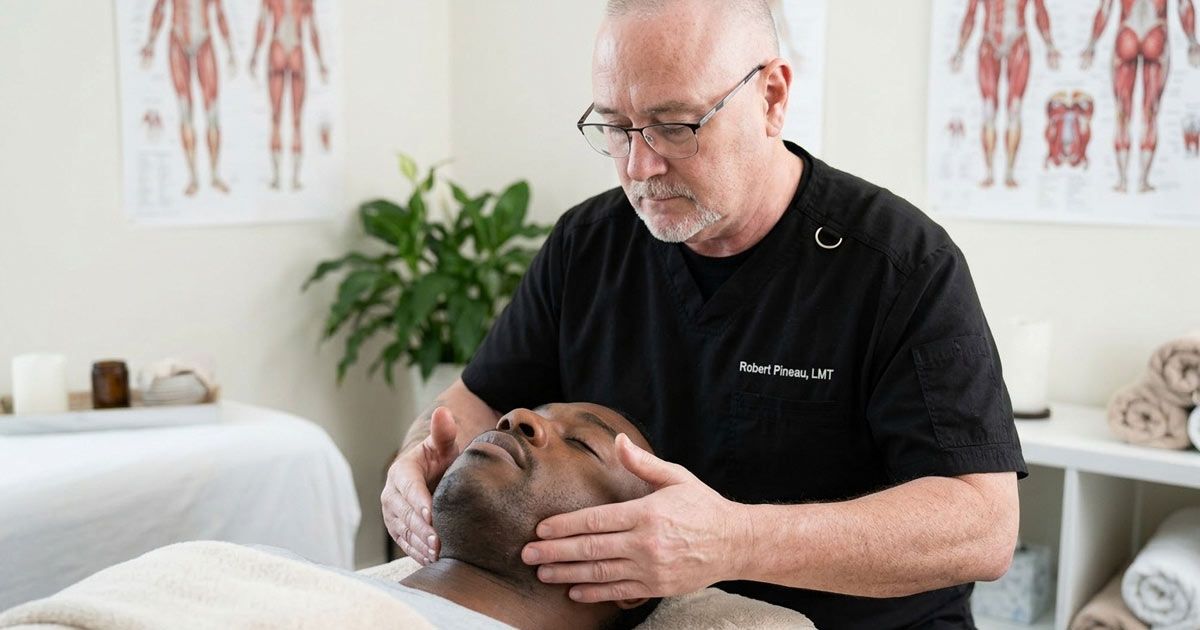
I understand how frustrating TMJ and jaw pain can be, especially when it affects your ability to speak, chew, sleep, or simply get through the day without discomfort. I’m here to support the root cause of your symptoms with focused, patient‑centered massage therapy, backed by advanced training that places me in the Top 1% of all Licensed Massage Therapists.
-Robert Pineau, LMT
TMJ Dysfunction and Jaw Pain Massage by Robert Pineau, LMT – Serving Patients with In‑Home Sessions or Treatments at My Massage Therapy Practice in Ronkonkoma, Suffolk County
What Is TMJ and Jaw Pain?
TMJ and jaw pain refer to discomfort involving the temporomandibular joint, the surrounding muscles, and the connective tissues that help the jaw open, close, and move side to side. These symptoms can develop gradually or appear suddenly after stress, injury, or repetitive strain. Many patients experience clicking, popping, or locking sensations that interfere with daily activities. TMJ discomfort can radiate into the face, neck, and head, creating a wider pattern of tension.
Some individuals notice that their symptoms worsen during stressful periods or after long hours of clenching or grinding. Jaw pain may also be linked to posture imbalances that place strain on the upper body. TMJ issues can affect sleep quality, digestion, and overall comfort. When these symptoms persist, they often require a supportive, hands‑on approach to help restore balance and ease.
Types of TMJ and Jaw Pain
TMJ and jaw pain can show up in several different ways, and understanding these variations helps patients recognize their own patterns. Each type may involve different muscles, stressors, or movement restrictions, but all can significantly affect quality of life. Below are the most common forms patients experience, each with its own characteristics and challenges.
- Muscular TMJ Pain — This type involves tension or overuse of the jaw muscles, often caused by clenching, grinding, or stress. Patients may feel tightness along the cheeks, temples, or jawline, especially during chewing or speaking.
- Joint‑Related TMJ Pain — This form affects the temporomandibular joint itself, sometimes involving clicking, popping, or locking. Patients may notice limited range of motion or discomfort when opening the mouth wide.
- Inflammatory TMJ Pain — Inflammation around the joint or surrounding tissues can create swelling, heat, and tenderness. This type often worsens with repetitive movement or prolonged talking.
- Postural TMJ Pain — Forward‑head posture or upper‑body imbalances can place strain on the jaw and neck. Patients may feel discomfort that radiates from the jaw into the shoulders or upper back.
- Stress‑Induced TMJ Pain — Emotional or physical stress can lead to clenching, grinding, or holding tension in the jaw. Patients often notice symptoms during high‑stress periods or upon waking.
This range of TMJ and jaw pain types shows how interconnected the jaw is with the rest of the body. Many patients experience more than one type at the same time, which is why a comprehensive, hands‑on approach can be so supportive. Understanding these variations helps guide the most effective massage therapy plan for each patient.
Common Causes of TMJ and Jaw Pain
TMJ and jaw pain can develop from a combination of muscular tension, joint strain, and lifestyle habits. Stress is one of the most common contributors, often leading to clenching or grinding that overworks the jaw muscles. Poor posture, especially forward‑head positioning, can place additional strain on the jaw and neck. Repetitive chewing, gum use, or talking for long periods may also aggravate symptoms.
Some patients experience discomfort after dental procedures that require prolonged mouth opening. Injuries to the face, neck, or jaw can create lingering tension or misalignment. Sleep habits, such as resting on one side or stomach sleeping, may worsen symptoms. Over time, these factors can create a cycle of tension that affects daily comfort and jaw function.
Common TMJ and Jaw Pain Symptoms
TMJ and jaw pain can show up in many ways, and patients often experience symptoms that extend beyond the jaw itself. These symptoms may vary in intensity and frequency, but they all impact daily comfort and function. Understanding these patterns helps patients recognize when supportive care may be beneficial.
- Jaw Tightness or Stiffness — Patients may feel difficulty opening or closing the mouth fully. This stiffness can worsen in the morning or after long periods of talking.
- Clicking or Popping Sounds — The jaw may make noises during movement, especially when chewing or yawning. These sounds can be accompanied by discomfort or a sense of instability.
- Facial Pain or Tenderness — Discomfort may radiate into the cheeks, temples, or around the eyes. This tenderness often increases with chewing or clenching.
- Headaches or Migraines — TMJ tension can contribute to frequent headaches, especially around the temples or forehead. These headaches may worsen during stress or after jaw overuse.
- Ear Pain or Fullness — Patients may feel pressure, ringing, or aching near the ears. This occurs because the jaw joint sits close to the ear canal.
These symptoms highlight how interconnected the jaw is with the head, neck, and facial muscles. Many patients experience multiple symptoms at once, which can significantly affect daily activities. Recognizing these patterns helps guide supportive massage therapy that addresses the underlying tension.
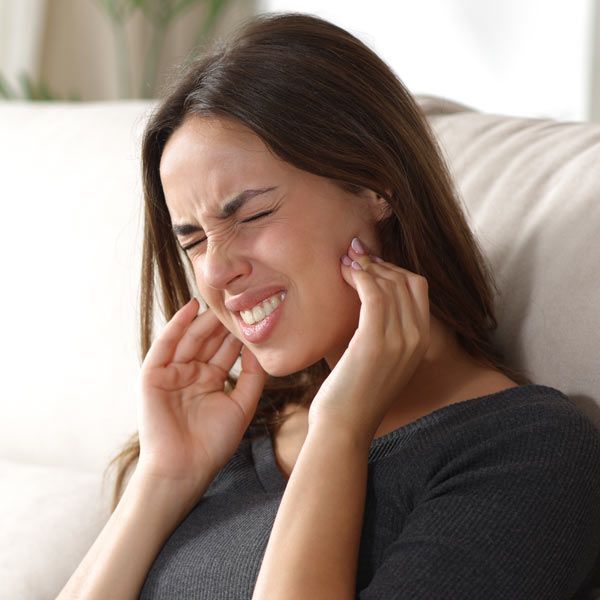
Candidates for TMJ and Jaw Pain Massage Therapy by Robert Pineau, LMT
Patients who experience persistent jaw tension, clicking, or discomfort during chewing may benefit from TMJ and jaw pain massage therapy. Individuals who clench or grind their teeth, especially during sleep, often find relief through targeted soft‑tissue work. Those with headaches or facial tension that radiates from the jaw may also be strong candidates. Patients recovering from dental procedures or orthodontic adjustments may experience lingering tightness that responds well to massage.
Individuals with stress‑related jaw tension often notice improvements when the surrounding muscles are supported. People with posture‑related discomfort that affects the jaw may also benefit from a comprehensive approach. Patients who feel limited jaw mobility or stiffness during daily activities may find greater ease with focused care. Anyone seeking a non‑invasive, hands‑on method to support jaw comfort and function may be a good fit for this type of massage therapy.
Related Medical Conditions That Can Be Supported
TMJ and jaw pain often overlap with other conditions that affect the head, neck, and upper body. These related issues can contribute to discomfort or make symptoms more persistent. Understanding these connections helps patients recognize how massage therapy may support their overall comfort.
- Bruxism (Teeth Grinding) — This condition places significant strain on the jaw muscles and joint. Patients often wake with soreness or tightness that benefits from targeted soft‑tissue work.
- Chronic Headaches — Tension in the jaw can contribute to recurring headaches or migraines. Supporting the surrounding muscles may help reduce the frequency or intensity of these episodes.
- Neck Pain — Postural imbalances or muscle tension in the neck can affect jaw alignment. Addressing both areas can help restore balance and ease discomfort.
- Sinus Pressure — Facial tension can worsen sinus discomfort or create a sense of fullness. Gentle massage may help improve circulation and ease pressure.
These related conditions show how interconnected the jaw is with the rest of the upper body. Supporting these areas can help patients experience more comprehensive relief and improved daily comfort.
What Massage Therapy Modalities May Be Used for TMJ and Jaw Pain
TMJ and jaw pain often respond well to gentle, precise massage therapy techniques that address both muscular tension and joint strain. These modalities are selected based on each patient’s symptoms, comfort level, and overall goals. The focus is always on restoring ease, improving mobility, and reducing the patterns that contribute to discomfort.
- CranioSacral Massage — This gentle modality supports the subtle rhythms of the head, neck, and spine. It helps reduce tension around the jaw and encourages deep relaxation.
- Myofascial Release — This technique targets the connective tissues that influence jaw movement. It helps soften restrictions and improve mobility in the surrounding muscles.
- Trigger Point Therapy — Focused pressure is applied to specific points that refer pain into the jaw, face, or head. This approach helps reduce tightness and restore balanced muscle function.
These modalities work together to support the jaw, neck, and facial muscles in a comprehensive way. Many patients experience improvements in comfort, mobility, and overall ease when these techniques are combined thoughtfully. The goal is always to support the root cause of symptoms and help patients feel more balanced throughout their daily activities.
What Can Happen if TMJ and Jaw Pain Are Left Unaddressed?
When TMJ and jaw pain persist without supportive care, symptoms may gradually worsen or become more frequent. Patients may experience increased difficulty chewing or speaking comfortably. Headaches or facial tension may become more common, affecting daily productivity and rest. Clenching or grinding may intensify, especially during stressful periods. Jaw mobility may decrease, making it harder to open the mouth fully. Postural imbalances may develop as the body compensates for discomfort. Sleep quality may decline due to nighttime tension or discomfort. Over time, these patterns can significantly impact overall well‑being and quality of life.
Jaw Pain Patient Case Study
Marissa, a 42‑year‑old woman, began experiencing jaw tightness and frequent headaches after a stressful period at work. She noticed that her jaw clicked when she opened her mouth and often felt soreness upon waking. After trying self‑care at home without improvement, she scheduled an in‑home session to explore supportive massage therapy. During her first visit, she shared that the discomfort was affecting her ability to eat comfortably and concentrate throughout the day. I identified significant tension in her jaw, temples, and upper neck. Over several sessions, we focused on CranioSacral Massage, Myofascial Release, and Trigger Point Therapy to address the interconnected areas of strain.
Marissa reported gradual improvements in her jaw mobility and a noticeable reduction in headaches. She also became more aware of her clenching habits and learned strategies to reduce tension. By her sixth session, she felt more balanced and comfortable during daily activities. She expressed relief that she could finally enjoy meals without discomfort. Her progress demonstrated how targeted massage therapy can support both the jaw and surrounding structures. Marissa continues to schedule maintenance sessions to help manage stress and maintain her improvements.
Why Patients Choose Robert Pineau, LMT for TMJ and Jaw Pain Massage Therapy
Patients choose my practice because they value a supportive, patient‑centered approach that focuses on the root cause of their discomfort. My advanced training places me in the Top 1% of all Licensed Massage Therapists, allowing me to provide highly specialized care for TMJ and jaw pain. I take the time to understand each patient’s unique symptoms and daily challenges. My sessions are designed to be both therapeutic and deeply relaxing.
Patients appreciate the option of in‑home sessions or visits to my Ronkonkoma practice. Many individuals find comfort in knowing they are receiving care tailored specifically to their needs. I prioritize clear communication and a calm, supportive environment. My goal is always to help patients feel more comfortable, balanced, and confident in their daily lives.
TMJ and Jaw Pain FAQs
- Can TMJ and jaw pain be connected to stress even if I don’t notice clenching? - Yes, many patients hold tension in the jaw without realizing it, especially during sleep or stressful periods.
- Is it normal for TMJ symptoms to affect only one side of the face? - Yes, many patients experience one‑sided discomfort due to muscle imbalances or dominant chewing patterns.
- Can posture really influence jaw pain? - Absolutely—forward‑head posture can place strain on the jaw and neck, contributing to TMJ symptoms.
- How soon do patients typically notice improvements? - Some patients feel relief after the first session, while others notice gradual improvements over several visits.
- Can massage therapy support jaw mobility issues like locking or stiffness? - Yes, gentle soft‑tissue work can help ease restrictions and support more comfortable movement.

Contact Robert Pineau, LMT for a Free TMJ and Jaw Pain Massage Therapy Consultation in Ronkonkoma, Suffolk County
TMJ and jaw pain can affect every part of daily life, from eating and speaking to sleeping and managing stress. Supportive massage therapy can help ease tension, improve mobility, and restore comfort. If you’re ready to explore a patient‑centered approach that focuses on the root cause of your symptoms, I’m here to help.
Please contact us today.
Additional References
- Temporomandibular Disorders - U.S. National Library of Medicine (MedlinePlus)
- Understanding Temporomandibular Disorders (TMD) - U.S. Department of Veterans Affairs, Veterans health Library