Massage Modalities in Suffolk County by Robert Pineau LMT
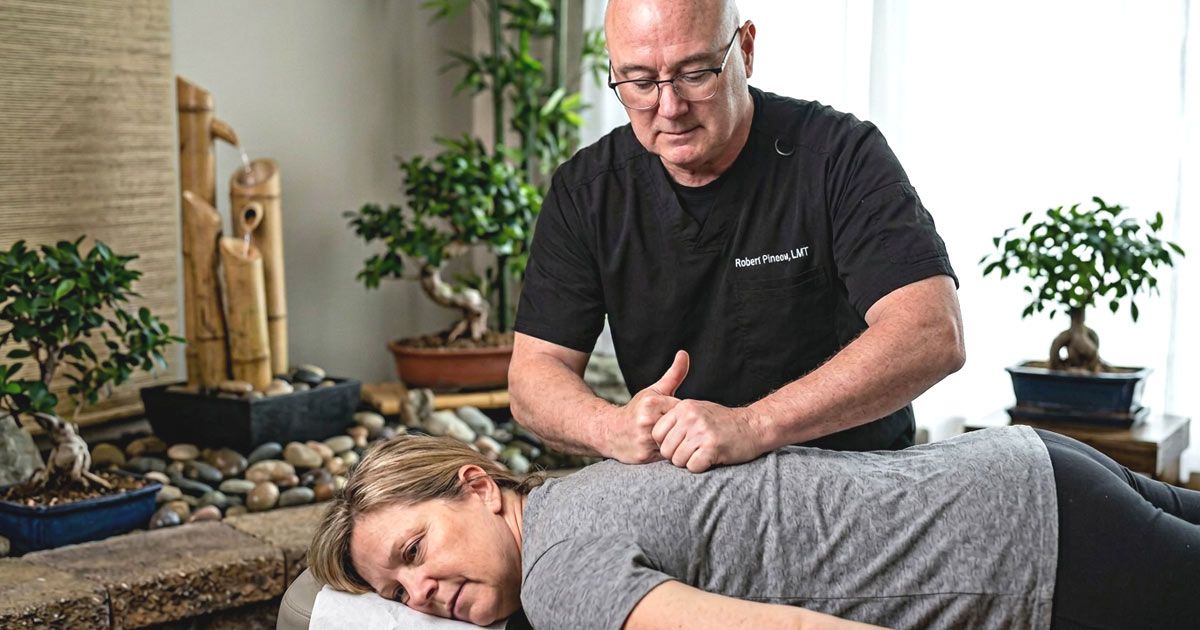
“Every modality I practice comes from years of advanced, hands‑on training that goes far beyond what most licensed massage therapists ever pursue. My goal is to use that deeper education to give each patient care that is more precise, more effective, and truly tailored to what their body needs.”
-Robert Pineau, LMT
Therapeutic Massage Modalities by Massage Therapist Robert Pineau. Serving Patients with In‑Home Sessions or Treatments at My Massage Therapy Practice in Ronkonkoma, Suffolk County
What is Therapeutic Massage?
Therapeutic massage is a hands‑on approach that focuses on relieving pain, reducing tension, and improving overall mobility. It uses targeted pressure, stretching, and soft‑tissue techniques to address specific areas of discomfort. Therapeutic massage is different from spa massage because the goal is functional improvement rather than simple relaxation. Each session is customized to the patient’s needs, whether they are dealing with chronic pain, stress, or limited range of motion.
Robert Pineau, a leading Suffolk County Licensed Massage Therapist, uses evidence‑informed techniques to help patients feel better and move more comfortably. This type of massage supports circulation, reduces muscle adhesions, and encourages the body’s natural healing processes. Many patients choose therapeutic massage to manage long‑term conditions such as back pain, neck stiffness, or tension headaches. Sessions can be gentle or deep depending on what the body needs that day.
Therapeutic massage is also beneficial for people recovering from physical strain, repetitive stress, or postural imbalances. Robert Pineau ensures each session is designed to provide meaningful relief and support long‑term wellness.
Robert Pineau's Massage Modality Treatments
Robert may use one or a combination of therapeutic massage techniques to support your comfort, ease your symptoms, and help you move toward better health. He takes the time to understand what your body is experiencing so each session feels personalized, thoughtful, and genuinely supportive. Every modality is chosen with care, based on what will help you feel relief, restore balance, and make meaningful progress. Use the links below to explore each modality and learn how these therapeutic approaches can benefit your overall well‑being.
Acupressure Massage
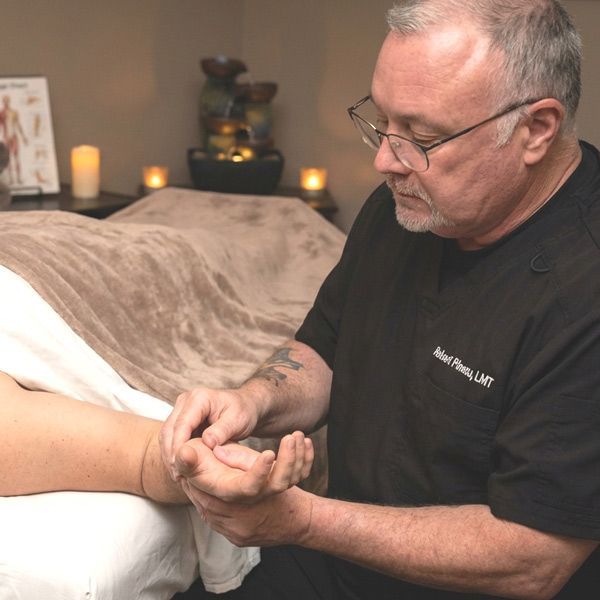
Acupressure is a hands‑on technique that uses gentle, focused pressure on specific points of the body to encourage natural balance and relief. It is based on the idea that certain points along the body’s pathways can influence tension, circulation, and overall well‑being. During a session, the pressure is applied with the fingers, palms, or elbows rather than needles, making it a comfortable option for most people.
Acupressure can help ease stress, reduce muscle tightness, and support relaxation throughout the entire body. Many people find it helpful for headaches, neck tension, back discomfort, and general fatigue. It is also commonly used to support emotional balance by calming the nervous system. Some patients notice improved sleep, better digestion, and a greater sense of grounding after regular sessions.
Acupressure is gentle enough for those who prefer a lighter approach but still want meaningful therapeutic benefits. It is a good option for individuals who are sensitive to deep pressure or who want a non‑invasive method of relief. People dealing with chronic stress, tension patterns, or energy imbalances often respond especially well to this modality. It can also be helpful for those who want to complement other therapeutic massage techniques.
Overall, acupressure offers a soothing, supportive way to help the body release tension and restore a natural sense of ease.
Amatsu Massage
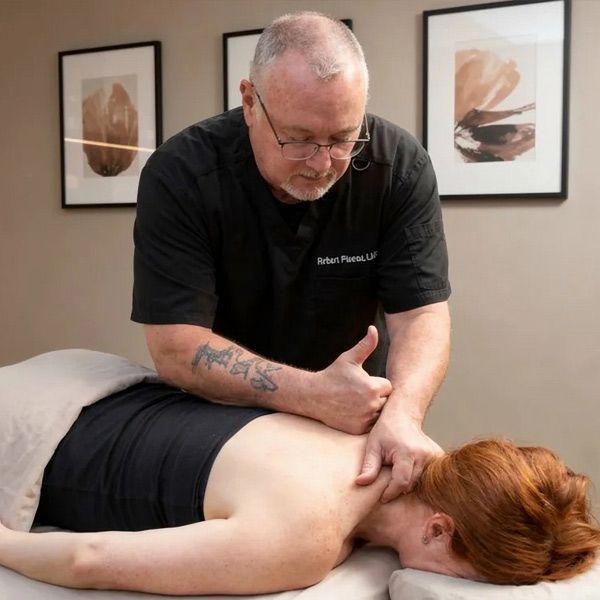
Amatsu is a gentle, whole‑body therapy that focuses on restoring natural balance through soft‑tissue work, joint alignment, and subtle movement techniques. It is based on traditional Japanese principles that view the body as an interconnected system rather than isolated parts.
During an Amatsu session, the goal is to release tension, improve structural alignment, and support the body’s ability to heal itself. Many people find it helpful for chronic pain, postural imbalances, and long‑standing tension patterns. It can also support recovery from injuries by improving mobility and reducing strain on overworked muscles. Amatsu works with the body’s natural rhythms, making it a calming and grounding experience for many patients.
Some individuals notice improvements in flexibility, stability, and overall ease of movement after regular sessions. It is gentle enough for those who prefer a non‑invasive approach but still want meaningful therapeutic results. People dealing with stress, fatigue, or persistent discomfort often respond well to this modality. It is also a good option for those who have tried other therapies without lasting relief. Amatsu can complement other forms of massage and bodywork by addressing deeper patterns of imbalance.
Overall, it offers a supportive and holistic way to help the body return to a more natural state of comfort and alignment.
Aromatherapy Massage
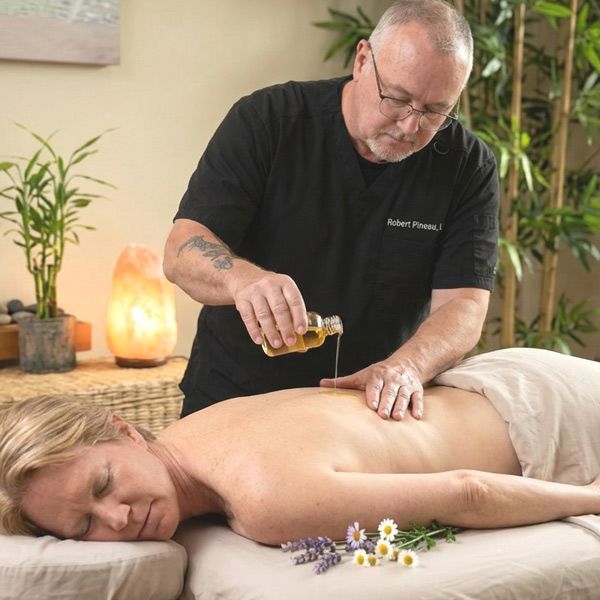
Aromatherapy is a gentle therapeutic approach that uses natural essential oils to support relaxation, balance, and overall well‑being. Each oil has unique properties that can influence mood, ease tension, and encourage the body to unwind. During a session, the scents are either diffused into the air or applied topically in a diluted form to enhance the massage experience.
Many people find aromatherapy helpful for stress relief, emotional grounding, and calming an overactive mind. It can also support better sleep, reduce feelings of anxiety, and promote a deeper sense of comfort. Some essential oils are known for easing headaches, soothing muscle tension, or helping with respiratory discomfort. Patients often notice that the gentle aromas help them settle more quickly into a relaxed state.
Aromatherapy is a wonderful option for those who want a natural, non‑invasive way to support emotional and physical wellness. It is especially helpful for individuals who carry stress in their body or struggle to quiet their thoughts. People who are sensitive to deep pressure often appreciate how aromatherapy enhances the therapeutic benefits without adding intensity. It can also complement other massage techniques by creating a more calming and restorative environment.
Overall, aromatherapy offers a simple yet powerful way to support relaxation and help the body return to a more peaceful state.
Asian Massage
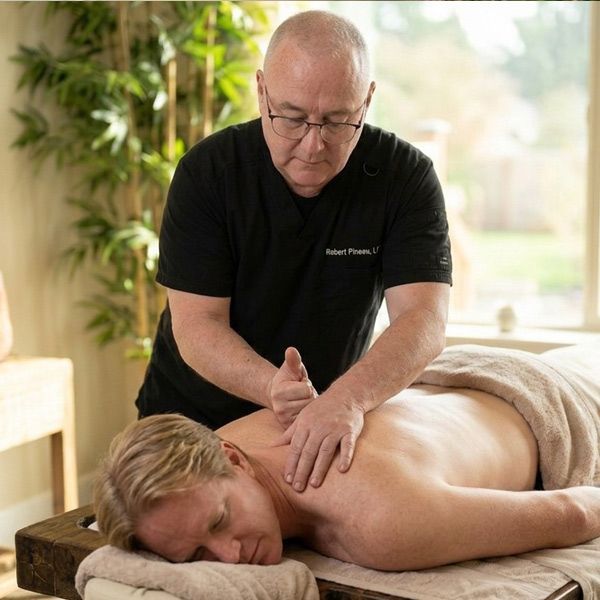
Asian massage is a broad term that refers to traditional bodywork techniques developed across various Asian healing systems. These methods often focus on restoring balance, improving energy flow, and supporting the body’s natural ability to heal. Sessions may include stretching, rhythmic pressure, or gentle movement to release tension and improve circulation.
Many people find Asian massage helpful for reducing stress, easing muscle tightness, and promoting a deep sense of relaxation. It can also support better flexibility and help relieve discomfort caused by long hours of sitting or repetitive strain. Some patients notice improved energy levels and a greater sense of overall well‑being after regular sessions. Asian massage is adaptable, making it suitable for those who prefer either gentle or more invigorating techniques. It is a good option for individuals who want a holistic approach that addresses both physical and energetic imbalances.
People dealing with chronic tension, fatigue, or stress‑related symptoms often respond especially well to this modality. It can also complement other therapeutic techniques by helping the body release deeper patterns of tightness. Many patients appreciate how grounded and centered they feel after a session.
Overall, Asian massage offers a time‑tested, restorative way to support both physical comfort and emotional balance.
Ayurvedic Massage
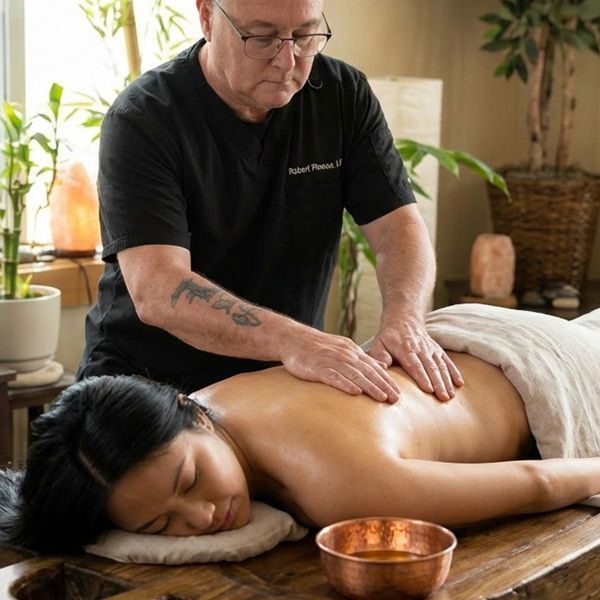
Ayurvedic massage is a traditional healing practice from India that focuses on restoring balance within the body through warm oils and rhythmic, flowing techniques. It is rooted in Ayurveda, a holistic system that views health as a harmony between the mind, body, and spirit. During a session, warm herbal oils are applied generously to nourish the skin, calm the nervous system, and support overall relaxation.
Many people find Ayurvedic massage helpful for reducing stress, easing muscle tension, and improving circulation. It can also support better sleep, enhance digestion, and promote a deeper sense of grounding. The warm oils help soothe the body while the gentle, continuous strokes encourage the release of stored tension. Patients often describe feeling both relaxed and rejuvenated after a session.
Ayurvedic massage is ideal for individuals who feel overwhelmed, depleted, or out of balance. It is also a good option for those who prefer a nurturing, gentle approach rather than deep pressure. People dealing with chronic stress, fatigue, or emotional heaviness often respond especially well to this modality. It can complement other therapeutic techniques by supporting the body’s natural healing processes.
Overall, Ayurvedic massage offers a deeply calming and restorative experience that helps bring the body back to a state of harmony and ease.
CranioSacral Massage
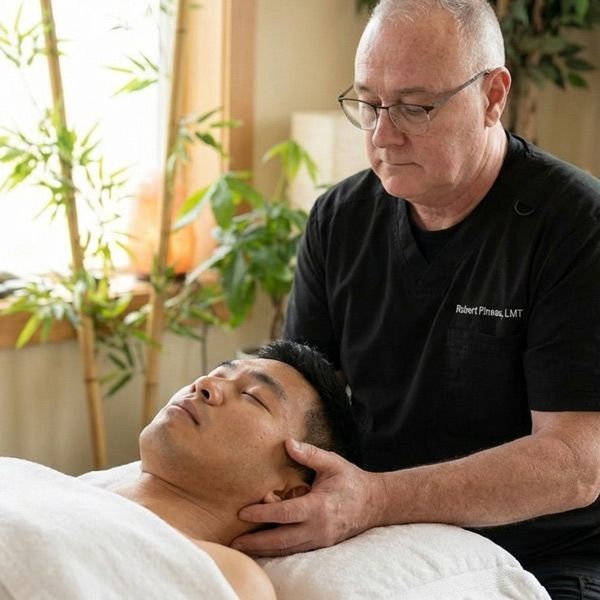
CranioSacral Therapy is a gentle, hands‑on technique that focuses on releasing tension in the tissues surrounding the brain and spinal cord. It works with the body’s natural rhythms to encourage deep relaxation and restore balance to the nervous system. During a session, light touch is used to ease restrictions in the head, neck, spine, and sacrum. Many people find CranioSacral Therapy helpful for headaches, migraines, neck tension, and chronic stress. It can also support individuals dealing with TMJ discomfort, sinus pressure, or lingering tension from past injuries.
Patients often notice a calming, grounding effect that helps quiet the mind and ease physical strain. Because the pressure is extremely light, this modality is ideal for those who are sensitive to deeper forms of bodywork. It is also a good option for individuals who experience nervous system overload or have difficulty relaxing. People dealing with emotional stress, sleep disturbances, or long‑standing tension patterns often respond especially well. Some patients report improved clarity, better sleep, and a greater sense of overall ease after regular sessions. CranioSacral Therapy can complement other therapeutic techniques by addressing deeper layers of tension that traditional massage may not reach.
Overall, it offers a soothing, restorative approach that helps the body unwind and return to a more balanced state.
Deep Tissue Massage
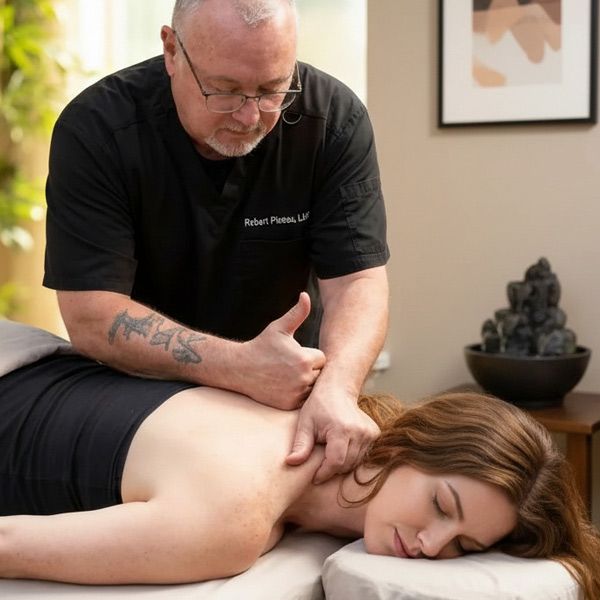
Deep Tissue Massage is a focused therapeutic technique that works on the deeper layers of muscle and connective tissue to relieve long‑standing tension. It uses slow, deliberate pressure to reach areas that feel tight, knotted, or restricted. Robert chooses Deep Tissue Massage when a patient is dealing with chronic pain, stiffness, or limited mobility.
Patients often notice relief in areas affected by repetitive strain, poor posture, or old injuries. Deep tissue massage can also support recovery for athletes or anyone who regularly pushes their body physically. While the pressure is firm, the goal is always to work within the patient’s comfort level. It is a good option for individuals who prefer a more targeted, results‑oriented approach.
People dealing with back pain, neck tension, or tight hips often respond especially well to this technique. Some patients experience improved flexibility and a greater sense of ease after regular sessions. Deep tissue massage can also complement other therapeutic modalities by addressing deeper layers of muscular imbalance.
Overall, it offers a powerful way to release tension and support long‑term physical well‑being.
Integrated Manual Therapy
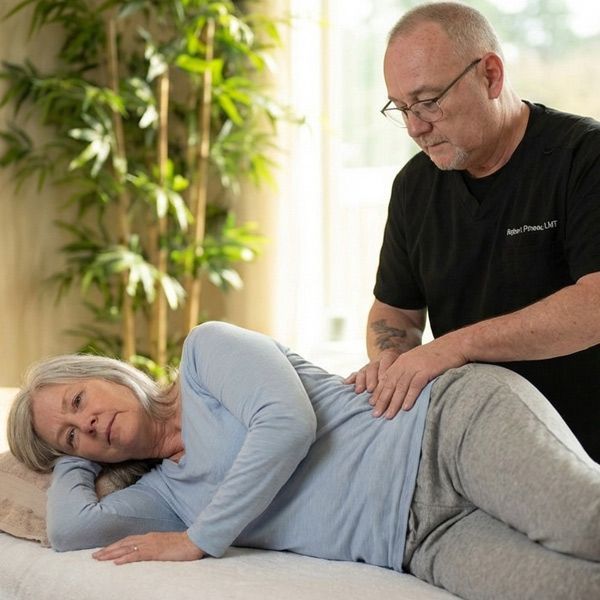
Integrated Manual Therapy is an advanced, clinically focused approach that blends orthopedic assessment with precise soft‑tissue techniques to correct structural imbalances throughout the body. Robert uses this method to identify the underlying patterns contributing to a patient’s pain, limited mobility, or postural dysfunction.
The work is gentle, targeted, and highly effective, combining elements of myofascial release, neuromuscular therapy, stretching, and joint mobilization to restore proper alignment and movement. This approach is especially helpful for patients dealing with chronic shoulder issues, hip restrictions, low‑back pain, nerve entrapments, and long‑standing muscular imbalances.
Overall, Integrated Manual Therapy supports long‑term structural health, improved function, and meaningful relief.
Lymphatic Drainage Massage
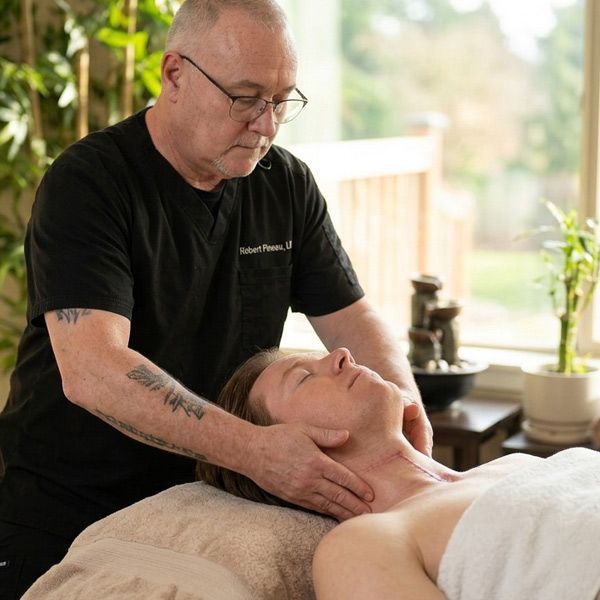
Lymphatic Drainage Massage is a gentle, rhythmic technique designed to support the body’s natural lymphatic system and encourage healthy fluid movement. It uses light, precise strokes to reduce swelling, ease discomfort, and promote overall relaxation. Robert often recommends this modality when patients are dealing with inflammation, sluggish circulation, or a feeling of heaviness in the body. It is especially well‑known as a supportive therapy during post‑surgery recovery because it helps minimize swelling and encourages faster healing.
Patients often seek lymphatic drainage after procedures such as liposuction, tummy tucks, breast augmentation, facelifts, and other cosmetic or medical surgeries. This technique can also be helpful for individuals managing chronic swelling, sinus congestion, or immune‑related concerns. Because the pressure is extremely light, it is suitable for those who are sensitive to deeper forms of massage. People recovering from surgery often appreciate how soothing and non‑invasive the work feels during a time when their body is tender.
Many patients notice improved comfort, reduced puffiness, and a greater sense of ease after regular sessions. Lymphatic drainage can also support detoxification by helping the body move stagnant fluids more efficiently. It pairs well with other therapeutic modalities by preparing the tissues for deeper work when appropriate.
Overall, this gentle approach offers a calming, restorative way to support healing and help the body return to balance.
Learn more about
Lymphatic Drainage Massage Therapy.
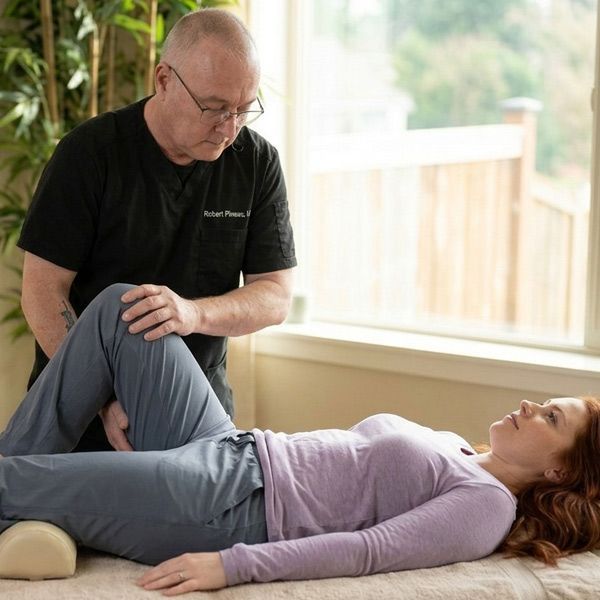
Medical Massage
Medical massage is a targeted, outcome‑based approach used to address specific conditions diagnosed by a healthcare provider. Robert uses this method to focus on the structures contributing to a patient’s pain, limited mobility, or functional imbalance. The work is precise and clinically informed, blending techniques such as deep tissue, myofascial release, neuromuscular therapy, and corrective soft‑tissue methods to support the body’s healing process.
This approach is especially helpful for patients recovering from surgery, managing chronic musculoskeletal pain, or experiencing nerve entrapment and movement restrictions. Because it is goal‑oriented, Robert adjusts the techniques he uses as the patient progresses, ensuring each session supports measurable improvement.
Overall, medical massage provides a focused, therapeutic pathway to improved function and meaningful relief.
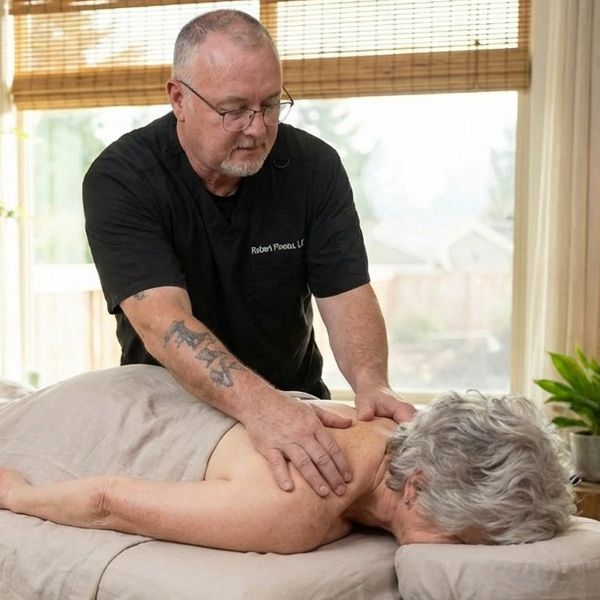
Myofascial Release
Myofascial Release is a gentle, hands‑on technique that focuses on easing tension in the fascia, the connective tissue that surrounds and supports every muscle in the body. When the fascia becomes tight or restricted, it can create pain, limit movement, and contribute to long‑standing discomfort. During a session, slow, sustained pressure is applied to help soften these restrictions and restore natural mobility. Robert uses Myofascial Release when he sees that a patient is experiencing chronic pain, postural imbalances, or areas that feel tight or ‘stuck.’
Patients often notice that the work feels subtle yet deeply effective as the body gradually unwinds. Because the pressure is gentle and sustained, it is suitable for individuals who are sensitive to deeper forms of massage. People who have tried traditional massage without lasting relief often respond well to this approach. Myofascial Release can also help improve flexibility, reduce stress, and support more balanced movement patterns. Some patients experience a sense of lightness or increased ease after regular sessions. It pairs well with other therapeutic techniques by addressing the underlying connective‑tissue restrictions that contribute to pain.
Overall, Myofascial Release offers a calming, restorative way to help the body move more freely and comfortably.
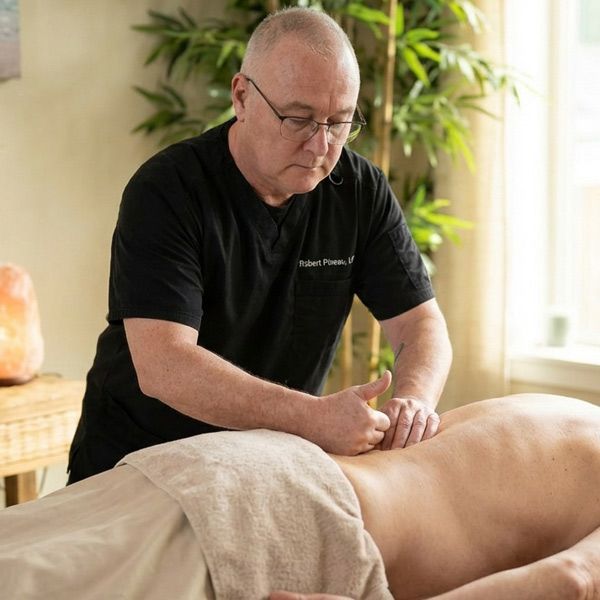
Neuromuscular Therapy
Neuromuscular Therapy is a targeted therapeutic technique that focuses on releasing tight muscles, trigger points, and nerve compression patterns that contribute to chronic pain. It uses precise pressure and slow, controlled strokes to address areas where muscles and nerves are under strain. Robert chooses Neuromuscular Massage when a patient is dealing with persistent discomfort that hasn’t improved with general massage.
Neuromuscular work can help reduce pain caused by postural imbalances, repetitive movements, or long‑standing tension patterns. It is especially helpful for conditions such as sciatica, low‑back pain, neck stiffness, and shoulder issues. Patients often notice that the focused pressure helps release deep knots and restore more natural movement. Because the work is specific and intentional, it can be adjusted to each patient’s comfort level. It is a good option for individuals who want a results‑oriented approach that addresses the root cause of their discomfort.
Patients who experience nerve irritation or muscle tightness from stress often respond especially well to this technique. Some notice improved mobility, reduced pain, and better overall function after regular sessions. Neuromuscular Massage can also complement other therapeutic modalities by addressing deeper muscular and neurological patterns.
Overall, Neuromuscular Massage offers a powerful, restorative way to help patients move with greater ease and comfort.
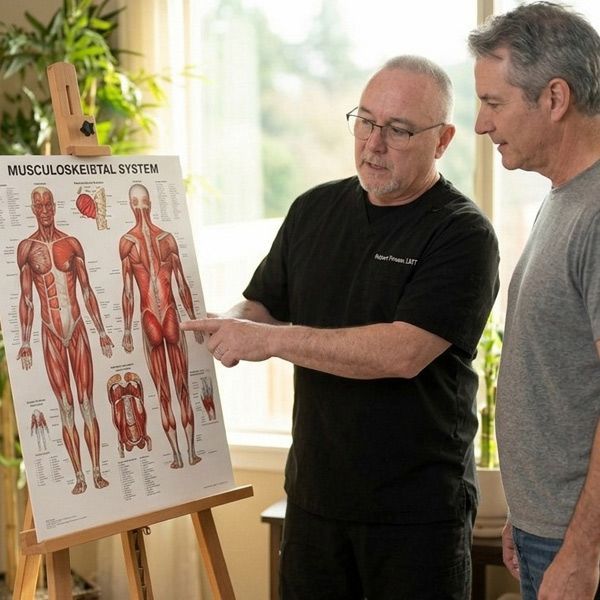
Orthopedic Assessment and Corrective Techniques
Orthopedic Assessment and Corrective Techniques allow Robert to identify the specific structures contributing to a patient’s pain or movement limitations. Through targeted evaluation of muscles, joints, and soft tissues, he determines which patterns need to be addressed to restore proper function.
Once the source of the issue is identified, Robert applies corrective methods such as joint mobilization, soft‑tissue release, stretching, and neuromuscular techniques to reduce pain and improve mobility. This approach is especially effective for patients dealing with shoulder dysfunction, hip restrictions, nerve entrapments, and chronic musculoskeletal imbalances.
Overall, Orthopedic Assessment and Corrective Techniques provide a precise, clinically informed pathway to improved movement and long‑term relief.
Positional Release
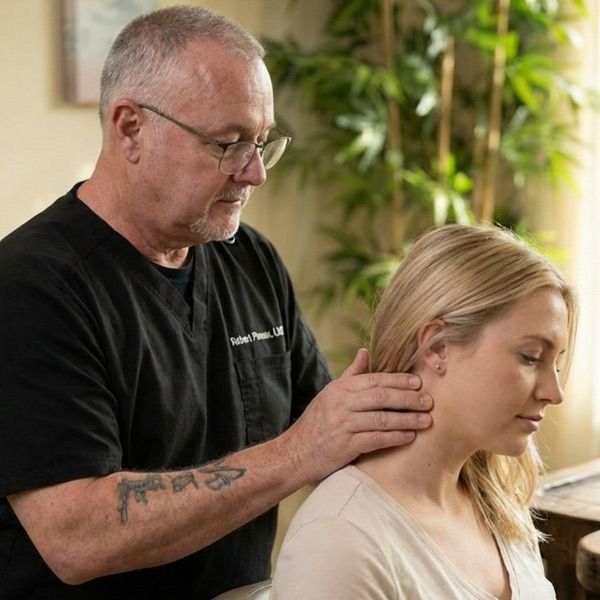
Positional Release is a gentle therapeutic technique that works by placing the body in comfortable, supported positions to help tight muscles naturally relax. It focuses on reducing pain and tension by easing the strain on irritated tissues and calming the nervous system. During a session, the therapist identifies tender points and then adjusts the patient’s position until the discomfort noticeably decreases. This allows the body to reset and release long‑held tension without the need for deep pressure.
Robert uses Positional Release when a patient is experiencing acute pain, muscle spasms, or sensitivity that makes traditional massage uncomfortable. It is especially beneficial for individuals recovering from injuries or dealing with chronic tightness. Patients often notice that the technique feels soothing, gentle, and surprisingly effective. Because it relies on comfort rather than intensity, it is ideal for those who are sensitive to touch or experiencing inflammation.
People with neck pain, low‑back discomfort, or repetitive‑strain issues often respond well to this approach. Some patients experience improved mobility and reduced pain after just a few sessions. Positional Release can also complement other therapeutic modalities by preparing the body for deeper work when appropriate.
Overall, Positional Release offers a calming, restorative way to help the body unwind and return to a more balanced, pain‑free state.
Shiatsu Massage
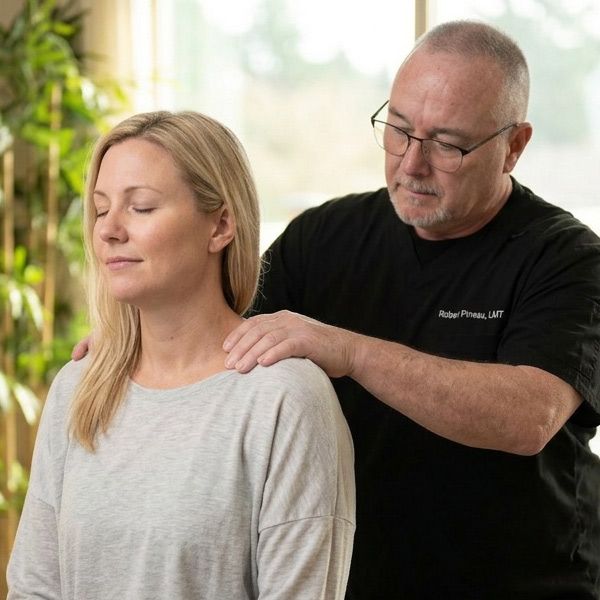
Shiatsu is a traditional Japanese healing technique that uses gentle pressure along the body’s energy pathways to support balance and overall well‑being. It is based on the idea that restoring healthy energy flow can help ease tension and improve physical and emotional harmony. During a session, the therapist uses palms, thumbs, and comfortable stretches to encourage relaxation and release areas of tightness.
Robert chooses Shiatsu when a patient needs support with stress relief, fatigue, or general muscle discomfort. It can also support better sleep, improved circulation, and a calmer nervous system. Patients often notice a grounding, centering effect that helps them feel more connected and at ease in their body. Because the pressure is rhythmic and steady, Shiatsu is suitable for those who prefer a gentle yet effective approach. It is a good option for individuals who feel overwhelmed, tense, or energetically depleted.
Patients dealing with headaches, neck tension, or digestive discomfort often respond especially well to this modality. Some experience improved flexibility and a greater sense of balance after regular sessions. Shiatsu can also complement other therapeutic techniques by supporting the body’s natural ability to regulate and heal.
Overall, Shiatsu Massage offers a soothing, holistic way to help patients feel more relaxed, aligned, and restored.
Sports Massage
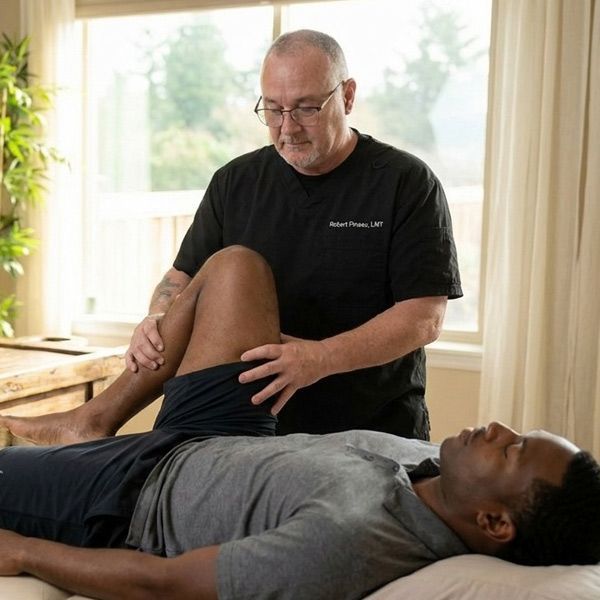
Sports Massage is a focused therapeutic approach designed to support active individuals by improving mobility, reducing tension, and enhancing overall performance. It uses a combination of deep pressure, stretching, and targeted techniques to address muscles that are overworked or stressed from physical activity. Robert chooses Sports Massage when a patient needs help preventing injuries, speeding recovery, or maintaining healthy movement patterns. It is especially helpful for those who experience tightness from repetitive training or strenuous workouts.
Patients often notice improved flexibility, reduced soreness, and better range of motion after sessions. This modality can also help break down adhesions and release trigger points that limit performance. Because the work is specific and intentional, it can be tailored to each patient’s sport, activity level, and goals. It is a good option for individuals preparing for events, recovering from intense exercise, or managing chronic athletic strain.
Patients dealing with hamstring tightness, shoulder tension, or hip restrictions often respond especially well. Some experience faster recovery times and improved body awareness with regular sessions. Sports Massage can also complement training programs by supporting balanced muscle function and reducing the risk of overuse injuries.
Overall, Sports Massage offers a powerful, performance‑focused way to help patients stay active, strong, and moving comfortably.
Structural Alignment and Postural Correction
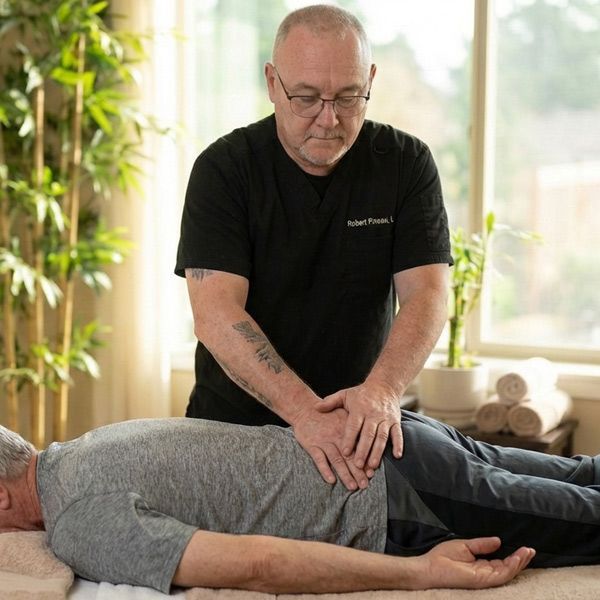
Structural Alignment and Postural Correction focuses on restoring balance throughout the body by addressing the muscular and fascial patterns that pull joints out of their optimal position. Robert evaluates how a patient stands, moves, and compensates, then applies the appropriate techniques to reduce strain and improve overall alignment.
This work helps relieve pain caused by uneven loading, repetitive stress, and long‑term postural habits. By improving alignment, the body can move more efficiently and with less discomfort. This approach is especially beneficial for patients experiencing neck tension, shoulder imbalance, hip rotation issues, and chronic low‑back strain.
Overall, Structural Alignment and Postural Correction helps patients move with greater ease, stability, and comfort.
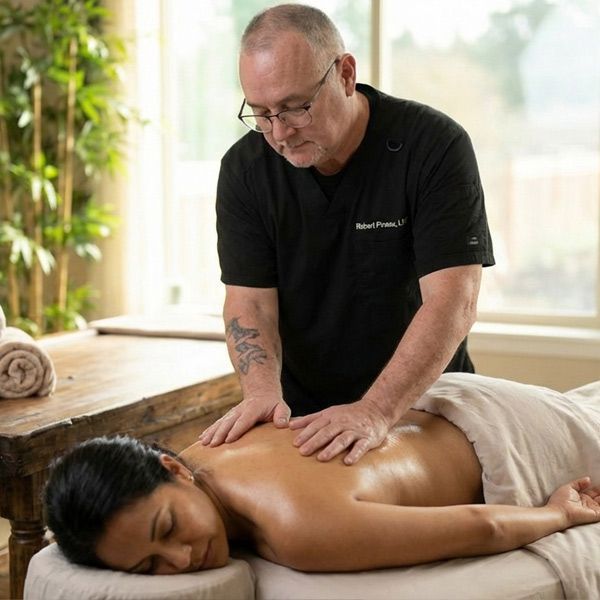
Swedish Massage
Swedish Massage is a gentle, flowing technique designed to promote relaxation, ease muscle tension, and support overall well‑being. It uses long strokes, light to moderate pressure, and soothing movements to calm the body and mind. Robert chooses Swedish Massage when a patient needs a relaxing experience that still provides therapeutic benefits. It can help reduce stress, improve circulation, and release general muscle tightness.
Patients often notice a sense of warmth and comfort as the muscles soften under the rhythmic strokes. This modality is especially helpful for individuals who feel overwhelmed, fatigued, or emotionally tense. Because the pressure is adjustable, it can be tailored to each patient’s comfort level. It is a great option for those who are new to massage or prefer a lighter, more nurturing approach.
Patients dealing with mild aches, stress‑related tension, or sleep difficulties often respond well to this technique. Some experience improved mood, better rest, and a greater sense of ease after regular sessions. Swedish Massage can also complement deeper therapeutic work by preparing the tissues for more focused techniques.
Overall, Swedish Massage offers a calming, restorative way to help patients relax deeply and feel more balanced throughout their day.
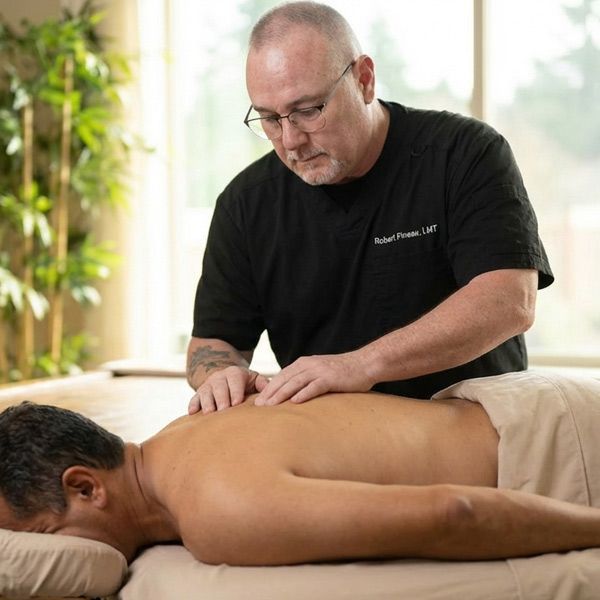
Total Body Balancing
Total Body Balancing is a gentle, whole‑body approach that focuses on restoring harmony between the musculoskeletal, fascial, cranial, and visceral systems. It uses light pressure, guided movements, and supportive positioning to help the body release tension and return to a more balanced state. Robert chooses Total Body Balancing when he sees that a patient feels out of alignment, stressed, or physically overwhelmed. It can help improve posture, ease muscle tightness, and support better overall mobility.
Patients often notice a calming, grounding effect as their body settles into more natural patterns of movement. This technique is especially helpful for individuals dealing with chronic tension, fatigue, or lingering discomfort from past injuries. Because the work is gentle and rhythmic, it is suitable for patients who prefer a non‑invasive approach. It is also a good option for those who experience sensitivity to deeper forms of bodywork.
Patients with stress‑related symptoms, general stiffness, or difficulty relaxing often respond well to this modality. Some experience improved circulation, better energy flow, and a greater sense of ease after regular sessions. Total Body Balancing can also complement other therapeutic techniques by preparing the body for deeper or more targeted work.
Overall, Total Body Balancing offers a soothing, integrative way to help patients feel more aligned, relaxed, and supported throughout their entire body.
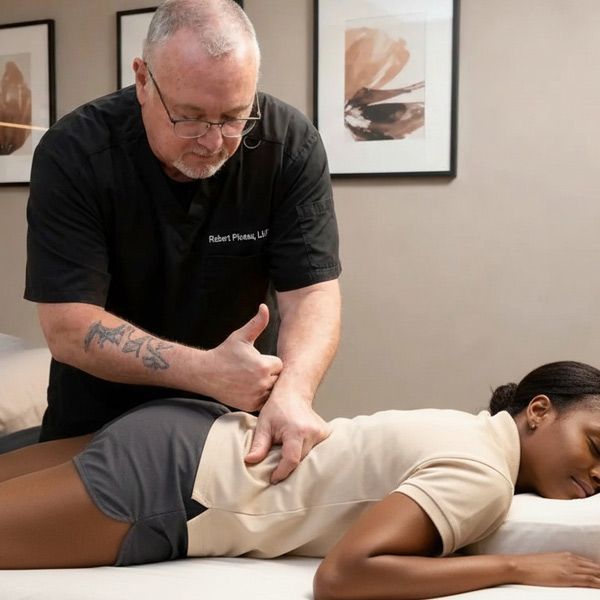
Trigger Point Therapy
Trigger Point Therapy is a focused technique that targets tight, sensitive points within the muscles that can cause pain and restricted movement. These points often develop from stress, overuse, or poor posture, and can create discomfort that radiates to other areas of the body. During a session, gentle pressure is applied to help release these knots and restore healthier muscle function.
Robert chooses this modality for patients when they experience chronic tension, headaches, or pain that seems difficult to pinpoint. It is especially helpful for individuals dealing with neck stiffness, shoulder tightness, or low‑back discomfort. Patients often notice that releasing trigger points helps improve mobility and reduce lingering soreness. Because the pressure can be adjusted, the technique is suitable for a wide range of comfort levels.
Trigger Point Therapy is a good option for those who want a targeted, results‑oriented approach to relieving muscular pain. Patients who sit for long hours, train intensely, or carry stress in their upper body often respond especially well. Some experience immediate relief, while others notice gradual improvement over several sessions. Trigger Point Therapy can also complement other modalities by addressing deeper muscular patterns that contribute to chronic tension.
Overall, Trigger Point Therapy offers an effective, focused way to help patients release stubborn knots and move with greater comfort and ease.
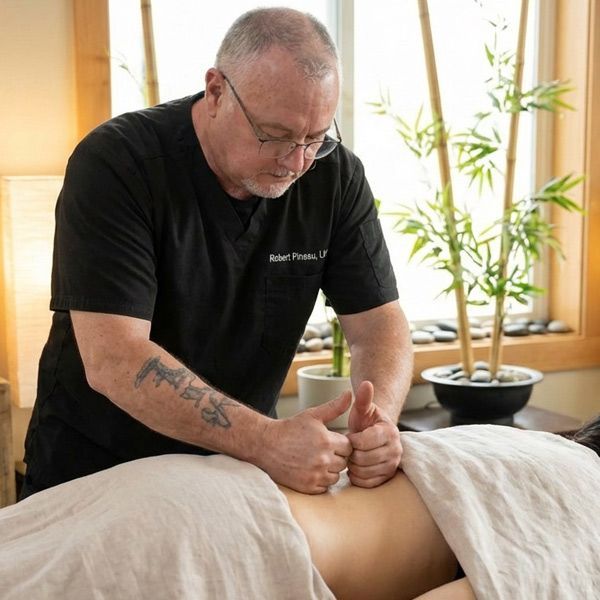
Tui-na Massage
Tui‑na is a traditional Chinese medical massage that uses rhythmic pressure, stretching, and mobilization techniques to restore balance and ease tension throughout the body. It focuses on improving the flow of energy and circulation while addressing areas of muscular tightness or discomfort.
Robert uses Tui‑na when a patient needs a therapeutic approach that blends massage with gentle movement. This modality can help reduce pain, improve joint mobility, and support overall physical harmony. Patients often notice a sense of relief as tight muscles begin to soften and restricted areas start to open. Tui‑na is especially helpful for individuals dealing with stiffness, chronic tension, or stress‑related discomfort.
Because the techniques can be adjusted in intensity, Robert tailors each session to match the patient’s comfort level and therapeutic needs. It is a good option for those who benefit from a more active, hands‑on style of bodywork. Patients with neck tension, back pain, or limited mobility often respond well to this approach. Some experience improved flexibility, better circulation, and a greater sense of ease after regular sessions. Tui‑na can also complement other therapeutic modalities by supporting the body’s natural ability to rebalance and heal.
Overall, Tui‑na offers a dynamic, restorative way to help patients feel more aligned, relaxed, and physically supported.
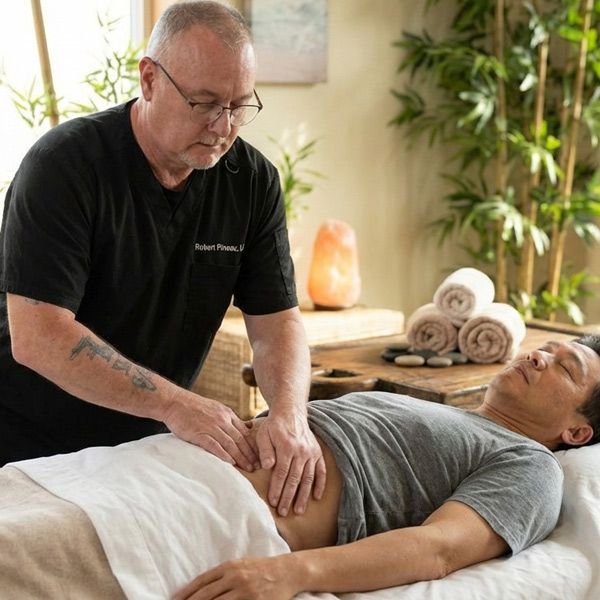
Visceral Manipulation
Visceral Manipulation is a gentle, hands‑on technique that focuses on releasing tension and improving mobility within the body’s internal organs and surrounding tissues. It works by addressing subtle restrictions that can develop around the abdomen, pelvis, and rib cage. Robert uses Visceral Manipulation when he sees that a patient’s discomfort may be influenced by deeper structural or organ‑related tension. This approach can help ease digestive discomfort, abdominal tightness, and postural imbalances linked to internal restrictions.
Patients often notice a sense of relief as the body begins to move more freely and naturally. The work is subtle, precise, and deeply calming to the nervous system. Visceral Manipulation is especially helpful for individuals dealing with chronic tension patterns that haven’t responded fully to traditional massage. Because the pressure is light and highly specific, Robert tailors each session to the patient’s comfort and therapeutic needs.
Visceral Manipulation is a good option for those experiencing lingering discomfort after surgery, injury, or long‑term stress. Some patients experience improved digestion, reduced pain, and better overall mobility after regular sessions. This modality can also complement other therapeutic techniques by addressing deeper layers of restriction that influence the whole body.
Overall, Visceral Manipulation offers a gentle, integrative way to help patients feel more balanced, comfortable, and supported from the inside out.
Massage therapy includes a wide range of hands‑on techniques designed to reduce pain, improve mobility, and support overall wellness. Each modality offers its own therapeutic benefits, allowing treatment to be tailored to the specific needs of the individual. Robert Pineau draws from this full spectrum of techniques to address the underlying causes of discomfort rather than just the symptoms. Some modalities focus on calming the nervous system and easing stress, while others work more deeply to release chronic tension and restore proper movement. Certain techniques help improve circulation and tissue health, supporting the body’s natural healing processes.
Other massage modalities target structural imbalances that contribute to pain or limited range of motion. Robert evaluates each person’s condition and selects the combination of modalities that will create the most meaningful change. His approach ensures that every session is purposeful, safe, and aligned with the client’s goals. By blending different therapeutic methods, he can address both immediate discomfort and long‑term patterns that affect daily life. This flexibility allows him to adapt treatment as the body responds and improves. Whether the issue is muscular tension, postural strain, or stress‑related discomfort, Robert uses these modalities to support lasting relief. His work reflects a commitment to helping clients feel better, move better, and function with greater ease.
Robert Pineau, Licensed Massage Therapist Qualification Process
Becoming a licensed massage therapist in New York State requires completing a rigorous, state‑approved educational program. Students must enroll in a New York State Education Department–registered massage therapy school that provides at least 1,000 hours of in‑person instruction. The curriculum includes anatomy, physiology, pathology, neurology, kinesiology, and hands‑on massage techniques. Clinical practice hours are also required so students can work directly with clients under supervision.
After completing the educational program, graduates must apply to sit for the New York State Massage Therapy Licensing Examination. This exam tests both theoretical knowledge and practical understanding of massage therapy. Applicants must also be at least 18 years old and demonstrate good moral character as part of the licensing process. Once the exam is passed, candidates submit their application, fees, and supporting documents to the New York State Office of the Professions.
The state reviews all materials to ensure the applicant meets every requirement. When the license is granted, the massage therapist is legally permitted to practice anywhere in New York State. Licensed therapists must renew their license every three years and follow all state regulations to maintain good standing. This process ensures that every licensed massage therapist in New York meets high standards of education, safety, and professionalism.
Why Patients Choose Massage Therapist Robert Pineau
For many patients, the search for lasting relief finally ends when they begin working with Robert. His patients often share how they experienced meaningful improvements after struggling with pain or tension for years. Many of his new patients come from word‑of‑mouth referrals because people naturally recommend someone who truly helps them feel better. His positive patient reviews reflect genuine stories of progress, comfort, and renewed mobility.
Patients appreciate how Robert listens closely and adapts each session to what their body needs that day. They also value his calm, steady presence, which helps them feel safe and cared for throughout the session. Over time, patients notice that the benefits of his work extend well beyond the appointment itself. This consistent pattern of patient success is why so many people choose Robert as their trusted massage therapist on Long Island.
FAQs for Massage Modalities
- How do I know which massage modality is right for my condition? - Patients often benefit from a short assessment where Robert identifies the underlying source of pain, mobility limits, or muscular tension before recommending the most effective modality.
- Can different massage modalities be combined in one session? - Yes, Robert frequently blends techniques to match how a patient’s body responds, allowing each session to be customized for pain relief, mobility, or recovery.
- How quickly should patients expect to feel results? - Many patients notice meaningful changes after the first session, while chronic or long‑standing conditions may require a short treatment plan to achieve lasting improvement.
- Are medical or deep‑tissue modalities safe for older adults? - Yes, Robert adjusts pressure, pacing, and technique to ensure every modality is safe and appropriate for older adults or patients with medical considerations.
- What should patients do after a session to support the benefits? - Hydration, gentle movement, and avoiding strenuous activity for the rest of the day help the body integrate the therapeutic work and extend the results.

Contact Massage Therapist Robert Pineau for a Free Consultation
If you’re ready to feel better and move with more comfort, Robert Pineau is here to help. He takes the time to understand your concerns and recommends the techniques that best support your goals. Every session begins with a conversation so you feel heard, supported, and confident in your care. Robert welcomes new clients who want a personalized, therapeutic approach to massage. You’re invited to reach out with any questions about his modalities or how he can help you.
Contact Robert today to schedule your free consultation and take the first step toward feeling your best.
Additional References
- Massage Therapy: What You Need to Know - National Institutes of Health (NIH) – National Center for Complementary and Integrative Health (NCCIH)