Lymphatic Drainage Massage Therapy by Robert Pineau, LMT
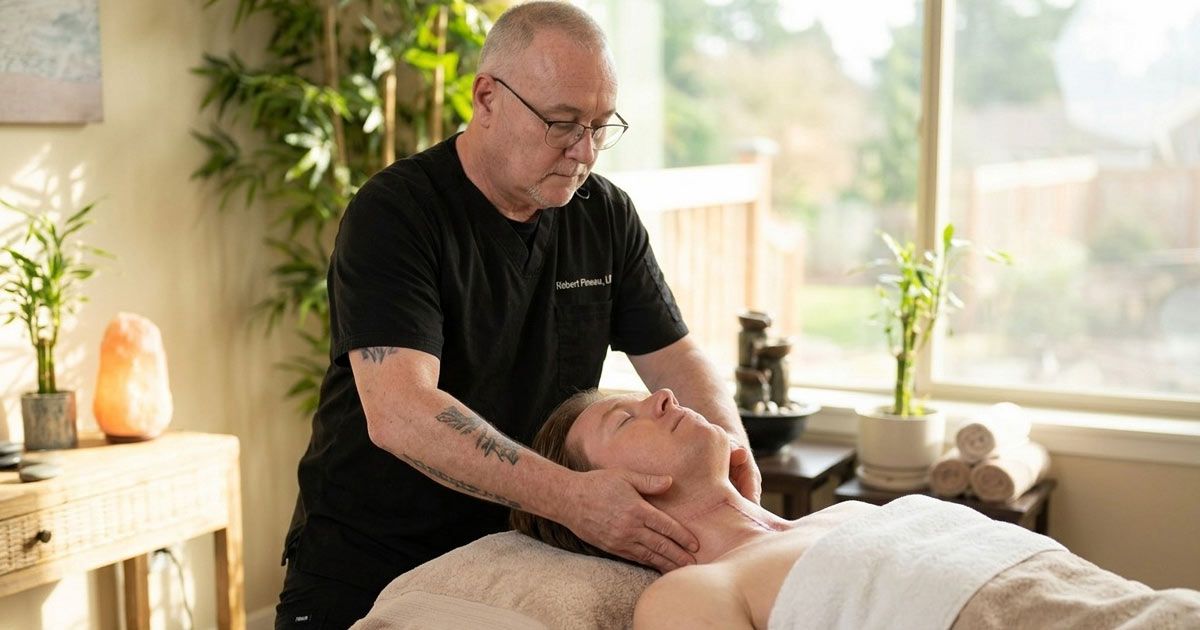
I understand how frustrating swelling, heaviness, and discomfort can be when your lymphatic system isn’t functioning at its best. As a Licensed Massage Therapist in the Top 1% of my field for training, I’m here to help you feel lighter, supported, and more in control of your health by addressing the root cause of your symptoms through specialized lymphatic drainage techniques.
-Robert Pineau, LMT
Manual Lymphatic Drainage Techniques for Swelling Reduction – Serving Patients with In‑Home Sessions or Treatments at My Massage Therapy Practice in Ronkonkoma, Suffolk County
What Is Lymphatic Drainage?
Lymphatic drainage is a gentle, clinically informed massage technique designed to stimulate the movement of lymph fluid throughout the body. This fluid plays a critical role in removing waste, reducing inflammation, and supporting immune function. When the lymphatic system becomes sluggish or overwhelmed, swelling, discomfort, and reduced mobility can occur. Lymphatic drainage helps restore natural flow by using light, rhythmic strokes that encourage lymph vessels to open and drain more efficiently.
This technique is often recommended after surgery, during chronic inflammation, or when the body shows signs of fluid retention. It is safe, non‑invasive, and deeply supportive for patients experiencing swelling or immune‑related concerns. Many patients also find that lymphatic drainage improves their energy levels and overall sense of wellness. By restoring balance to the lymphatic system, this therapy helps the body function more efficiently and comfortably.
Types of Lymphatic Drainage Massage
Lymphatic drainage includes several specialized techniques, each designed to support different patient needs. These methods vary in pressure, rhythm, and therapeutic goals, but all focus on improving lymphatic flow and reducing inflammation. Below is a complete list of the most commonly used lymphatic drainage approaches that I incorporate into patient care.
- Manual Lymphatic Drainage (MLD) — This is the most widely recognized technique, using gentle, rhythmic strokes to stimulate lymph flow. It is ideal for patients with swelling, post‑surgical inflammation, or chronic fluid retention.
- Post‑Surgical Lymphatic Drainage — Designed for patients recovering from cosmetic or medical procedures, this method reduces swelling, bruising, and discomfort. It supports faster healing by encouraging lymphatic movement around surgical sites.
- Deep Abdominal Lymphatic Drainage — This technique focuses on the lymphatic structures in the abdomen to support digestion, immune function, and fluid balance. It is especially helpful for patients with bloating or sluggish lymphatic activity.
- Lymphatic Drainage for Lymphedema — This approach is tailored for patients with diagnosed lymphedema, helping reduce limb swelling and improve mobility. It requires precise, medically informed techniques to safely support lymphatic rerouting.
- Lymphatic Drainage for Detoxification — This method supports the body’s natural detox pathways by improving lymphatic circulation. Patients often report feeling lighter, clearer, and more energized after treatment.
- Lymphatic Drainage for Chronic Inflammation — This technique is used when inflammation persists due to autoimmune conditions, chronic illness, or long‑term swelling. It helps calm irritated tissues and reduce fluid buildup.
Robert combines these lymphatic drainage techniques to support the body’s natural healing processes. Whether a patient is recovering from surgery, managing chronic swelling, or seeking improved wellness, these methods provide targeted relief and long‑term support.
Common Causes of Conditions Requiring Lymphatic Drainage
Lymphatic congestion can develop for many reasons, including surgery, injury, chronic inflammation, or underlying medical conditions. When lymph vessels become overwhelmed or restricted, fluid accumulates in tissues, leading to swelling and discomfort. Sedentary lifestyles, poor circulation, and prolonged immobility can also contribute to lymphatic stagnation. Hormonal changes, infections, and autoimmune conditions may further impair lymphatic function.
Post‑surgical trauma is one of the most common causes, as the lymphatic system works harder to manage inflammation and tissue healing. Certain medications may also affect fluid balance and lymphatic flow. Over time, untreated lymphatic congestion can lead to chronic swelling, reduced mobility, and increased discomfort. Lymphatic drainage helps address these issues by restoring natural fluid movement and supporting the body’s healing processes.
Common Symptoms Patients Have Who Need Lymphatic Draining
Many patients seek lymphatic drainage because they experience persistent swelling, heaviness, or discomfort that affects their daily life. These symptoms often develop gradually, making it difficult to pinpoint the cause without professional evaluation. Lymphatic drainage helps address these concerns by improving circulation and reducing inflammation.
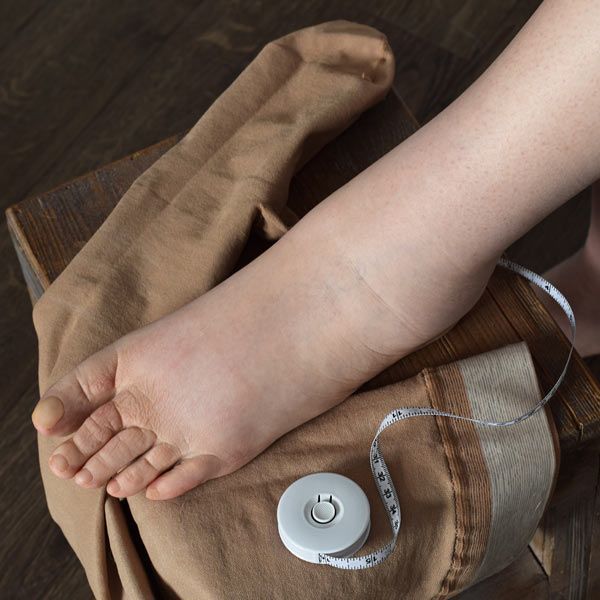
- Swelling in the arms, legs, or face — This swelling may feel tight, heavy, or uncomfortable, especially after long periods of sitting or standing. Lymphatic drainage helps reduce fluid buildup and restore natural movement.
- Heaviness or tightness in affected areas — Patients often describe a sensation of fullness or pressure that does not improve on its own. Gentle lymphatic stimulation helps relieve this tension and improve comfort.
- Reduced mobility due to swelling — When swelling limits movement, daily activities can become difficult. Lymphatic drainage helps decrease inflammation, allowing joints and muscles to move more freely.
- Post‑surgical swelling or bruising — After surgery, the lymphatic system can become overwhelmed, leading to prolonged swelling. Lymphatic drainage supports faster healing and reduces discomfort.
- Chronic fatigue or sluggishness — When the lymphatic system is not functioning optimally, patients may feel tired or run‑down. Improving lymph flow can help restore energy and overall vitality.
- Recurring infections or weakened immunity — A congested lymphatic system may struggle to filter waste effectively. Lymphatic drainage supports immune function by improving lymphatic circulation.
These symptoms can significantly impact quality of life, but they often respond well to targeted lymphatic therapy. With consistent treatment, patients typically experience reduced swelling, improved comfort, and better overall wellness.
Candidates for Lymphatic Drainage Massage Therapy
Patients who experience swelling, inflammation, or fluid retention are excellent candidates for lymphatic drainage therapy. Individuals recovering from surgery often benefit from this technique, as it can reduce bruising and support healing. Patients with chronic conditions such as lymphedema or autoimmune disorders may also find relief through regular sessions. Those who feel fatigued, sluggish, or weighed down by inflammation often experience improved energy and comfort after treatment.
Individuals with sedentary lifestyles or limited mobility may benefit from improved circulation and reduced swelling. Patients experiencing digestive sluggishness or abdominal bloating may also respond well to lymphatic techniques. Lymphatic drainage is gentle enough for sensitive patients yet effective enough for those with chronic swelling. My goal is to provide personalized care that supports long‑term wellness and improved quality of life.
Related Medical Conditions That Can Be Supported with Massage Therapy
Lymphatic drainage is often recommended as a supportive therapy for conditions involving swelling, inflammation, or impaired lymphatic function. While it is not a replacement for medical treatment, it can significantly improve comfort and mobility when used alongside a patient’s care plan. Below are common conditions that benefit from lymphatic support.
- Lymphedema — This chronic condition causes persistent swelling, often in the arms or legs. Lymphatic drainage helps reduce fluid buildup and improve limb function.
- Post‑Surgical Edema — After surgery, swelling can last for weeks or months. Lymphatic drainage supports faster healing and reduces discomfort.
- Chronic Venous Insufficiency — Poor vein function can lead to swelling and heaviness in the legs. Lymphatic drainage helps reduce fluid retention and improve circulation.
- Fibromyalgia — Patients with fibromyalgia often experience widespread inflammation and tenderness. Lymphatic drainage provides gentle relief and supports overall comfort.
- Autoimmune Conditions — Conditions such as rheumatoid arthritis or lupus can cause chronic inflammation. Lymphatic drainage helps calm irritated tissues and reduce swelling.
- Chronic Sinus Congestion — Lymphatic techniques around the head and neck help reduce sinus pressure and improve drainage.
These conditions often respond well to consistent lymphatic therapy, helping patients feel more comfortable and supported in their daily lives.
What Can Happen if Lymphatic Drainage Is Left Untreated?
When lymphatic congestion is not addressed, swelling can worsen over time and become more difficult to manage. Chronic inflammation may develop, leading to discomfort and reduced mobility. Patients may experience increased fatigue as the body struggles to remove waste efficiently. Post‑surgical swelling may linger longer than expected, slowing the healing process.
In some cases, untreated lymphatic issues can contribute to recurring infections due to impaired immune function. Persistent swelling may also place strain on joints and muscles, affecting daily activities. Over time, untreated lymphatic congestion can lead to tissue changes that make swelling more permanent. Early intervention with lymphatic drainage helps prevent these complications and supports long‑term health.
Patient Case Study
Marisol, a 47‑year‑old woman, came to my Ronkonkoma office after experiencing persistent swelling in her legs following a medical procedure. She reported heaviness, discomfort, and difficulty standing for long periods. During her evaluation, I identified signs of lymphatic congestion that were slowing her recovery. We began a series of in‑office lymphatic drainage sessions to support her healing. After the first few treatments, Marisol noticed reduced swelling and improved mobility. She also reported feeling lighter and more energized throughout the day.
As her sessions continued, her discomfort decreased significantly, and she regained confidence in her daily activities. By the end of her treatment plan, her swelling had improved dramatically, and she felt more in control of her recovery. Marisol appreciated the gentle nature of the therapy and the personalized approach to her care. Her progress demonstrates how effective lymphatic drainage can be when tailored to a patient’s unique needs.
Why Patients Choose Robert Pineau, LMT
Patients choose me for lymphatic drainage because of my advanced training and clinical approach to massage therapy. As a Licensed Massage Therapist in the Top 1% of my field, I provide highly specialized care that supports both immediate relief and long‑term wellness. My techniques are gentle, precise, and tailored to each patient’s condition. I take the time to understand the root cause of swelling or discomfort, ensuring that every session is purposeful and effective.
Patients appreciate the calm, supportive environment I create during treatment. Whether they receive care in their home or at my Ronkonkoma practice, they feel safe, heard, and cared for. My focus on prevention and whole‑body wellness helps patients achieve lasting improvements. I am committed to helping each individual feel lighter, healthier, and more comfortable in their daily life.
FAQs About Lymphatic Drainage Massage Therapy
- How soon after surgery can I begin lymphatic drainage? - This depends on your surgeon’s recommendations, but many patients begin within a few days to support healing and reduce swelling.
- Can lymphatic drainage help with chronic leg swelling? - Yes, lymphatic drainage is highly effective for chronic swelling caused by venous insufficiency, lymphedema, or inflammation.
- Is lymphatic drainage painful? - No, it is a gentle technique that uses light pressure to stimulate lymph flow without causing discomfort.
- How many sessions will I need to see results? - Many patients notice improvement after one session, but long‑term swelling often requires a series of treatments.
- Can lymphatic drainage support immune health? - Yes, by improving lymphatic circulation, this therapy helps the body filter waste more efficiently and supports immune function.

Contact Robert Pineau, LMT, for a Free Lymphatic Drainage Massage Therapy Consultation in Ronkonkoma, Suffolk County
If you’re experiencing swelling, discomfort, or sluggishness, I’m here to help you feel lighter and more supported. My lymphatic drainage techniques are tailored to your unique needs and designed to restore natural balance in your body.
Whether you prefer in‑home sessions or treatment at my Ronkonkoma practice, you’ll receive compassionate, clinically informed care. Contact me today to schedule your free consultation and begin your path toward improved wellness.
Please Contact Us today.
Additional References
- Lymphedema – National Cancer Institute
- Edema – MedlinePlus U.S. National Library of Medicine