Prenatal Massage Therapy by Robert Pineau, LMT
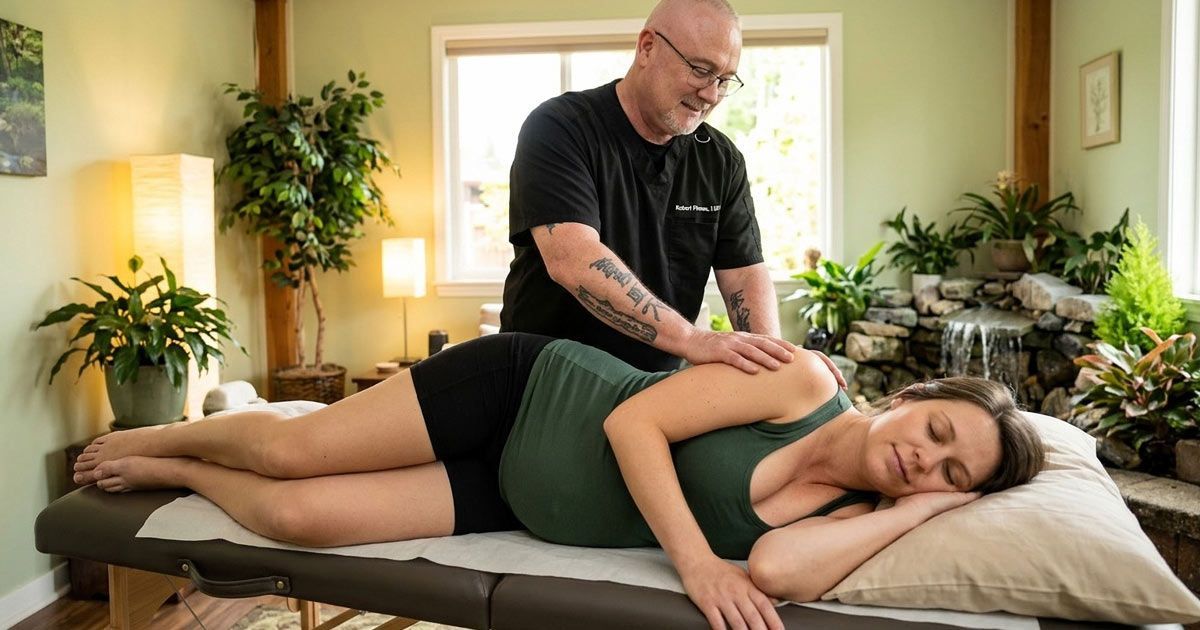
As a Licensed Massage Therapist educated in the top 1% of my field, I understand how pregnancy can bring both joy and physical challenges that affect your comfort and daily routine. I’m here to support the root causes of your discomfort so you can move through your pregnancy with greater ease, confidence, and peace of mind.
-Robert Pineau, LMT
Pregnancy Massage for Expecting Mothers Serving Patients with In‑Home Sessions or Treatments at My Massage Therapy Practice in Ronkonkoma, Suffolk County
What Is Prenatal Massage?
Prenatal Massage is a specialized form of therapeutic bodywork designed to support the physical and emotional changes that occur during pregnancy. It focuses on easing muscular tension, improving circulation, and reducing the strain placed on the body as it adapts to a growing baby. Many expecting mothers experience discomfort in the lower back, hips, legs, and shoulders, and Prenatal Massage helps support these areas with safe, modified techniques. This type of massage also promotes relaxation, which can help reduce stress and improve sleep quality.
Prenatal Massage is performed using positions that protect both mother and baby, ensuring comfort throughout the session. It is suitable for all stages of pregnancy unless otherwise advised by a healthcare provider. My approach emphasizes safety, comfort, and the unique needs of each expecting mother. The goal is to help you feel supported, balanced, and more at ease as your body changes.
Types of Prenatal Massage
Expecting mothers experience a wide range of physical changes, and different massage approaches can support these changes in unique ways. Each modality below is adapted specifically for pregnancy, ensuring safety, comfort, and relief from common pregnancy‑related discomforts.
- Side‑Lying Prenatal Massage — This technique positions the patient comfortably on their side with supportive bolsters. It helps reduce pressure on the abdomen while easing tension in the hips, lower back, and shoulders.
- Swedish Prenatal Massage — A gentle, flowing approach that supports circulation and relaxation. It is ideal for reducing swelling, calming the nervous system, and easing general pregnancy‑related discomfort.
- Lower Back & Hip Focused Massage — This approach targets the areas most affected by postural changes during pregnancy. It helps reduce muscular strain and supports pelvic alignment as the body adapts to added weight.
- Prenatal Myofascial Release — Gentle fascial stretching helps reduce restrictions in the hips, abdomen, and lower back. This technique supports mobility and helps ease tension caused by postural shifts.
- Prenatal Neck & Shoulder Massage — Many expecting mothers experience upper‑body tension from changes in posture and breast weight. This technique helps reduce stiffness and supports better breathing mechanics.
- Leg & Foot Circulation Massage — Designed to support lymphatic flow and reduce swelling in the legs and feet. This approach helps ease heaviness, fatigue, and fluid retention.
- Pelvic Support Massage — Focuses on the muscles surrounding the pelvis to help reduce pressure and improve comfort during movement. This is especially helpful in the later stages of pregnancy.
- Prenatal Relaxation Massage — A calming, slow‑paced approach that supports emotional well‑being and reduces stress. It helps expecting mothers feel grounded and more connected to their bodies.
These modalities work together to support the physical and emotional needs of pregnancy. Each technique is adapted to your comfort level and stage of pregnancy, ensuring a safe and nurturing experience.
Common Causes of Prenatal Discomfort
Pregnancy brings significant physical changes that can lead to discomfort in various parts of the body. As the uterus expands, it shifts the center of gravity, placing additional strain on the lower back and hips. Hormonal changes loosen ligaments, which can affect joint stability and contribute to pelvic or lower back discomfort. Increased breast weight can create tension in the neck, shoulders, and upper back.
Swelling in the legs and feet may occur due to fluid retention and changes in circulation. Postural adjustments made to accommodate the growing abdomen can lead to muscle imbalances. Sleep disruptions may worsen muscular tension and fatigue. Emotional stress can also manifest physically, increasing overall discomfort. Understanding these causes helps guide supportive massage techniques that promote comfort and mobility.
Common Prenatal Massage Symptoms
Expecting mothers often experience a combination of muscular tension, swelling, and postural discomfort as their bodies adapt to pregnancy. Prenatal Massage can support many of these symptoms by easing strain and promoting relaxation.
- Lower Back Pain — Increased abdominal weight shifts posture and strains the lumbar muscles. Massage helps ease tension and supports better alignment.
- Hip and Pelvic Discomfort — Hormonal changes loosen ligaments, affecting stability. Targeted massage helps reduce muscular compensation and improves comfort during movement.
- Neck and Shoulder Tension — Postural changes and breast weight can create upper‑body strain. Massage helps reduce stiffness and supports better breathing mechanics.
- Leg and Foot Swelling — Fluid retention is common during pregnancy. Gentle massage supports lymphatic flow and reduces heaviness in the legs.
- Sciatic‑Like Discomfort — Pressure on the pelvis can irritate the sciatic nerve. Massage helps ease surrounding muscular tension and supports mobility.
- Fatigue and Stress — Emotional and physical demands can increase stress levels. Massage promotes relaxation and supports better sleep quality.
Prenatal Massage helps expecting mothers feel more balanced, supported, and comfortable throughout their pregnancy. Each session is adapted to your stage of pregnancy and your unique symptoms.
Candidates for Prenatal Massage by Robert Pineau, LMT
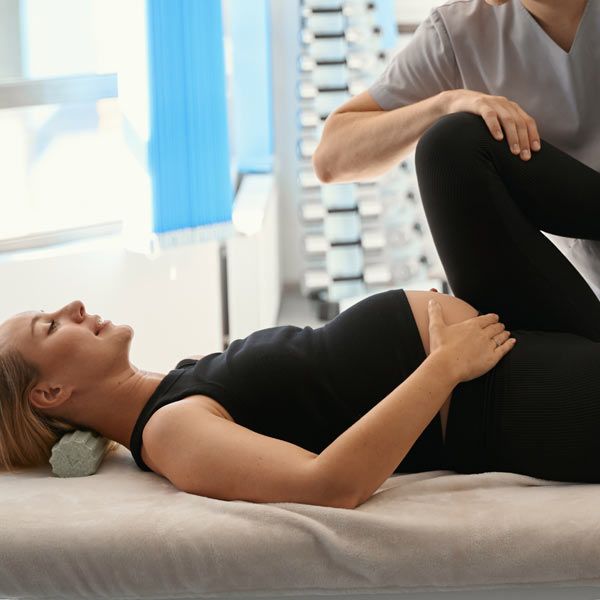
Expecting mothers experiencing muscular tension, swelling, or postural discomfort may benefit from Prenatal Massage. Robert has a long hist of success supporting patients who struggle with lower back pain, hip tightness, or leg fatigue often find meaningful support through targeted techniques. Those experiencing stress, anxiety, or sleep disruptions may also benefit from the calming effects of massage. Prenatal Massage is suitable for all trimesters unless otherwise advised by a healthcare provider.
Patients who prefer natural, hands‑on support during pregnancy often choose this approach to help ease physical strain. Mothers preparing for childbirth may also find that massage helps them feel more grounded and connected to their bodies. My goal is to create a safe, nurturing environment where expecting mothers feel supported and understood. Each session is tailored to your comfort level and stage of pregnancy.
Common Massage Needs by Trimester and Postpartum
Pregnancy places different demands on the body during each trimester, and massage needs shift as the baby grows and the mother’s posture, circulation, and comfort levels change. Understanding these patterns helps ensure that each session supports the patient’s stage of pregnancy safely and effectively.
- First Trimester Massage Needs — Many expecting mothers experience fatigue, nausea, and early postural changes as the body begins adjusting to pregnancy. Gentle massage helps support relaxation, reduce upper‑body tension, and ease the emotional stress that often accompanies early pregnancy.
- Second Trimester Massage Needs — As the abdomen grows, the lower back, hips, and pelvis begin to carry more strain. Massage during this stage focuses on easing lumbar tension, supporting pelvic alignment, and improving circulation in the legs as fluid retention begins to increase.
- Third Trimester Massage Needs — The body experiences its greatest physical load, often leading to hip discomfort, swelling in the legs and feet, and difficulty sleeping. Massage helps reduce muscular tightness, support lymphatic flow, and create greater comfort during movement and rest.
- Postpartum Massage Needs — After childbirth, the body undergoes significant recovery while adapting to new physical demands such as feeding positions, lifting, and reduced sleep. Massage supports healing by easing neck, shoulder, and lower‑back tension, improving circulation, and helping restore balance to muscles affected by pregnancy and delivery.
Each stage of pregnancy brings unique physical and emotional needs, and massage can play an important role in supporting comfort, mobility, and overall well‑being. By adapting techniques to the trimester or postpartum phase, patients receive safe, targeted care that aligns with their changing bodies.
What Can Happen if Prenatal Discomfort Is Left Unaddressed?
When pregnancy‑related discomfort is not supported, symptoms may intensify as the body continues to change. Lower back pain may worsen, making daily activities more challenging. Hip and pelvic discomfort can increase, affecting walking and sleep quality. Swelling in the legs and feet may become more pronounced, leading to heaviness and fatigue. Neck and shoulder tension may contribute to headaches or reduced mobility. Emotional stress may rise as physical discomfort accumulates. Sleep disruptions may become more frequent, affecting overall energy levels. Muscle imbalances may develop as the body compensates for discomfort. Addressing these symptoms early helps expecting mothers feel more comfortable and supported throughout their pregnancy.
Related Medical Conditions That Can Be Supported
Pregnancy can influence or intensify several conditions that benefit from supportive massage therapy. Addressing these related concerns can help expecting mothers feel more comfortable and balanced throughout their pregnancy.
- Sciatic Nerve Discomfort — Pressure on the pelvis can irritate the sciatic nerve. Massage helps ease surrounding muscular tension.
- Round Ligament Discomfort — Stretching of the round ligaments can cause sharp or aching sensations. Gentle techniques help reduce strain in the lower abdomen and hips.
- Pelvic Girdle Pain — Hormonal changes can affect pelvic stability. Massage supports surrounding muscles to reduce compensation patterns.
- Edema (Swelling) — Fluid retention in the legs and feet is common. Massage supports lymphatic flow and reduces heaviness.
- Carpal Tunnel‑Like Symptoms — Swelling in the wrists can compress nerves. Massage helps ease tension in the forearms and hands.
- Upper Back and Shoulder Strain — Postural changes can create muscular tightness. Massage helps restore comfort and mobility.
Supporting these conditions helps expecting mothers feel more balanced and reduces the physical strain of pregnancy. Each technique is adapted to ensure safety and comfort.
Patient Case Study
Elara, a 32‑year‑old expecting mother in her second trimester, visited my Ronkonkoma practice with persistent lower back pain and swelling in her legs. She shared that her discomfort was making it difficult to sleep and affecting her ability to work comfortably. During her assessment, I identified tension in her hips, lumbar muscles, and shoulders, along with fluid retention in her lower legs. Elara chose office sessions, as she enjoyed having a quiet, dedicated space to relax away from home. Over the next several weeks, we focused on easing muscular tension, supporting circulation, and improving her overall comfort.
She began noticing reduced swelling and improved mobility when getting out of bed in the morning. Her lower back pain gradually eased, allowing her to sit and walk with greater comfort. As her pregnancy progressed, she reported feeling more balanced and emotionally grounded. Elara shared that the sessions helped her feel more connected to her body and better prepared for the months ahead. Her experience highlights how supportive prenatal massage can make a meaningful difference in an expecting mother’s daily life.
Why Patients Choose Robert Pineau, LMT for Prenatal Massage Therapy
Patients choose me because I combine advanced clinical training with a compassionate, patient‑centered approach tailored to the unique needs of pregnancy. My top 1% training allows me to understand the structural and muscular changes that occur throughout each trimester. I take time to listen to your symptoms, concerns, and goals so I can create a supportive plan that aligns with your comfort level. Many expecting mothers appreciate my ability to identify subtle imbalances that contribute to discomfort.
I offer both In‑Home Sessions and office visits, giving you flexibility based on your mobility and preferences. My techniques are designed to support circulation, reduce muscular tension, and promote relaxation. I create a calm, nurturing environment where you can feel safe and supported. My goal is to help you move through your pregnancy with greater ease, comfort, and confidence.
Prenatal Massage Frequently Asked Questions
- Is Prenatal Massage safe during all trimesters? - Prenatal Massage is generally safe throughout pregnancy unless otherwise advised by a healthcare provider.
- Can Prenatal Massage help with swelling in the legs and feet? - Yes, gentle techniques support lymphatic flow and help reduce fluid retention.
- Do I need to bring anything to my session? - No, all necessary bolsters and supports are provided to ensure your comfort.
- Can Prenatal Massage help with sleep difficulties? - Many expecting mothers report improved relaxation and better sleep after sessions.
- Is deep pressure safe during pregnancy? - Pressure is always adapted to your comfort level and stage of pregnancy, ensuring safety at all times.

Contact Robert Pineau, LMT for a Free Prenatal Massage Therapy Consultation in Ronkonkoma, Suffolk County
If you’re experiencing pregnancy‑related discomfort, I’m here to support you with safe, nurturing techniques tailored to your stage of pregnancy. My approach focuses on easing muscular tension, supporting circulation, and helping you feel more comfortable and confident. Whether you prefer In‑Home Sessions or visiting my Ronkonkoma practice, I’ll create a supportive plan designed around your needs. Contact me today to schedule your free consultation and experience the benefits of Prenatal Massage.
Please contact us today.
Additional References
- Pregnancy: Body Changes and Discomforts - Office on Women’s Health
- Pregnancy and Physical Activity - Centers for Disease Control and Prevention