Massage Therapy for Headaches - Robert Pineau, LMT
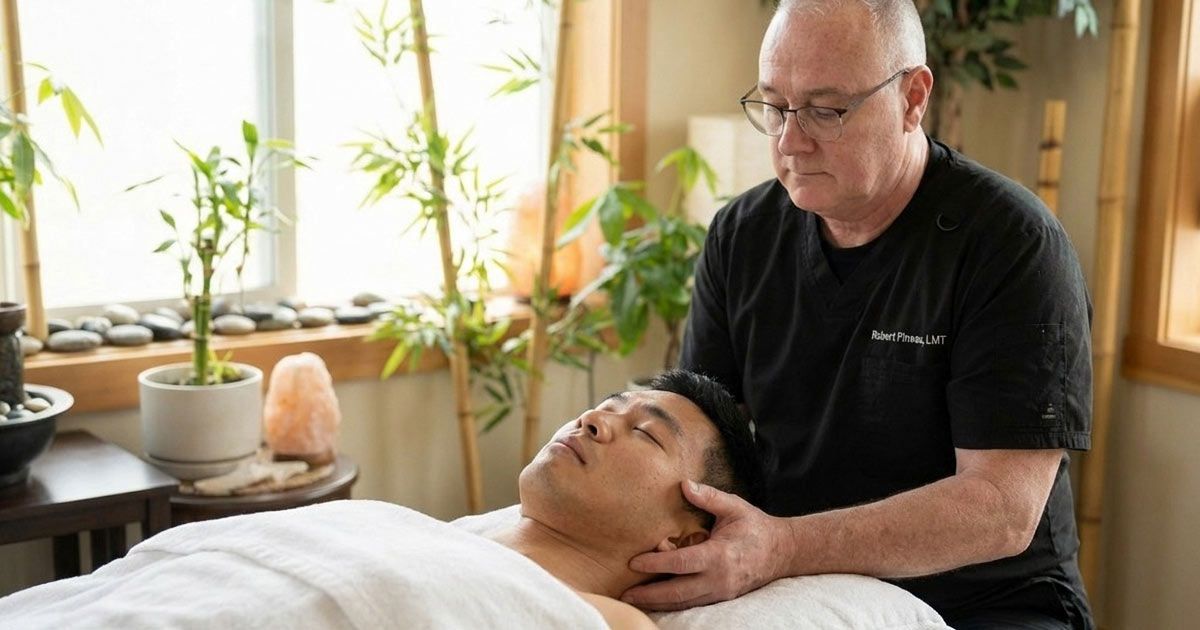
As a Licensed Massage Therapist in the top 1% of my field for advanced training, I understand how chronic headaches can disrupt your daily life, your focus, and your overall sense of well‑being. The fact that you're here defines how serious your pain is. I want you to know that I’m here to support the root causes of your discomfort so you can move through your days with greater clarity, comfort, and confidence.
-Robert Pineau, LMT
Massage for Chronic Headache Relief Serving Patients with In‑Home Sessions or Treatments at My Massage Therapy Practice in Ronkonkoma, Suffolk County
What Are Headaches?
Headaches are recurring head pain patterns that occur frequently over long periods of time, often interfering with daily routines and overall quality of life. These headaches may appear as dull, throbbing, or pressure‑based sensations that affect one or multiple areas of the head. Many patients experience associated symptoms such as neck tension, jaw tightness, or sensitivity to light and sound.
Chronic headaches can develop gradually or intensify during periods of stress, fatigue, or muscular imbalance. They often stem from a combination of physical, emotional, and lifestyle‑related factors. While the intensity may vary, the ongoing nature of chronic headaches can create significant discomfort and frustration. Understanding the underlying patterns contributing to these headaches helps guide supportive strategies that reduce tension and promote long‑term comfort. My goal is to help ease the muscular and postural factors that may be contributing to your symptoms.
The Difference Between A Headache and a Migraine
A headache is a broad term describing discomfort or pressure felt in the head, scalp, or neck, and it can range from mild to moderately intense depending on muscular tension, posture, or stress. A migraine, on the other hand, is a neurological event that often creates more severe, throbbing pain and may include sensitivity to light, sound, or smells. Headaches are commonly linked to tight muscles in the neck, shoulders, or jaw, while migraines involve changes in the brain and nervous system. Many patients with headaches experience steady, pressure‑based discomfort, whereas migraines often come with pulsating sensations.
Headaches may improve with rest, hydration, or reduced tension, while migraines can last longer and may require more specific management strategies. Some people experience both conditions, and symptoms can overlap depending on stress levels, posture, or environmental triggers. Massage therapy can support the muscular and postural factors that contribute to headaches and may help reduce the intensity of tension that can worsen migraine episodes. Understanding the difference between the two helps patients recognize their patterns and seek the right type of support for their symptoms.
Common Headache Symptoms
Chronic headaches can create a wide range of symptoms that affect comfort, focus, and daily function. Many patients experience a combination of muscular tension, pressure, and radiating discomfort that varies in intensity throughout the day. These symptoms often worsen with stress, poor posture, or repetitive movements.
- Pressure or Tightness Around the Head — Patients may feel a band‑like sensation around the temples, forehead, or back of the skull. This pressure often increases with stress or prolonged sitting.
- Neck and Shoulder Tension — Tightness in the upper body can radiate upward into the head. This tension often contributes to recurring headaches and reduced mobility.
- Throbbing or Pulsing Sensations — Some headaches create rhythmic pain that intensifies with movement or sensory stimulation. This discomfort may affect one or both sides of the head.
- Jaw Tightness or Facial Discomfort — Clenching or grinding can create tension that radiates into the temples. Massage helps ease these muscular patterns.
- Sensitivity to Light or Sound — Some patients experience heightened sensory sensitivity during headache episodes. This can make daily activities more challenging.
- Reduced Focus or Mental Fatigue — Chronic headaches can interfere with concentration and productivity. Patients may feel mentally drained or overwhelmed.
Chronic headache symptoms can significantly impact daily life, making it difficult to work, rest, or enjoy routine activities. Recognizing these patterns helps guide supportive massage techniques that reduce tension and promote long‑term comfort.
Common Causes of Headaches
Headaches often develop from a combination of muscular tension, postural imbalances, and lifestyle‑related stress. Tightness in the neck, shoulders, and upper back can place strain on the muscles that connect to the base of the skull, contributing to recurring head pain. Poor posture from prolonged sitting, computer use, or mobile device use can create forward‑head positioning that increases tension in the cervical spine. Jaw clenching or grinding may also contribute to headaches by tightening the muscles around the temples and face. Stress and emotional strain can heighten muscle tension and increase headache frequency. Sleep disruptions may worsen symptoms by preventing the body from fully relaxing. Hormonal fluctuations can also influence headache patterns. Understanding these causes helps guide supportive massage techniques that reduce tension and promote long‑term comfort.

Candidates for Headache Massage Therapy by Robert Pineau, LMT
Patients who experience recurring head pain, neck tension, or pressure around the temples may benefit from supportive massage therapy. Individuals who spend long hours at a desk or using digital devices often develop postural imbalances that contribute to chronic headaches. Those who clench their jaw or experience TMJ‑related discomfort may also find relief through targeted techniques. Patients dealing with stress, fatigue, or sleep disruptions often respond well to Robert's massage therapy that supports relaxation and reduces muscular tension.
Individuals with tightness in the neck, shoulders, or upper back may benefit from techniques that restore mobility and reduce strain. Patients who prefer a natural, hands‑on approach to supporting chronic headaches often choose massage therapy as part of their wellness routine. My goal is to help each patient feel more comfortable, balanced, and confident in their daily activities.
Related Medical Conditions That Can Be Supported with Massage Therapy
Several conditions can contribute to or worsen chronic headaches, and supporting these underlying issues can help reduce overall discomfort. Many patients experience overlapping symptoms that benefit from targeted massage therapy. Understanding these related conditions helps guide a comprehensive approach to reducing muscular tension and improving mobility.
- TMJ Dysfunction — Tightness in the jaw muscles can radiate into the temples and forehead. Massage helps ease tension in the jaw, face, and neck.
- Cervical Strain — Neck muscle tightness can create referred pain patterns that contribute to headaches. Massage supports mobility and reduces strain in the cervical spine.
- Upper Crossed Syndrome — Postural imbalances from prolonged sitting can tighten the chest and weaken the upper back. Massage helps restore balance and reduce compensatory tension.
- Sinus Congestion — Pressure in the sinuses can intensify head pain. Massage supports facial and neck tension that may worsen symptoms.
- Stress‑Related Muscle Tension — Emotional strain can create tightness in the neck, shoulders, and scalp. Massage helps calm the nervous system and reduce tension.
Supporting these related conditions helps reduce overall strain on the head, neck, and shoulders. By addressing the full picture of a patient’s symptoms, massage therapy can promote long‑term comfort and improved daily function.
What Massage Therapy Modalities May Be Used for Headaches
Massage therapy for chronic headaches focuses on reducing muscular tension, improving circulation, and supporting healthier posture. Different modalities target specific areas that contribute to recurring head pain, including the neck, shoulders, jaw, and upper back. By combining techniques, I can create a supportive plan tailored to your unique symptoms and lifestyle.
- Myofascial Release — This technique gently stretches the fascia surrounding the neck, shoulders, and scalp. It helps reduce restrictions that may contribute to tension‑based headaches.
- Deep Tissue Massage — Focuses on deeper layers of muscle that may be contributing to chronic tightness. This approach helps reduce strain in the upper back, neck, and shoulders.
- Trigger Point Therapy — Addresses specific points of tension that can refer pain into the head. This technique is especially helpful for tension and cervicogenic headaches.
- Scalp and Facial Massage — Supports relaxation and reduces tightness in the muscles surrounding the temples, forehead, and jaw. This approach helps ease pressure and improve circulation.
- Neck and Shoulder Mobilization — Gentle movement techniques help improve mobility in the cervical spine. This supports better posture and reduces strain on surrounding muscles.
- Jaw and TMJ‑Focused Massage — Helps reduce tension in the jaw muscles that may contribute to headaches. This technique supports improved comfort and mobility.
Massage therapy modalities work together to support the muscular and postural factors contributing to chronic headaches. By tailoring each session to your symptoms, I can help you feel more balanced, relaxed, and comfortable in your daily life.
What Can Happen if Headaches Are Left Unaddressed?
When chronic headaches are left unaddressed, symptoms may intensify and become more frequent over time. Muscular tension in the neck and shoulders can worsen, creating additional strain on the head. Postural imbalances may develop as the body compensates for discomfort. Sleep quality may decline due to ongoing pain or pressure. Stress levels may increase as headaches interfere with daily activities. Reduced focus and productivity can affect work and personal responsibilities. Jaw tension may worsen, contributing to additional discomfort. Addressing chronic headaches early helps prevent these long‑term challenges and supports overall well‑being.
Patient Case Study
Liora, a 41‑year‑old woman, visited my Ronkonkoma practice with chronic headaches that had been affecting her for nearly a year. She described a constant pressure around her temples and frequent tightness in her neck and shoulders. During her assessment, I identified significant tension in her upper back, jaw muscles, and cervical spine. Liora chose In‑Home Sessions, as her headaches made driving uncomfortable. Over the next several weeks, we focused on easing muscular tension, improving posture, and supporting relaxation.
She began noticing reduced pressure in her temples and improved mobility in her neck. Her headaches became less frequent, and she reported feeling more focused and productive at work. As her symptoms continued to improve, she felt more confident in her ability to manage stress and maintain comfort. Liora shared that the sessions helped her feel more balanced and in control of her daily life. Her experience highlights how supportive massage therapy can make a meaningful difference for patients with chronic headaches.
Why Patients Choose Robert Pineau, LMT for Chronic Headache Massage Therapy
Patients choose me because I combine advanced clinical training with a patient‑centered approach that focuses on the root causes of chronic headaches. My top 1% training allows me to understand the complex muscular and postural patterns that contribute to recurring head pain. I take time to listen to each patient’s symptoms, lifestyle, and goals to create a supportive plan tailored to their needs. Many patients appreciate my ability to identify subtle imbalances that may be contributing to their discomfort.
I offer both In‑Home Sessions and office visits, giving patients flexibility based on their comfort and mobility. My techniques are designed to reduce muscular tension, improve circulation, and support healthier posture. Patients value the calm, supportive environment I create during each session. My goal is always to help patients feel more comfortable, balanced, and confident in their daily lives.
Massage Therapy for Headaches Frequently Asked Questions
- Can chronic headaches be influenced by posture? - Yes, forward‑head posture and upper‑body tension can significantly contribute to recurring headaches.
- Can jaw tension cause headaches? - Tightness in the jaw muscles can radiate into the temples and forehead, contributing to chronic head pain.
- How often should I receive massage for chronic headaches? - Frequency depends on symptom severity, lifestyle, and muscular tension patterns.
- Can massage help with headaches caused by stress? - Massage supports relaxation and reduces muscular tension that may worsen stress‑related headaches.
- Is scalp massage helpful for chronic headaches? - Yes, scalp and facial techniques help reduce tension and improve circulation in areas commonly affected by headaches.

Contact Robert Pineau, LMT for a Free Headache Massage Therapy Consultation in Ronkonkoma, Suffolk County
If you’re experiencing chronic headaches, I’m here to support you with techniques that reduce muscular tension, improve posture, and promote long‑term comfort. Whether you prefer In‑Home Sessions or visiting my Ronkonkoma practice, I’ll create a supportive plan tailored to your needs. Contact me today to schedule your free consultation and begin your path toward improved comfort and clarity.
Please contact us today.
Additional References
- Headaches: Types, Causes, and Symptoms - National Institute of Neurological Disorders and Stroke (NINDS)
- Chronic Pain Among Adults - Centers for Disease Control and Prevention (CDC)