Back Pain Massage Therapy by Robert Pineau, LMT
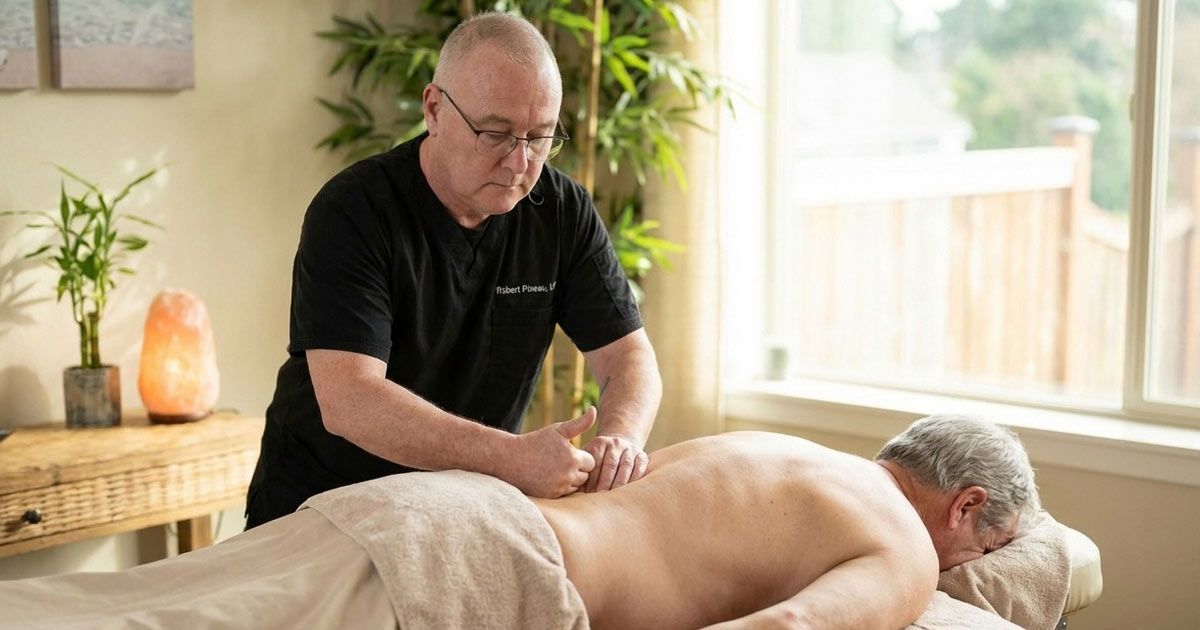
I know how deeply back pain can interfere with your daily life, your sleep, your mobility, and even your emotional well‑being. My goal is to help you feel understood and supported at the root level so that you can move with greater comfort and confidence again.
-Robert Pineau, LMT
Back Pain Relief Massage Therapy by Robert Pineau, LMT – Serving Patients with In‑Home Sessions or Treatments at My Massage Therapy Practice in Ronkonkoma, Suffolk County
What Is Back Pain?
Back pain is a condition that affects the muscles, joints, discs, ligaments, and nerves that support the spine. It can develop suddenly from an injury or gradually from long‑term strain, poor posture, or repetitive movements. Many patients experience discomfort in the lower back, but pain can also occur in the mid or upper spine. Back pain may feel sharp, dull, achy, or radiating, depending on which structures are involved. Inflammation, muscle tightness, and nerve irritation often contribute to the intensity and duration of symptoms.
Back pain can interfere with daily activities such as sitting, standing, lifting, and sleeping. It is one of the leading causes of reduced mobility and missed workdays. Understanding the underlying cause of back pain is essential for choosing the most effective treatment and preventing future flare‑ups.
Types of Back Pain
Back pain can present in many different forms, and identifying the specific type helps guide the most effective treatment plan. Each type of back pain has unique characteristics, patterns, and contributing factors. Below are the most common types of back pain, each with a two‑sentence description to help patients understand their symptoms more clearly.
- Acute Back Pain — This type of pain comes on suddenly, often from lifting, twisting, or a minor injury. It typically lasts a few days to a few weeks and responds well to early intervention.
- Chronic Back Pain — Pain that persists for more than three months is considered chronic. It may fluctuate in intensity and often involves deeper muscular or structural imbalances.
- Mechanical Back Pain — This pain originates from muscles, joints, or ligaments rather than nerves. It often worsens with movement and improves with rest or targeted therapy.
- Radicular Back Pain — This type of pain radiates into the hips, glutes, or legs due to nerve irritation or compression. It may feel sharp, burning, or tingling.
- Referred Back Pain — Pain felt in the back may actually originate from another area, such as the hips or abdomen. This type of pain can be confusing without a proper assessment.
- Myofascial Back Pain — Trigger points or tight muscle bands can cause deep, aching pain. This type of pain often responds well to massage therapy and soft‑tissue work.
- Postural Back Pain — Long hours of sitting, standing, or leaning can strain the spine and surrounding muscles. This pain improves with posture correction and targeted soft‑tissue therapy.
Understanding the type of back pain helps determine the most effective treatment approach. Many patients experience a combination of these types, and a personalized plan can address each contributing factor.
Common Causes of Back Pain
Back pain can develop from a wide range of physical, lifestyle, and postural factors. Poor posture, especially from long hours of sitting, is one of the most common contributors. Muscle imbalances in the hips, glutes, and core can place extra strain on the lower back. Repetitive movements, heavy lifting, or sudden twisting can also trigger pain. Stress and emotional tension often manifest physically, tightening the muscles along the spine.
Previous injuries, even those that seemed minor at the time, can create long‑term patterns of discomfort. Weakness in stabilizing muscles can cause the back to overcompensate, leading to fatigue and pain. Over time, these factors can combine to create chronic or recurring back issues that benefit greatly from therapeutic massage.
Common Back Pain Symptoms
Back pain can show up in many different ways, and recognizing your symptoms helps guide a more accurate treatment plan. Some symptoms develop gradually, while others appear suddenly after a specific movement or activity. Below are the most common symptoms associated with back pain.
- Localized Pain in the Lower, Mid, or Upper Back — This pain may feel sharp, dull, or achy depending on the structures involved. It often worsens with certain movements or prolonged positions.
- Radiating Pain into the Hips, Glutes, or Legs — This symptom suggests nerve involvement or muscular referral patterns. It may feel like burning, tingling, or shooting pain.
- Stiffness and Reduced Range of Motion — Many patients struggle to bend, twist, or stand upright comfortably. This stiffness often results from muscle guarding or inflammation.
- Muscle Spasms — Sudden, involuntary contractions can cause intense pain and restrict movement. Spasms often occur when muscles are overworked or irritated.
- Pain That Worsens After Sitting — Prolonged sitting can compress the spine and tighten the hip flexors, leading to increased discomfort. This is especially common for desk workers and drivers.
- Pain That Improves with Movement — Some patients feel better when walking or stretching, which suggests muscular rather than structural causes. Massage can help maintain this improved mobility.
- Tingling, Numbness, or Weakness — These sensations may indicate nerve compression or irritation. Massage can help reduce surrounding muscle tension, relieving pressure on nerves.
Recognizing these symptoms early helps prevent them from becoming chronic or more difficult to manage. A targeted treatment plan can reduce discomfort, improve mobility, and support long‑term spinal health.

Candidates for Back Pain Massage Therapy by Robert Pineau, LMT
Ideal candidates for back pain massage therapy include individuals experiencing chronic or recurring discomfort that affects their daily activities. Patients with stiffness, limited mobility, or muscle tightness often benefit greatly from targeted soft‑tissue work. Those recovering from injuries or dealing with posture‑related pain also respond well to massage therapy. People who sit for long hours, whether at a desk or while driving, frequently develop back pain that massage can help relieve.
Athletes and active individuals benefit from improved flexibility and reduced strain. Patients with stress‑related tension often find massage helpful for both physical and emotional relief. Individuals with nerve‑related symptoms, such as radiating pain or tingling, may also experience improvement. Overall, anyone seeking a natural, hands‑on approach to back pain relief is a strong candidate for this therapy.
Related Medical Conditions That Can Be Supported with Massage Therapy
Many medical conditions contribute to back pain or make it more difficult to manage. Massage therapy can support these conditions by improving circulation, reducing muscle tension, and enhancing mobility. Below are some of the most common conditions that benefit from back pain massage therapy.
- Sciatica — Irritation of the sciatic nerve can cause pain that radiates down the leg. Massage helps reduce surrounding muscle tension and improves nerve mobility.
- Herniated or Bulging Discs — While massage does not treat the disc itself, it reduces muscular guarding and improves comfort. This can decrease pressure on the spine and improve mobility.
- Arthritis — Inflammation in the joints can cause stiffness and pain in the back. Massage helps increase circulation and reduce discomfort in surrounding tissues.
- Scoliosis — Uneven spinal curvature can create muscular imbalances and chronic tension. Massage helps restore balance and reduce strain on overworked muscles.
- Piriformis Syndrome — Tightness in the piriformis muscle can compress the sciatic nerve. Massage helps release this muscle and reduce radiating pain.
- Degenerative Disc Disease — As discs lose hydration and height, surrounding muscles work harder to stabilize the spine. Massage helps reduce this compensatory tension.
Supporting these conditions through massage can significantly improve comfort, mobility, and quality of life. Many patients find that regular sessions help them manage symptoms more effectively and reduce flare‑ups.
Patient Case Study
Dorian, a 52‑year‑old man, came to me with persistent mid‑to‑lower back pain that had been affecting him for nearly two years. He worked as a delivery driver and spent long hours sitting, which worsened his symptoms. Dorian chose office sessions because he preferred a structured environment for treatment. During the initial assessment, I identified significant tightness in his hip flexors, lower back muscles, and thoracic spine. His pain occasionally radiated into his left hip after long shifts. We began with gentle myofascial release and progressed to deeper work as his body allowed.
After three sessions, he reported improved mobility and less stiffness when getting out of the truck. By the sixth session, his radiating pain had significantly decreased. Dorian also incorporated simple stretches I recommended between sessions. Over time, his posture improved, and he felt more comfortable during long workdays. He now schedules maintenance sessions every three weeks to keep his back stable. His overall quality of life has improved, and he feels more confident managing his symptoms.
What Can Happen if Back Pain Is Left Untreated?
Untreated back pain can gradually worsen and become more difficult to manage over time. Muscles may tighten further, leading to reduced mobility and increased discomfort. Chronic inflammation can develop, affecting surrounding tissues and joints. Compensation patterns may form, causing pain in the hips, legs, or upper back. Sleep quality often declines, slowing healing and increasing fatigue. Emotional stress may rise as pain interferes with daily activities. Over time, untreated back pain can limit physical activity, affecting overall health and well‑being. Addressing back pain early helps prevent these long‑term complications and supports better function.
Why Patients Choose Robert Pineau, LMT
Patients choose me because I bring decades of experience and advanced training to every session. Being in the top 1% of Licensed Massage Therapists allows me to provide highly specialized care. I take the time to understand each patient’s unique symptoms and lifestyle. My approach focuses on both immediate relief and long‑term improvement. I offer in‑home sessions for convenience and comfort, as well as treatments at my Ronkonkoma practice. Patients appreciate my calm, supportive communication style. I tailor every session to the patient’s comfort level and goals. Most importantly, I am committed to helping each person feel better, move better, and live with less pain.
Back Pain Frequently Asked Questions
- Why does back pain sometimes radiate into the hips or legs? - Radiating pain often occurs when nerves become irritated or compressed by tight muscles or inflamed tissues. Massage helps reduce this pressure and improve nerve mobility.
- Can massage help with back pain caused by long hours of sitting? - Yes, massage can release tight hip flexors, glutes, and lower back muscles that become strained from prolonged sitting. It also improves circulation and posture.
- How many sessions are usually needed to feel improvement? - Many patients feel relief after the first session, but lasting improvement often requires several treatments. The number depends on the severity and duration of symptoms.
- Is deep pressure necessary for back pain relief? - Not always. Some patients respond best to gentle techniques that calm the nervous system and gradually release tension.
- Can massage help if my back pain is related to stress? - Absolutely. Stress often causes muscle tightening along the spine, and massage helps reduce both physical and emotional tension.

Contact Robert Pineau, LMT, for a Free Back Pain Massage Therapy Consultation in Ronkonkoma, Suffolk County
Back pain can affect every part of your daily life, but you don’t have to manage it alone. I offer personalized, clinically informed massage therapy designed to address the root causes of your discomfort and support long‑term relief. Whether you prefer in‑home sessions or treatment at my Ronkonkoma massage therapy practice, I tailor every session to your specific needs. Contact me today to discuss your symptoms and explore how targeted back pain massage therapy can help you move with greater comfort and confidence.
Please Contact Us today.
Additional References
- Low Back Pain Fact Sheet Printable PDF - National Institute of Neurological Disorders and Stroke (NINDS)
- Back Pain - U.S. National Library of Medicine