Pain Relief Massage Therapy by Robert Pineau, LMT
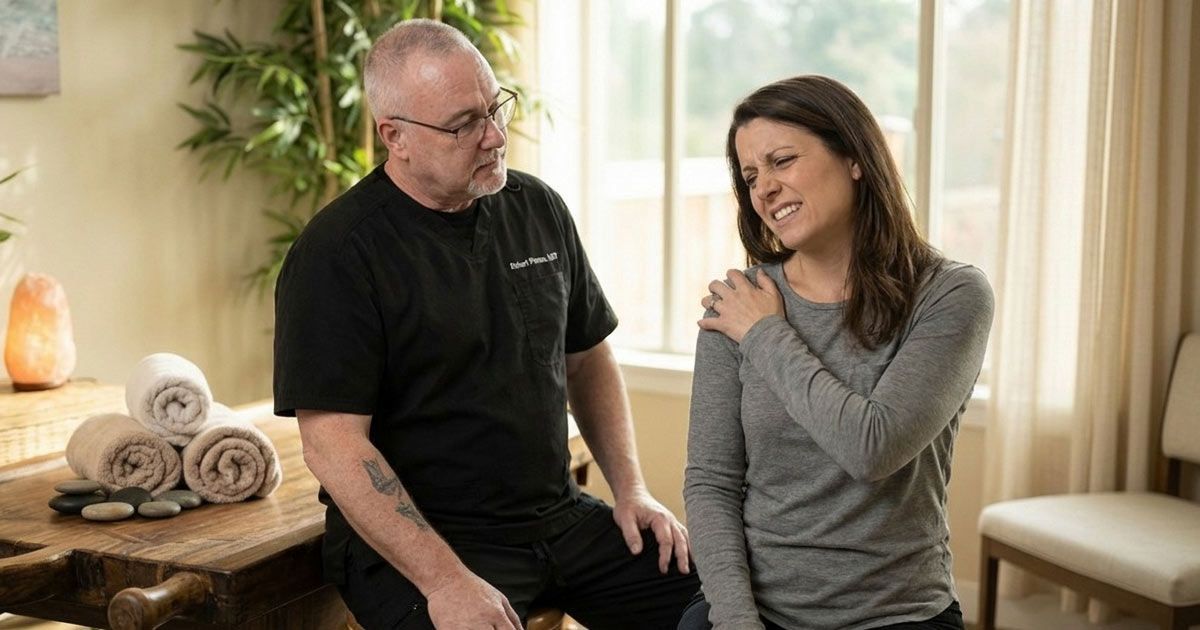
“When you’re in pain, my goal is to understand what’s causing it — not just chasing the symptoms — so your body can finally start to relax and heal. Every session is tailored to ease discomfort, restore movement, and help you feel genuinely better, not just temporarily relieved. I have a proven history of fast pain relief with my patients.
-Robert Pineau, LMT
Massage Therapy for Pain Relief by Robert Pineau. Serving Patients with In‑Home Sessions or Treatments at My Massage Therapy Practice in Ronkonkoma, Suffolk County
Massage therapy has been used for thousands of years as a natural method for easing pain and restoring balance in the body. Ancient healing systems across Asia, the Middle East, and Europe recognized that skilled hands could reduce tension, improve circulation, and support the body’s ability to heal itself. Modern research continues to confirm that massage helps calm the nervous system, soften tight tissues, and improve mobility in areas affected by pain.
Many patients seek massage therapy because it offers a noninvasive approach that supports both physical comfort and overall well‑being. Pain often develops when muscles become tight, inflamed, or restricted, and massage helps address these underlying patterns rather than simply masking symptoms. By improving blood flow and reducing muscular tension, massage therapy can decrease pressure on sensitive nerves and joints. It also helps interrupt the cycle of pain and guarding that often develops when the body tries to protect an irritated area.
Robert Pineau, LMT approaches pain relief with a clinical mindset, drawing from advanced training and a deep understanding of anatomy and movement. He completed a one-thousand-hour New York State approved massage therapy program at New York College of Health Professions, placing him in the top one percent of massage therapists in terms of education and clinical preparation. His background includes medical massage, neurology, pathology, kinesiology, and hands‑on clinical internships that focused on real patient conditions.
This level of training allows him to assess pain patterns accurately and choose techniques that match each patient’s needs. Many patients appreciate that his work is both therapeutic and supportive, helping them move with greater comfort and confidence.
Types of Pain Relief Massage Therapy Treats
Massage therapy offers a wide range of techniques that can be tailored to support pain relief and improve overall mobility. Each modality works differently, allowing Robert to choose the most effective approach based on the patient’s symptoms and underlying patterns. These methods help reduce tension, improve circulation, and restore balance in areas affected by discomfort. Below are some of the types of pain he has help minimize and alleviate with his patients
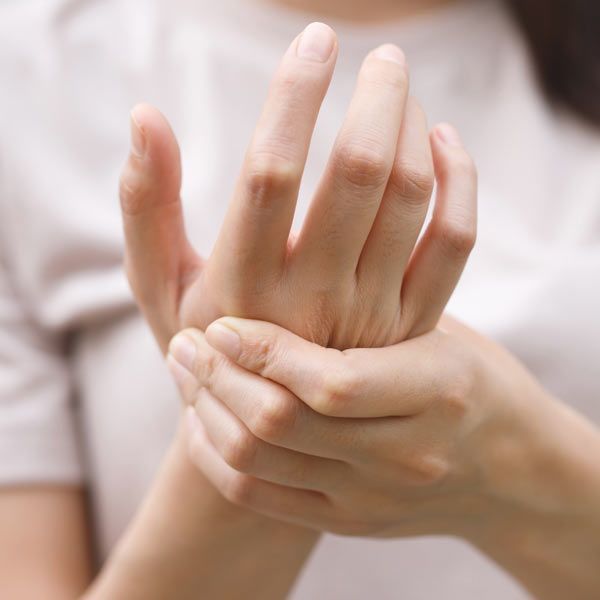
Arthritis Pain Relief
Arthritis pain often develops from chronic inflammation, joint degeneration, or long‑term wear that limits mobility and comfort. Many clients notice stiffness in the morning, swelling around affected joints, or a deep, persistent ache that worsens with movement. These symptoms can make daily tasks feel harder and gradually reduce overall function.
Massage therapy for arthritis focuses on easing tension in the surrounding muscles so the joints can move with less resistance. Improved circulation around the affected area may help reduce swelling and support the body’s natural healing response. Robert begins by assessing which joints are most affected and identifying the muscular patterns contributing to pain. Gentle, controlled techniques are used to avoid aggravating sensitive tissues while still providing therapeutic benefit. Depending on the client’s needs, Robert may incorporate:
- Swedish Massage to reduce general tension and improve circulation.
- Myofascial Release may be used to soften tight connective tissue that restricts joint movement.
- Trigger Point Therapy can help reduce referred pain patterns that often accompany arthritic joints.
- Integrated Manual Therapy may also be applied to restore mobility and support healthier movement patterns.
Over time, consistent treatment can help reduce stiffness, improve flexibility, support healthier joint movement, and make everyday activities feel noticeably more manageable and comfortable.
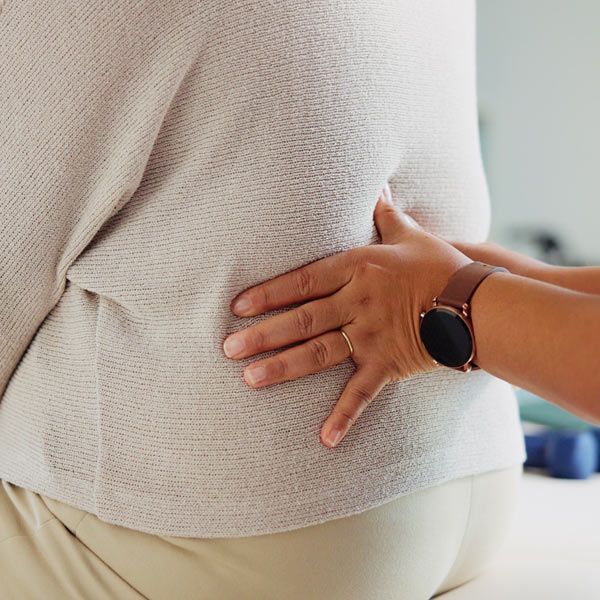
Relief from Back Pain
Back pain is one of the most common issues patients experience, often caused by muscle tension, postural strain, or irritation in the tissues that support the spine. Many patients experience discomfort when bending, lifting, or sitting for prolonged periods. The pain may present as a dull ache, sharp spasm, or radiating sensation, depending on the structures involved. Tight muscles in the lower back, hips, and surrounding areas frequently contribute to ongoing discomfort.
Massage therapy for back pain focuses on reducing tension in the muscles and fascia that stabilize the spine. Robert begins by assessing which movement patterns or daily habits may be contributing to the pain. Gentle, targeted techniques help soften tight tissues and ease strain on the upper and lower back. He also works to release restrictions in the hips and surrounding structures that influence spinal alignment. This approach supports healthier movement mechanics and reduces the compensatory patterns that develop with chronic back pain.
Each session is tailored to the patient’s comfort level to ensure safe and effective progress. Many patients report improved mobility, reduced stiffness, and greater ease during daily activities. Robert may consider these massage modalities:
- Deep Tissue Massage — targets deeper layers of muscle to reduce chronic tension and support healthier spinal mobility.
- Asian Massage — uses rhythmic pressure and stretching to improve circulation and ease tightness throughout the back and hips.
- Structural Alignment and Postural Correction — help restore balanced alignment, reducing strain on the spine and surrounding tissues.
As mobility improves and tension decreases, many patients experience a noticeable reduction in back discomfort and better overall function. With consistent therapy, patients often regain confidence in their ability to move comfortably throughout the day.
Learn more about
Massage Therapy for Back Pain.

Bursitis Pain Relief
Bursitis pain often develops when the small fluid‑filled sacs that cushion the joints become irritated or inflamed. Many clients notice sharp pain around the affected joint, along with swelling, warmth, or tenderness that increases with movement. These symptoms can make lifting, walking, or repetitive motions feel noticeably more difficult. Bursitis commonly occurs in the shoulder, hip, elbow, or knee due to overuse, strain, or prolonged pressure on the joint.
Massage therapy for bursitis focuses on reducing surrounding muscular tension so the inflamed bursa experiences less friction and compression. Robert begins by assessing which muscles are contributing to the irritation and how the joint is being overloaded. Gentle, controlled techniques are used to avoid aggravating the inflamed tissue while still providing therapeutic relief. Improving circulation around the area may help reduce swelling and support the body’s natural healing response.
When appropriate, Robert works to release tight muscle groups that restrict movement or pull unevenly on the joint. This approach helps restore balance and reduces the compensatory patterns that often develop with bursitis. Each session is tailored to the client’s pain level to ensure comfort and safety throughout treatment.
- Myofascial Release — helps reduce tension in the surrounding soft tissue, decreasing pressure on the inflamed bursa and improving joint mobility.
- Swedish Massage — promotes circulation, calms irritation, and eases protective muscle guarding that often develops around painful joints.
- Trigger Point Therapy — targets compensatory tightness that contributes to joint strain and persistent bursitis‑related pain.
Consistent massage therapy can help reduce inflammation, improve joint mobility, support healthier movement patterns, and make daily activities feel more manageable and comfortable.
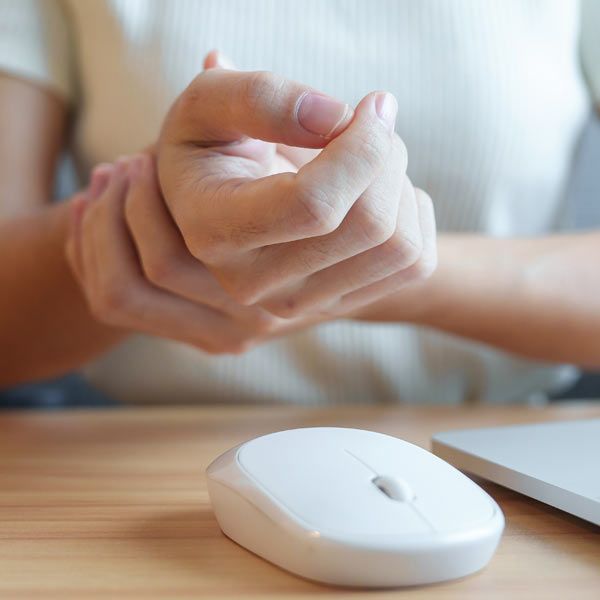
Pain Relief from Carpal Tunnel
Carpal Tunnel Syndrome develops when the median nerve becomes compressed as it passes through the narrow tunnel in the wrist. Many clients notice numbness, tingling, or burning sensations in the thumb, index, and middle fingers. These symptoms often worsen with repetitive hand movements, gripping, typing, or prolonged wrist flexion. Over time, the discomfort can progress into weakness or difficulty holding objects.
Massage therapy for carpal tunnel focuses on reducing tension in the forearm flexors and surrounding soft tissue to relieve pressure on the nerve. Robert begins by assessing which muscles are contributing to the compression and how repetitive strain is affecting the wrist. Gentle, targeted techniques help improve circulation and reduce inflammation around the affected structures. He also works to release tight fascia in the forearm and palm that may be restricting nerve glide.
This approach supports healthier movement patterns and reduces the strain that builds up from daily tasks. Each session is adapted to the client’s sensitivity level to ensure comfort and avoid aggravating irritated tissues. Patients often notice improved hand mobility and reduced numbness as tension decreases. Robert may choose these modalities to treat your Carpal Tunnel.
- Forearm Myofascial Release — softens tight fascia along the flexor muscles to reduce compression on the median nerve and improve wrist mobility.
- Neuromuscular Therapy (NMT) — targets specific points of tension in the forearm and hand that contribute to nerve irritation and repetitive‑strain pain.
- Orthopedic Assessment and Corrective Techniques — helps identify movement restrictions and apply targeted corrective work to reduce nerve compression and improve wrist and forearm function.
Over time, consistent massage treatment can help restore nerve function, reduce repetitive‑strain discomfort, and support healthier wrist mechanics. These improvements can make everyday hand movements feel more natural, more comfortable, and significantly easier to manage.
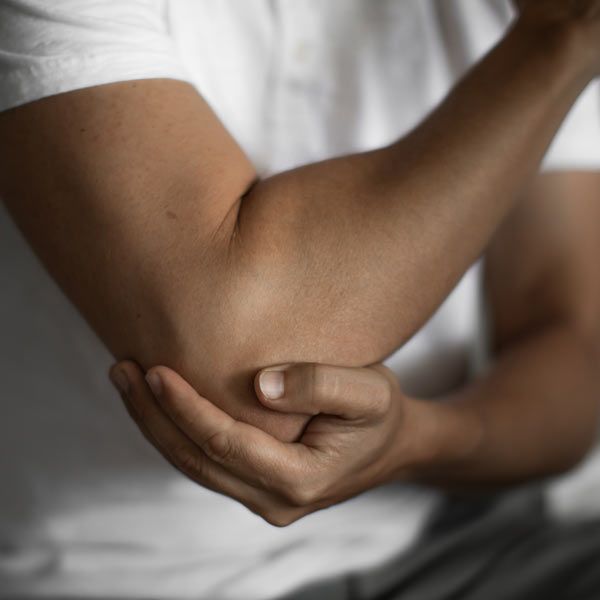
Elbow Pain
Elbow pain often develops from overuse, repetitive strain, or irritation of the tendons and muscles that support the joint. Many Patients experience discomfort during gripping, lifting, or twisting motions that place stress on the forearm and elbow. These symptoms may appear gradually or suddenly, depending on the activity that caused the irritation. Elbow pain is commonly associated with conditions like Tennis Elbow or Golfer’s Elbow, where the tendons become inflamed from repeated strain.
Massage therapy for elbow pain focuses on reducing tension in the forearm muscles that pull on the irritated tendons. Robert begins by assessing which movement patterns contribute to the discomfort and how the surrounding soft tissue responds. Targeted techniques help improve circulation and reduce inflammation around the affected area. He also works to release tight fascia that may restrict movement or increase strain on the elbow joint. This approach helps restore balance in the forearm and reduces the compensatory patterns that often develop with chronic elbow pain.
Each session is tailored to the client’s pain level to ensure safe, effective treatment. Clients often notice improved grip strength and reduced discomfort as tension decreases. Robert may consider these massage modalities:
- Deep Tissue Massage — targets deeper layers of forearm muscle tension that contribute to tendon strain and persistent elbow pain.
- Sports Massage — excellent for repetitive‑strain elbow issues like tennis or golfer’s elbow.
- Tui‑na Massage - great for joint mobility and tendon irritation.
Consistent massage therapy can help reduce tendon irritation, restore healthier movement patterns, and support long‑term elbow function. These improvements can make daily tasks, work activities, and recreational movements feel significantly more comfortable and manageable.

Elbow Tendonitis
Elbow tendonitis develops when the tendons that anchor the forearm muscles to the elbow become irritated from repetitive strain or overuse. Many patients notice pain during gripping, lifting, or twisting motions that place stress on the forearm. These symptoms often begin gradually and worsen with continued activity, especially in work or sports that require repeated wrist or elbow movement. Tendonitis is commonly associated with conditions like Tennis Elbow or Golfer’s Elbow, where the tendons become inflamed from chronic tension.
Massage therapy for elbow tendonitis focuses on reducing muscle tightness that pulls on the irritated tendons. Robert begins by assessing which movement patterns contribute to the strain and how the surrounding soft tissue responds.
Targeted techniques help improve circulation to the affected area and support the healing process. He also works to release tight fascia that may restrict movement or increase tension in the elbow joint. This approach helps restore balance in the forearm and reduces the compensatory patterns that often develop with chronic tendon irritation.
Each session is tailored to the client’s pain level to ensure safe, effective treatment. Clients often notice improved grip strength and reduced discomfort as tension decreases. Robert may consider these massage modalities:
- Trigger Point Therapy — reduces concentrated points of tension in the forearm muscles that overload the elbow tendons.
- Positional Release Massage — gently eases protective muscle guarding to reduce tendon strain and improve comfort.
- Sports Massage — supports recovery from repetitive‑strain activities by improving tissue mobility and reducing chronic forearm tightness.
With repeat visits, massage therapy can help reduce tendon irritation, restore healthier movement patterns, and support long‑term elbow function. These improvements can make daily tasks, work activities, and recreational movements feel significantly more comfortable and manageable.

Fibromyalgia
Fibromyalgia is a chronic condition characterized by widespread pain, heightened sensitivity, and persistent fatigue that can affect daily functioning. Many patients experience muscle tenderness, sleep disturbances, and difficulty concentrating, often referred to as “fibro fog.” These symptoms can fluctuate in intensity, making it challenging to maintain consistent routines or physical activity. The condition is believed to involve an overactive nervous system that amplifies pain signals throughout the body.
Massage therapy for fibromyalgia focuses on calming the nervous system and reducing the muscular tension that contributes to discomfort. Robert begins by assessing areas of heightened sensitivity and determining which techniques will provide relief without overstimulating the tissues. Gentle, supportive work helps improve circulation and ease the stiffness that often accompanies flare‑ups. He also pays close attention to the body’s stress response, using techniques that promote relaxation and reduce overall tension.
This approach helps clients feel more grounded and supported as their symptoms fluctuate. Each session is tailored to the client’s comfort level to ensure a soothing and restorative experience. Many clients report improved sleep, reduced pain intensity, and a greater sense of ease after treatment. Robert may consider these massage modalities:
- CranioSacral Massage — supports the nervous system by using gentle, calming techniques that help reduce pain sensitivity and promote deep relaxation.
- Myofascial Release — softens tight connective tissue that contributes to widespread discomfort and restricted movement.
- Lymphatic Drainage — encourages gentle fluid movement to reduce swelling, ease tenderness, and support overall systemic balance.
Consistent massage therapy can help regulate the body’s stress response, reduce flare‑up frequency, and improve overall quality of life. Many patients find that regular sessions help them feel more comfortable and mobile, and better manage their symptoms day to day.
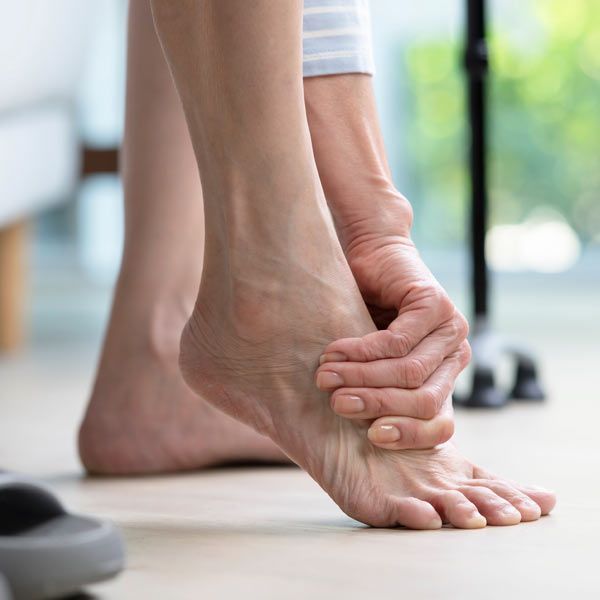
Foot Pain Relief
Foot pain can develop from overuse, poor footwear, structural imbalances, or inflammation in the muscles and connective tissues of the foot. Many patients experience discomfort during walking, standing, or weight‑bearing activities that place stress on the arches and surrounding structures. These symptoms may appear gradually or suddenly depending on the underlying cause. Conditions such as plantar fasciitis, tendon irritation, or joint stiffness often contribute to persistent foot pain.
Massage therapy for foot pain focuses on reducing tension in the muscles and fascia that support the arch and heel. Robert begins by assessing how the foot, ankle, and lower leg are functioning together to identify patterns that may be contributing to discomfort. Targeted techniques help improve circulation and soften tight tissues that restrict movement. He also works to release adhesions and reduce strain on the plantar fascia and surrounding structures. This approach helps restore balance in the foot and reduces compensatory patterns that develop with chronic pain. Each session is tailored to the patient’s comfort level to ensure effective and supportive treatment. Many patients notice improved mobility, reduced soreness, and greater ease during daily activities. Robert may consider these massage modalities:
- Myofascial Release — softens tight connective tissue in the foot and lower leg to reduce strain on the arches and improve mobility.
- Tui‑na Massage — uses targeted pressure and mobilization techniques to ease tension and support healthier foot mechanics.
- Structural Alignment & Postural Correction — addresses imbalances in the feet, ankles, and lower body that contribute to chronic foot pain.
Consistent therapy can help reduce inflammation, improve tissue flexibility, and support long‑term foot function. Many patients find that regular sessions make walking, standing, and daily movement feel significantly more comfortable and stable.

Frozen Shoulder
Frozen shoulder, also known as adhesive capsulitis, is a condition marked by significant stiffness, pain, and restricted movement in the shoulder joint. Many patients notice a gradual loss of mobility that makes everyday tasks like reaching overhead or behind the back increasingly difficult. The condition often develops in stages, beginning with pain and progressing into a period of pronounced stiffness. Inflammation within the shoulder capsule can cause the surrounding tissues to tighten, limiting movement. Massage therapy for frozen shoulder focuses on easing muscular tension and improving mobility in the surrounding structures that support the joint. Robert begins by assessing which movements are most restricted and how the surrounding muscles are compensating. Gentle, targeted work helps soften tight tissues and reduce the discomfort associated with a limited range of motion. He also addresses the upper back, chest, and neck to relieve strain that contributes to shoulder immobility. This approach supports healthier movement patterns and reduces the protective guarding that often develops with chronic pain. Each session is tailored to the patient’s tolerance to ensure safe and effective progress. Many patients experience gradual improvements in mobility and a reduction in pain as the tissues respond to treatment. Robert may consider these massage modalities:
- Integrated Manual Therapy — supports joint mobility by addressing soft‑tissue restrictions that limit shoulder movement.
- Orthopedic Assessment and Corrective Techniques — identifies dysfunctional movement patterns and applies corrective work to improve shoulder mechanics.
- Total Body Balancing — helps restore overall structural harmony and reduce compensatory patterns that contribute to shoulder restriction.
Regular massage therapy visits will help reduce inflammation, improve shoulder mobility, and support long‑term recovery from frozen shoulder. Many patients find that regular sessions make daily activities feel more manageable as movement gradually returns.

Headaches
Headaches can develop from muscle tension, stress, posture imbalances, or restrictions in the neck and upper back that place strain on surrounding tissues. Many patients experience pressure behind the eyes, tightness at the base of the skull, or throbbing discomfort that disrupts daily activities. These symptoms may appear gradually or suddenly depending on the underlying cause. Tension headaches are especially common and often stem from tight muscles that pull on sensitive structures around the head and neck.
Massage therapy for headaches focuses on reducing muscular tension and improving circulation in the areas that contribute to discomfort. Robert begins by assessing which muscles are overactive and how posture or movement patterns may be influencing the pain. Gentle, targeted work helps soften tight tissues and ease the pressure that builds around the head and neck. He also addresses the shoulders and upper back to relieve strain that can radiate upward and trigger headaches. This approach supports healthier movement patterns and reduces the frequency of tension‑related symptoms.
Each session is tailored to the patient’s sensitivity level to ensure a calming and effective experience. Many patients report reduced intensity and improved clarity as the tissues respond to treatment. Robert may consider these massage modalities:
- Shiatsu Massage — applies rhythmic pressure along key points to reduce tension and support overall relaxation in the head and neck.
- CranioSacral Massage — uses gentle techniques to calm the nervous system and ease pressure around the skull and upper spine.
- Acupressure Massage — targets specific points associated with headache relief to reduce discomfort and promote balanced energy flow.
Relief often becomes more noticeable as the surrounding muscles release tension and the body settles into healthier alignment. Over time, many patients find that regular sessions help reduce headache frequency and make daily activities feel more manageable.
Learn more about Massage Therapy for Headaches.

Pain Relief from Hernias
Hernias occur when internal tissue pushes through a weakened area of muscle, often creating discomfort, pressure, or localized pain. Many patients notice symptoms during lifting, bending, or twisting movements that increase abdominal strain. The discomfort may feel sharp, achy, or like a pulling sensation, depending on the severity and location of the hernia. While massage therapy cannot treat or reduce a hernia itself, it can help ease the surrounding muscular tension that contributes to discomfort. Patients often develop compensatory tightness in the hips, abdomen, and lower back as the body attempts to protect the weakened area.
Massage therapy focuses on reducing this secondary tension to support more comfortable movement. Robert begins by assessing which muscles are overworking and how posture or daily activities may be contributing to the strain. Gentle, supportive techniques help soften tight tissues without directly applying pressure to the hernia site. He also works to improve circulation and ease restrictions in nearby areas that may be contributing to discomfort. This approach helps patients feel more balanced and reduces the guarding that often develops around the affected region.
Each session is tailored to ensure safety and avoid aggravating the hernia. Many patients report improved comfort and reduced tension as the surrounding tissues respond to treatment. Robert may consider these massage modalities:
- Positional Release Massage — gently reduces protective muscle guarding around the abdomen and lower back without stressing the hernia site.
- Total Body Balancing — supports overall structural harmony, reducing compensatory strain patterns that develop from guarding.
- Visceral Manipulation — uses subtle, gentle techniques to ease tension in the surrounding soft tissues and support more comfortable movement.
As the surrounding muscles relax, many patients experience a noticeable reduction in discomfort and improved ease during daily activities. Over time, supportive therapy can help patients move with greater confidence while they follow their medical provider’s recommendations for managing the hernia.

Pain Relief from Herniated Discs
Herniated discs occur when the soft inner material of a spinal disc pushes through its outer layer, often irritating nearby nerves and creating significant discomfort. Many patients experience sharp pain, numbness, or tingling that radiates into the arms or legs, depending on the disc’s location. These symptoms can worsen with bending, lifting, or prolonged sitting, which increases pressure on the spine. While massage therapy cannot reposition or repair a herniated disc, it can help reduce the muscular tension that contributes to nerve irritation. Patients often develop tightness in the surrounding muscles as the body attempts to protect the affected area.
Massage therapy focuses on easing this secondary tension to support more comfortable movement. Robert begins by assessing which muscles are overworking and how posture or daily habits may be influencing the pain. Gentle, targeted techniques help soften tight tissues without placing direct pressure on the disc itself. He also works to improve circulation and reduce restrictions in the hips, back, and neck that may be contributing to nerve compression. This approach helps restore balance in the surrounding structures and reduces the guarding that often accompanies disc‑related pain.
Each session is tailored to ensure safety and avoid aggravating the affected area. Many patients report improved mobility and reduced discomfort as the surrounding tissues respond to treatment. Robert may consider these massage modalities:
- Deep Tissue Massage — addresses chronic muscular tension that increases pressure around the spine and contributes to nerve irritation.
- CranioSacral Massage — uses gentle techniques to calm the nervous system and reduce tension patterns associated with disc‑related pain.
- Orthopedic Assessment & Corrective Techniques — identifies dysfunctional movement patterns and applies corrective work to support healthier spinal mechanics.
As muscular tension decreases, many patients notice improved comfort and greater ease during daily activities. With consistent therapy, patients often experience better mobility and feel more supported as they follow their medical provider’s recommendations for managing a herniated disc.

Pain Relief from Hip Pain
Hip pain can develop from muscle tension, joint irritation, overuse, or imbalances in the surrounding structures that support the pelvis and lower body. Many patients experience discomfort during walking, standing, or transitioning from sitting to standing. The pain may feel sharp, achy, or radiating, depending on the tissues involved. Conditions such as bursitis, tendon irritation, or tight hip flexors often contribute to ongoing discomfort.
Massage therapy for hip pain focuses on reducing tension in the muscles and fascia that stabilize the pelvis and upper leg. Robert begins by assessing how the hips, lower back, and legs are functioning together to identify patterns that may be contributing to the pain. Targeted techniques help soften tight tissues and improve circulation in the affected areas. He also works to release restrictions in the glutes, hip flexors, and surrounding structures that influence hip mobility. This approach supports healthier movement patterns and reduces compensatory strain throughout the lower body.
Each session is tailored to the patient’s comfort level to ensure safe and effective progress. Many patients notice improved mobility, reduced stiffness, and greater ease during daily activities. Robert may consider these massage modalities:
- Tui‑na Massage — uses focused pressure and mobilization techniques to ease tension and support healthier hip mechanics.
- Structural Alignment & Postural Correction — addresses imbalances in the pelvis and lower body that contribute to chronic hip discomfort.
- Sports Massage — reduces muscular tightness from overuse and supports improved mobility in the hip and surrounding tissues.
As mobility improves, many patients experience a noticeable reduction in discomfort and greater confidence in their movement. Over time, consistent therapy can help restore balance in the hips and support long‑term comfort during daily and recreational activities.

Pain Relief from Knee Pain
Knee pain can develop from overuse, joint irritation, muscle imbalances, or strain in the surrounding structures that support the knee. Many patients experience discomfort during walking, climbing stairs, or standing for long periods. The pain may feel sharp, achy, or unstable depending on the tissues involved. Conditions such as tendonitis, ligament strain, or tight quadriceps and hamstrings often contribute to ongoing knee discomfort.
Massage therapy for knee pain focuses on reducing tension in the muscles and fascia that influence knee alignment and movement. Robert begins by assessing how the hips, knees, and ankles are working together to identify patterns that may be contributing to the pain. Targeted techniques help soften tight tissues and improve circulation in the affected areas. He also works to release restrictions in the quadriceps, hamstrings, calves, and surrounding structures that place stress on the knee joint. This approach supports healthier movement patterns and reduces compensatory strain throughout the lower body.
Each session is tailored to the patient’s comfort level to ensure safe and effective progress. Many patients notice improved stability, reduced stiffness, and greater ease during daily activities. Robert may consider these massage modalities:
- Sports Massage — reduces muscular tightness from overuse and supports improved mobility in the knee and surrounding tissues.
- Positional Release Massage — gently eases protective muscle guarding that contributes to knee discomfort and restricted movement.
- Total Body Balancing — helps restore structural harmony in the lower body, reducing compensatory patterns affecting the knee.
As balance improves throughout the legs and hips, many patients experience a noticeable reduction in discomfort and greater confidence in their movement. With ongoing therapy, patients often find that daily activities feel more stable and significantly more comfortable.
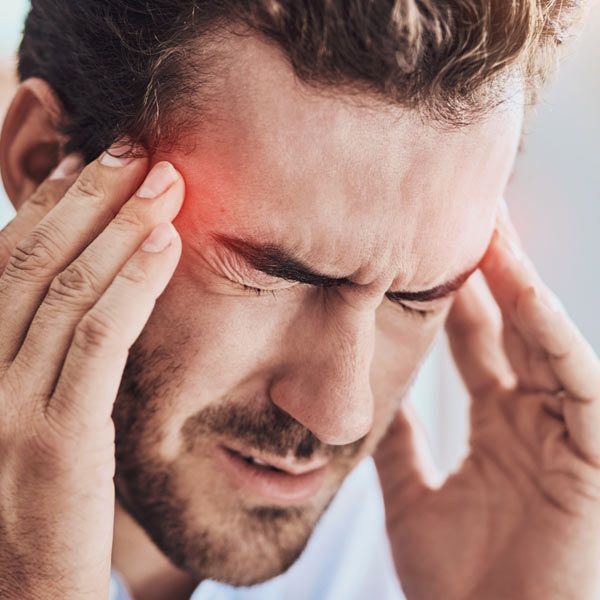
Pain Relief from Migraines
Migraines are a neurological condition characterized by intense, throbbing pain that can affect one or both sides of the head. Many patients experience additional symptoms such as nausea, light sensitivity, sound sensitivity, or visual disturbances. These episodes can last for hours or even days, significantly disrupting daily routines. While the exact cause of migraines varies, factors such as stress, muscle tension, hormonal changes, and environmental triggers often play a role.
Massage therapy for migraines focuses on calming the nervous system and reducing the muscular tension that contributes to headache intensity. Robert begins by assessing patterns in the neck, shoulders, and upper back that may be influencing the frequency or severity of migraine episodes. Gentle, targeted techniques help soften tight tissues and ease pressure around the head and neck. He also works to improve circulation and reduce restrictions that may be contributing to nerve irritation. This approach supports a more balanced response within the nervous system and helps reduce the buildup of tension that can trigger migraines.
Each session is tailored to the patient’s sensitivity level to ensure a soothing and supportive experience. Many patients report decreased intensity and improved recovery after treatment. Robert may consider these massage modalities:
- CranioSacral Massage — uses subtle, gentle techniques to calm the nervous system and reduce pressure patterns associated with migraines.
- Acupressure Massage — targets specific points associated with migraine relief to ease discomfort and support balanced energy flow.
- Integrated Manual Therapy — addresses soft‑tissue restrictions in the neck and upper back that contribute to migraine‑related tension.
As the surrounding tissues release and the nervous system settles, many patients experience a noticeable reduction in migraine intensity. Over time, consistent therapy can help patients feel more resilient and better equipped to manage their symptoms.
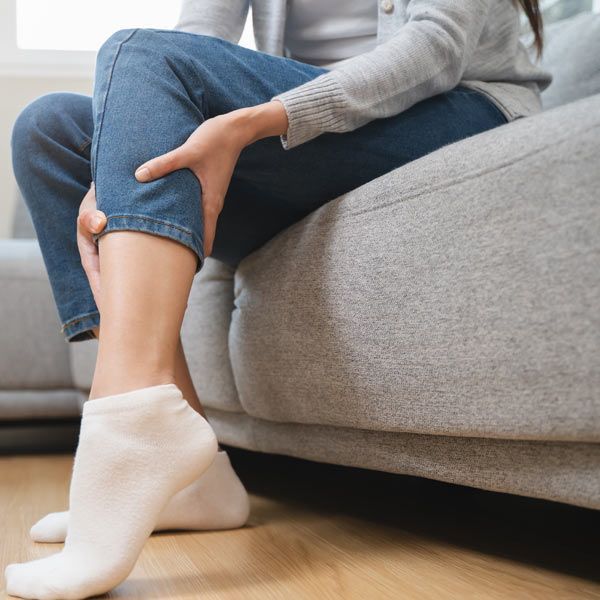
Pain Relief from Muscle Cramps
Muscle cramps are sudden, involuntary contractions that create sharp, intense pain and can affect mobility for several minutes. Many patients experience cramps during physical activity, at night, or after prolonged sitting or standing. These episodes often stem from muscle fatigue, dehydration, or electrolyte imbalances. Tight or overworked muscles can also contribute to recurring cramps, especially in the legs and feet.
Massage therapy for muscle cramps focuses on reducing tension in the affected muscles and improving circulation to support recovery. Robert begins by assessing which muscles are prone to cramping and what movement patterns may be contributing to the issue. Gentle, targeted techniques help soften tight tissues and ease lingering soreness following a cramp. He also works to release restrictions in surrounding areas that may be placing additional strain on the affected muscles. This approach supports healthier muscle function and reduces the likelihood of recurring episodes.
Each session is tailored to the patient’s comfort level to ensure safe and effective relief. Many patients report improved flexibility and fewer episodes of cramping as the tissues respond to treatment. Robert may consider these massage modalities:
- Tui‑na Massage — uses rhythmic pressure and mobilization to ease tension and support healthier muscle function.
- Acupressure Massage — targets specific points associated with muscle relaxation to reduce cramp frequency and intensity.
- Sports Massage — addresses overworked muscles and supports improved circulation to help prevent future cramping.
As circulation improves and tension decreases, many patients experience quicker recovery and greater comfort during daily activities. With consistent therapy, patients often feel more resilient and better able to manage the factors that contribute to recurring muscle cramps.

Pain Relief from Muscle Strain and Muscle Pain
Muscle strain and muscle pain often develop when fibers are overstretched, overworked, or exposed to sudden force that exceeds their capacity. Many patients experience sharp discomfort at the moment of injury followed by lingering soreness, stiffness, or reduced mobility. These symptoms can affect any area of the body depending on the activity or movement that caused the strain. Overuse, poor posture, and repetitive motions frequently contribute to ongoing muscle pain.
Massage therapy for muscle strain focuses on reducing tension, improving circulation, and supporting the healing process in the affected tissues. Robert begins by assessing which muscles are involved and how surrounding structures may be compensating. Gentle, targeted techniques help soften tight fibers and ease the protective guarding that often develops after an injury. He also works to release restrictions in nearby areas that may be contributing to the discomfort. This approach supports healthier movement patterns and reduces the strain placed on healing tissues.
Each session is tailored to the patient’s comfort level to ensure safe and effective progress. Many patients notice improved flexibility, reduced soreness, and greater ease during daily activities. Robert may consider these massage modalities:
- Deep Tissue Massage — addresses chronic tension and helps reduce strain on overworked muscles to support recovery.
- Orthopedic Assessment & Corrective Techniques — identifies dysfunctional movement patterns and applies corrective work to improve muscle function.
- Integrated Manual Therapy — supports balanced soft‑tissue mobility to reduce compensatory stress around the injured area.
As circulation improves and tension decreases, many patients experience quicker recovery and more comfortable movement. With consistent therapy, patients often regain strength and feel more confident returning to their regular activities.

Relief from Neck Pain
Neck pain often develops from muscle tension, poor posture, stress, or restricted movement in the cervical spine. Many patients experience stiffness, limited range of motion, or discomfort that radiates into the shoulders or upper back. These symptoms may worsen with long hours at a desk, repetitive movements, or sleeping in awkward positions. Tight muscles in the neck and surrounding areas can place strain on sensitive structures and contribute to ongoing discomfort.
Massage therapy for neck pain focuses on reducing muscular tension and improving mobility in the tissues that support the head and upper spine. Robert begins by assessing which muscles are overactive and how posture or daily habits may be influencing the pain. Gentle, targeted techniques help soften tight tissues and ease the pressure that builds around the neck and shoulders. He also works to release restrictions in the upper back and chest that may be contributing to forward‑head posture. This approach supports healthier alignment and reduces the strain placed on the cervical spine.
Each session is tailored to the patient’s comfort level to ensure safe and effective progress. Many patients report improved mobility, reduced stiffness, and greater ease during daily activities. Robert may consider these massage modalities:
- CranioSacral Massage — uses subtle, gentle techniques to calm the nervous system and ease tension patterns in the neck and upper spine.
- Tui‑na Massage — applies rhythmic pressure and mobilization to reduce muscular tightness and support healthier neck mechanics.
- Orthopedic Assessment and Corrective Techniques — identifies dysfunctional movement patterns and applies corrective work to improve cervical alignment.
As mobility improves and tension decreases, many patients experience a noticeable reduction in discomfort and better overall neck function. Over time, consistent therapy can help patients feel more balanced, more comfortable, and better supported in their daily routines.
Learn more about
Massage Therapy for Neck Pain.
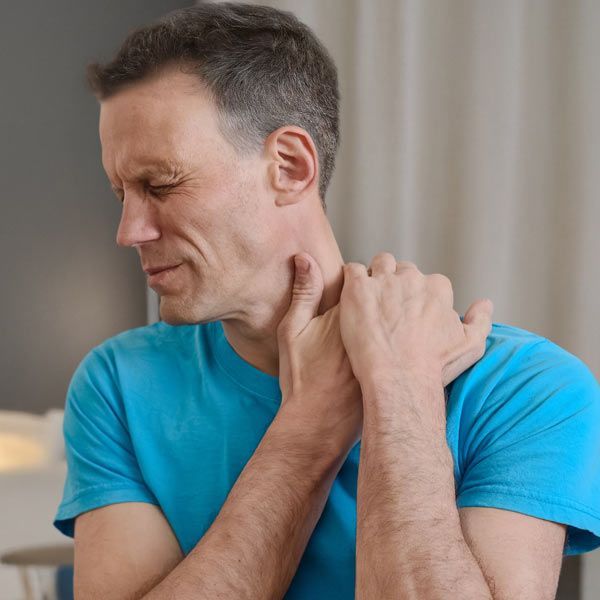
Pain Relief from Pinched Nerves
Pinched nerves occur when surrounding muscles, tendons, or other tissues press on a nerve, causing sharp, radiating, or tingling discomfort. Many patients experience symptoms that travel into the arms, legs, or back, depending on the nerve involved. These sensations may worsen with certain movements, prolonged sitting, or repetitive activities that increase compression. Muscle tightness, inflammation, and postural imbalances often contribute to ongoing nerve irritation.
Massage therapy for pinched nerves focuses on reducing muscle tension and soft‑tissue restrictions that put pressure on the affected nerve. Robert begins by assessing which muscles are overactive and how posture or daily habits may be influencing the compression. Gentle, targeted techniques help soften tight tissues and create more space around the irritated nerve. He also works to improve circulation and ease restrictions in surrounding areas that may be contributing to the discomfort. This approach supports healthier movement patterns and reduces the guarding that often develops when nerves are irritated.
Each session is tailored to the patient’s comfort level to ensure safe and effective progress. Many patients report reduced tingling, improved mobility, and greater ease during daily activities. Robert may consider these massage modalities:
- Positional Release Massage — gently reduces protective muscle guarding that contributes to nerve compression and discomfort.
- Integrated Manual Therapy — supports balanced soft‑tissue mobility to ease pressure on irritated nerves and improve overall function.
- Structural Alignment & Postural Correction — addresses imbalances that place chronic strain on nerves and surrounding tissues.
As tension decreases and alignment improves, many patients experience a noticeable reduction in nerve‑related symptoms. Over time, consistent therapy can help restore comfort, mobility, and confidence in daily movement.
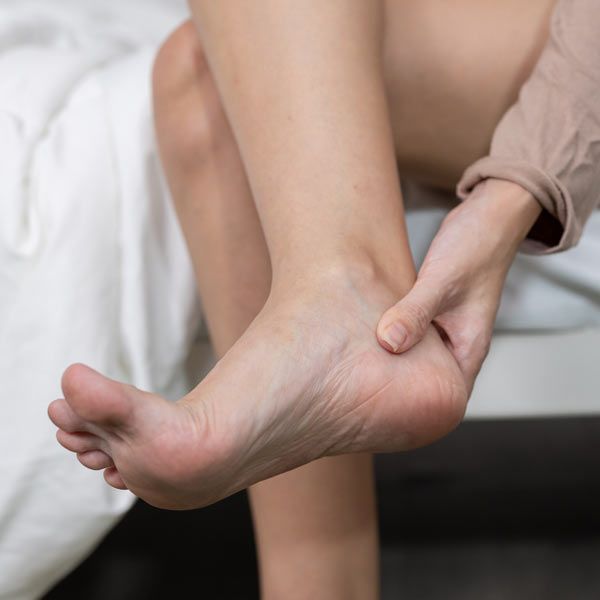
Pain Relief from Plantar Fasciitis
Plantar fasciitis is a common condition marked by sharp heel pain caused by irritation or inflammation of the plantar fascia along the bottom of the foot. Many patients notice the pain most intensely during the first steps in the morning or after long periods of rest. The discomfort often develops from overuse, poor footwear, tight calf muscles, or structural imbalances in the feet and ankles. These factors place excess strain on the fascia and contribute to ongoing irritation.
Massage therapy for plantar fasciitis focuses on reducing tension in the muscles and connective tissues that support the arch and heel. Robert begins by assessing how the foot, ankle, and lower leg are functioning together to identify patterns that may be contributing to the pain. Gentle, targeted techniques help soften tight tissues and improve circulation in the affected areas. He also works to release restrictions in the calves and surrounding structures that increase strain on the plantar fascia. This approach supports healthier foot mechanics and reduces the compensatory patterns that develop with chronic heel pain.
Each session is tailored to the patient’s comfort level to ensure safe and effective progress. Many patients report improved mobility, reduced soreness, and greater ease during daily activities. Robert may consider these massage modalities:
- Tui‑na Massage — applies rhythmic pressure and mobilization to ease tension and support healthier foot mechanics.
- Myofascial Release — gently softens tight connective tissue in the foot and lower leg to reduce strain on the plantar fascia.
- Sports Massage — targets overworked muscles in the calves and feet to improve flexibility and reduce heel discomfort.
As the surrounding tissues release and circulation improves, many patients experience a noticeable reduction in morning pain and stiffness. With consistent therapy, patients often regain comfort and stability during walking, standing, and daily movement.

Pain Relief from Rotator Cuffs
Rotator cuff pain often develops when the muscles and tendons that stabilize the shoulder become irritated, strained, or overloaded. Many patients experience discomfort when lifting the arm, reaching overhead, or performing repetitive motions. The pain may feel sharp during movement or achy at rest, depending on the severity of the irritation. Weakness, stiffness, and reduced range of motion are also common symptoms.
Massage therapy for rotator cuff pain focuses on reducing tension in the surrounding muscles and improving mobility in the tissues that support the shoulder joint. Robert begins by assessing which movements are most restricted and how the surrounding structures are compensating. Gentle, targeted techniques help soften tight tissues and ease the strain placed on the rotator cuff. He also works to release restrictions in the upper back, chest, and neck that may be contributing to shoulder dysfunction. This approach supports healthier shoulder mechanics and reduces the compensatory patterns that develop with chronic pain.
Each session is tailored to the patient’s comfort level to ensure safe and effective progress. Many patients report improved mobility, reduced discomfort, and greater ease during daily activities. Robert may consider these massage modalities:
- Sports Massage — reduces muscular tightness from overuse and supports improved mobility in the shoulder and surrounding tissues.
- Integrated Manual Therapy — addresses soft‑tissue restrictions that limit shoulder movement and contribute to rotator cuff strain.
- Total Body Balancing — helps restore overall structural harmony to reduce compensatory patterns affecting the shoulder.
As mobility improves and tension decreases, many patients experience a noticeable reduction in shoulder discomfort and better functional movement. With consistent therapy, patients often regain strength and confidence in their ability to use the shoulder comfortably.

Shoulder Pain Relief
Shoulder pain can develop from muscle tension, joint irritation, overuse, or imbalances in the surrounding structures that support the upper body. Many patients experience discomfort when lifting the arm, reaching overhead, or performing repetitive motions. The pain may feel sharp, achy, or radiating, depending on the tissues involved. Conditions such as tendon irritation, poor posture, or restricted mobility in the upper back often contribute to ongoing shoulder discomfort.
Massage therapy for shoulder pain focuses on reducing tension in the muscles and fascia that stabilize the shoulder joint. Robert begins by assessing how the shoulder, neck, and upper back are functioning together to identify patterns that may be contributing to the pain. Gentle, targeted techniques help soften tight tissues and ease the strain placed on the shoulder. He also works to release restrictions in the chest and surrounding structures that influence shoulder alignment. This approach supports healthier movement patterns and reduces compensatory strain throughout the upper body.
Each session is tailored to the patient’s comfort level to ensure safe and effective progress. Many patients notice improved mobility, reduced stiffness, and greater ease during daily activities. Robert may consider these massage modalities:
- Tui‑na Massage — applies rhythmic pressure and mobilization to reduce muscular tightness and support healthier shoulder mechanics.
- CranioSacral Massage — uses gentle techniques to calm the nervous system and ease tension patterns that contribute to shoulder discomfort.
- Orthopedic Assessment and Corrective Techniques — identifies dysfunctional movement patterns and applies corrective work to improve shoulder alignment and function.
As mobility improves and tension decreases, many patients experience a noticeable reduction in shoulder discomfort and better overall upper‑body movement. Over time, consistent therapy can help patients feel more stable, more comfortable, and better supported in their daily routines.
Learn more about Massage Therapy for Shoulder Pain.
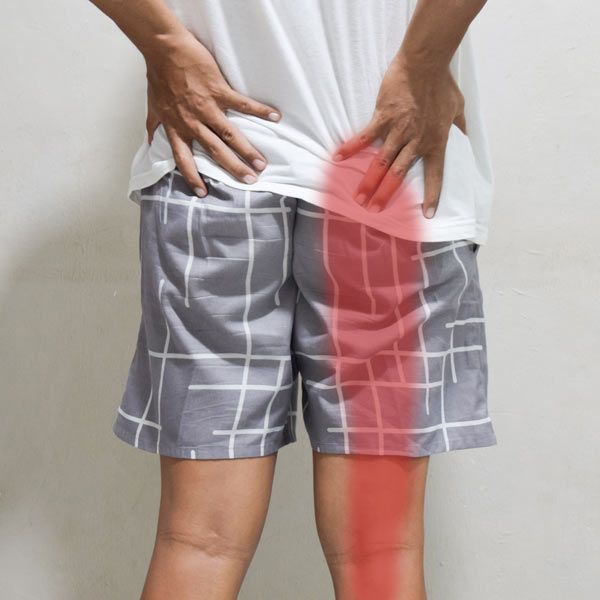
Sciatica Pain Relief
Sciatica occurs when the sciatic nerve becomes irritated or compressed, creating sharp, radiating pain that travels from the lower back into the hips, legs, or feet. Many patients experience numbness, tingling, or burning sensations along the nerve pathway. These symptoms often worsen with prolonged sitting, bending, or sudden movements that increase pressure on the lower spine. Muscle tightness, disc irritation, and postural imbalances frequently contribute to ongoing sciatic discomfort.
Massage therapy for sciatica focuses on reducing tension in the muscles and fascia that surround the lower back and hips. Robert begins by assessing which structures are contributing to nerve irritation and how movement patterns may be affecting the pain. Gentle, targeted techniques help soften tight tissues and create more space around the sciatic nerve. He also works to release restrictions in the glutes, hip rotators, and lower back that commonly compress or irritate the nerve. This approach supports healthier movement patterns and reduces the guarding that often develops with nerve‑related pain.
Each session is tailored to the patient’s comfort level to ensure safe and effective progress. Many patients report reduced radiating pain, improved mobility, and greater ease during daily activities. Robert may consider these massage modalities:
- Myofascial Release — gently softens tight connective tissue to reduce pressure on the sciatic nerve and surrounding structures.
- Positional Release Massage — eases protective muscle guarding that contributes to nerve compression and radiating discomfort.
- Integrated Manual Therapy — supports balanced soft‑tissue mobility to improve lower‑body alignment and reduce sciatic irritation.
As tension decreases and mobility improves, many patients experience a noticeable reduction in radiating symptoms and greater comfort during movement. With consistent therapy, patients often regain confidence in their ability to sit, stand, and walk without triggering sciatic pain.
Learn more about
Massage Therapy for Sciatica.

Pain Relief for Tendonitis
Tendonitis occurs when a tendon becomes irritated from repetitive motion, overuse, or sudden increases in physical activity. Many patients experience localized pain, swelling, or stiffness that worsens with movement. These symptoms often develop gradually as the tendon becomes overloaded. Tight or overactive muscles surrounding the tendon can increase strain and prolong discomfort.
Massage therapy for tendonitis focuses on reducing tension in the muscles that attach to and support the irritated tendon. Robert begins by assessing which movement patterns or postural habits may be contributing to the irritation. Gentle, targeted techniques help soften tight tissues and improve circulation around the affected area. He also works to release restrictions in nearby structures that may be increasing stress on the tendon. This approach supports healthier movement mechanics and reduces the compensatory patterns that often develop with chronic irritation.
Each session is tailored to the patient’s comfort level to ensure safe and effective progress. Many patients report reduced soreness, improved mobility, and greater ease during daily activities. Robert may consider these massage modalities:
- Amatsu Massage — uses gentle, whole‑body balancing techniques to reduce strain on irritated tendons and surrounding tissues.
- Ayurvedic Massage — applies warm, rhythmic strokes to ease muscular tension and support healthier soft‑tissue mobility.
- Visceral Manipulation — addresses deep fascial restrictions that may indirectly increase tension on the tendon and surrounding structures.
As circulation improves and tension decreases, many patients experience a noticeable reduction in irritation and greater comfort during movement. With consistent therapy, patients often regain confidence in their ability to use the affected area without triggering tendon pain.
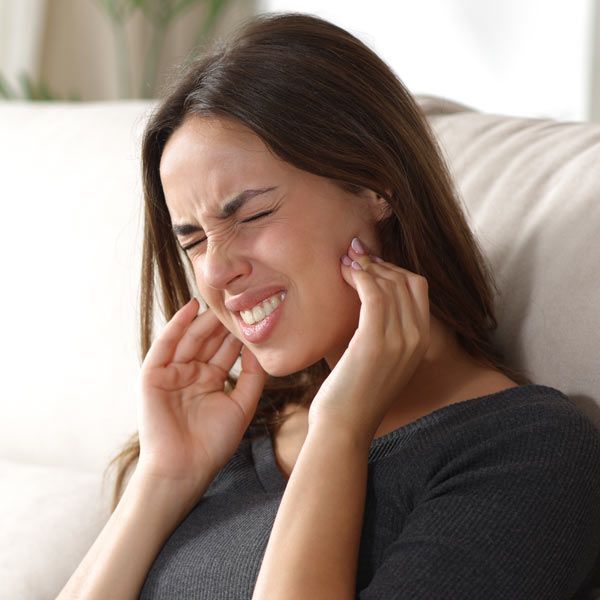
Pain Relief from TMJ and Jaw Pain
TMJ and jaw pain often develop when the muscles surrounding the temporomandibular joint become tight, irritated, or overworked. Many patients experience discomfort when chewing, talking, or opening their mouths wide. These symptoms may also be accompanied by clicking, popping, or tension radiating to the face, neck, or head. Stress, teeth grinding, and postural imbalances frequently contribute to ongoing jaw discomfort.
Massage therapy for TMJ and jaw pain focuses on reducing tension in the muscles that control jaw movement and support the surrounding structures. Robert begins by assessing which muscles are overactive and how daily habits may be influencing the pain. Gentle, targeted techniques help soften tight tissues and ease the strain placed on the jaw. He also works to release restrictions in the neck and upper shoulders that often contribute to TMJ‑related tension. This approach supports healthier jaw mechanics and reduces the compensatory patterns that develop with chronic irritation.
Each session is tailored to the patient’s comfort level to ensure safe and effective progress. Many patients report reduced tension, improved jaw mobility, and greater ease during daily activities. Robert may consider these massage modalities:
- CranioSacral Massage — uses gentle, precise techniques to calm the nervous system and ease tension patterns affecting the jaw and surrounding structures.
- Myofascial Release — softens tight connective tissue in the jaw, neck, and face to reduce strain on the temporomandibular joint.
- Trigger Point Therapy — targets specific points in the jaw and neck muscles that commonly refer pain into the face and head.
As the surrounding tissues release and mobility improves, many patients experience a noticeable reduction in jaw discomfort and tension. With consistent therapy, patients often regain comfort and stability during speaking, chewing, and daily movement.
Learn more about TMJ and Jaw Pain Massage Therapy.

Wrist Pain Relief
Wrist pain often develops from repetitive motion, overuse, or strain placed on the small muscles and tendons that support the hand and forearm. Many patients experience discomfort during gripping, typing, lifting, or twisting movements. These symptoms may also include stiffness, weakness, or tingling, depending on the structures involved. Poor ergonomics, inflammation, and muscle tightness in the forearm frequently contribute to ongoing wrist discomfort.
Massage therapy for wrist pain focuses on reducing tension in the muscles and fascia that influence wrist movement. Robert begins by assessing which motions aggravate the pain and how the surrounding tissues are compensating. Gentle, targeted techniques help soften tight fibers and ease strain on the wrist joint. He also works to release restrictions in the forearm, hand, and elbow that may be contributing to the discomfort. This approach supports healthier movement patterns and reduces the stress placed on irritated tissues.
Each session is tailored to the patient’s comfort level to ensure safe and effective progress. Many patients report improved mobility, reduced soreness, and greater ease during daily activities. Robert may consider these massage modalities:
- Neuromuscular Therapy — targets specific muscular trigger points in the forearm and hand that commonly refer pain into the wrist.
- Tui‑na Massage — applies rhythmic pressure and mobilization to improve soft‑tissue mobility and support healthier wrist mechanics.
- Lymphatic Drainage — gently reduces swelling and inflammation that may be contributing to wrist discomfort.
As circulation improves and tension decreases, many patients experience a noticeable reduction in pain and better functional movement. With consistent therapy, patients often regain comfort and confidence in using their wrist for daily tasks.
What Can Happen If Pain from Injuries Is Not Treated?
Untreated pain can gradually worsen as the body adapts by creating compensatory movement patterns that place stress on surrounding muscles and joints. Many patients begin to experience reduced mobility, stiffness, or weakness when discomfort is ignored for too long. Over time, the affected area may become inflamed or irritated, making daily activities more difficult and uncomfortable.
Chronic tension can also place pressure on nearby nerves, leading to radiating pain, tingling, or numbness. When pain persists, the body often shifts into protective postures that create new areas of strain. These patterns can limit range of motion and make simple tasks feel increasingly challenging. Untreated pain may also interfere with sleep, energy levels, and overall quality of life. Some patients notice that their discomfort begins to affect their mood or ability to focus throughout the day. Early intervention helps prevent these issues from becoming long‑term problems.
Massage therapy supports healthier movement, reduces tension, and helps restore balance before symptoms escalate. Addressing pain promptly allows the body to recover more efficiently and reduces the risk of chronic irritation. Many patients find that seeking care early leads to faster relief and better long‑term outcomes.
Why Patients Choose Robert Pineau, LMT, for Pain Relief Massage Therapy
Patients choose Robert Pineau for pain relief because his work is grounded in advanced clinical training and a deep understanding of how the body responds to stress, tension, and injury. His education places him in the top one percent of massage therapists, giving him a level of anatomical and therapeutic insight that most practitioners lack. Patients appreciate that he approaches every session with a clear assessment strategy rather than a generic routine. His background in medical massage, neurology, kinesiology, and pathology enables him to identify the root cause of discomfort rather than simply treating surface symptoms.
Many patients come to him after trying other therapies without success and find that his methodical, hands‑on approach finally brings meaningful relief. He listens carefully to each patient’s history, movement patterns, and daily habits to understand how pain developed and how it can be resolved. His treatments are purposeful, precise, and tailored to the patient’s comfort level, ensuring safe and effective progress. Patients value the calm, steady presence he brings to each session, creating an environment where the body can release tension and begin to heal.
His advanced training in modalities such as Visceral Manipulation and Structural Alignment allows him to address deeper patterns that often contribute to chronic pain. He also focuses on restoring balance in surrounding tissues so the body can move more freely and efficiently. Many patients report improved mobility, reduced discomfort, and a renewed sense of confidence in their daily activities. Overall, they chose Robert because he combines exceptional clinical skill with a patient‑centered approach that consistently delivers results.
Pain Relief Massage Therapy FAQs
- How does massage therapy help reduce pain? - Massage therapy helps reduce pain by calming the nervous system, improving circulation, and releasing tension in muscles and connective tissues. When these structures soften, pressure on nerves decreases, and movement becomes easier. This combination supports healthier function and reduces the discomfort that builds up from stress, injury, or overuse.
- How many sessions does it usually take to feel relief? - Many patients feel noticeable improvement within one to three sessions, especially when pain is related to muscle tension or restricted movement. Chronic or long‑standing issues may require a more gradual approach as the body unwinds old patterns. Robert always evaluates your progress and adjusts the plan to ensure each session builds toward lasting relief.
- What can I expect during a pain relief session? - A pain relief session begins with a brief assessment so Robert can understand where the discomfort is coming from and how your body is compensating. He uses targeted, clinically informed techniques to release tension, improve mobility, and restore balance in the affected areas. The work is precise, steady, and tailored to your comfort level so your body can relax and respond effectively.
- Is pain relief massage safe for chronic or long‑term conditions? - Yes, pain relief massage is safe for most chronic conditions when performed by a trained clinical practitioner. Robert adjusts pressure, pacing, and technique based on your medical history and current symptoms. His goal is to support your body without aggravating sensitive tissues, making the process both safe and effective.
- What happens if pain‑related injuries are not treated? - When pain is ignored, the body often compensates by shifting movement patterns, which can create new areas of strain. Over time, this may lead to stiffness, reduced mobility, inflammation, or nerve irritation. Early treatment helps prevent these issues from becoming long‑term problems and supports healthier, more efficient movement.

Contact Robert Pineau for a Free Massage Pain Relief Consultation
If you are ready to understand the cause of your discomfort and explore how massage therapy can help, Robert invites you to reach out for a free consultation. He will take the time to listen, assess your concerns, and guide you toward the most effective approach for your pain relief goals. Patients appreciate his calm, clinical, and supportive style from the very first conversation. Contact Robert today to schedule your complimentary consultation and take the first step toward feeling better.
Please contact us today.
Additional References
- Massage Therapy for Health: What the Science Says - National Center for Complementary and Integrative Health
- Massage Can Aid in Pain Relief - American Massage Therapy Association