Massage Therapy in Suffolk County by Robert Pineau, LMT
"I do a lot of in-home prenatal massages in the Huntington and Smithtown areas. In my experience, prenatal massage gives expecting mothers a chance to finally relax, ease the tension in their back, hips, and legs, and feel more comfortable as their body changes week by week. My goal is always to create a calm, supportive space where both mother and baby can unwind and breathe a little easier."
-Robert Pineau, LMT
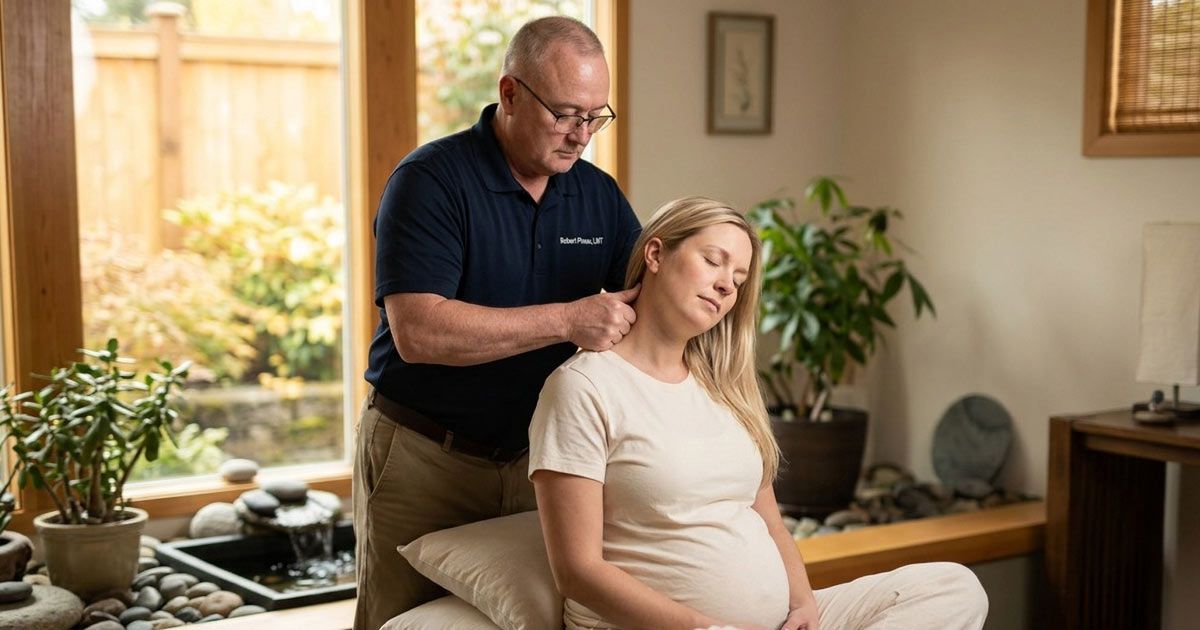
The Health Benefits of Therapeutic Massage for Everyday Function and Comfort by Massage Therapist Robert Pineau. Serving Patients with In‑Home Sessions or Treatments at My Massage Therapy Practice in Ronkonkoma, Suffolk County
Many people today live with a constant mix of stress, long work hours, and the physical strain that comes from sitting, driving, or staying “on” all day. It’s common to feel worn down, unfocused, or tense without realizing how much the body has been absorbing over time. Patients often describe feeling like their shoulders never drop, their breathing never fully settles, or their mind never gets a chance to slow down.
That’s why so many turn to massage therapy—not just for comfort, but because they want their body to function better in everyday life. When muscles stay tight or overworked, it affects sleep, energy, posture, and even mood. Patients often notice that they move, breathe, and handle stress differently when their bodies are supported rather than constantly compensating. Massage helps reset these patterns by improving circulation, easing tension, and giving the nervous system a chance to recalibrate.
Patients appreciate that Robert Pineau, LMT, approaches wellness with a clinical understanding of how the body responds to modern demands. His one‑thousand‑hour New York State-approved massage therapy education at New York College of Health Professions places him among the top one percent of massage therapists in terms of clinical preparation. His background in medical massage, neurology, pathology, kinesiology, and hands‑on clinical internships enables him to understand how stress, posture, and daily habits shape how the body feels.
This level of training helps him identify what the body is struggling with and choose techniques that support healthier movement and a calmer internal state. Patients often say they feel clearer, lighter, and more capable after working with him—because the care they receive isn’t just relaxing, it helps them function better in their daily lives.
Types of Massage Patients Commonly Seek Support For
Massage therapy can address a wide range of wellness concerns by helping the body manage stress, improve circulation, and function more comfortably throughout daily life. Patients often come to Robert Pineau, LMT, for support with issues affecting their sleep, energy, posture, and overall sense of balance, and he tailors each session to the specific patterns their bodies are struggling with.

Therapeutic Massage for Anxiety
Anxiety can create a constant sense of tension in the body, often showing up as restlessness, tight muscles, difficulty focusing, or a feeling of being “on edge.” Many clients describe racing thoughts, disrupted sleep, or a persistent sense of unease that makes it harder to stay grounded throughout the day. These patterns can gradually affect energy levels, mood, and overall quality of life.
Massage therapy for anxiety focuses on calming the nervous system and easing the muscular tension that builds during periods of prolonged stress. Slow, intentional pressure encourages the body to shift out of a heightened state and into a more relaxed rhythm. Robert begins by identifying where tension is most concentrated and how the client’s breathing patterns may be contributing to discomfort.
Gentle, controlled techniques are used to support relaxation without overwhelming sensitive areas. Depending on the client’s needs, Robert may incorporate:
- Swedish Massage to promote general relaxation and help quiet the body’s stress response.
- Myofascial Release may be used to soften tight connective tissue that restricts natural movement and contributes to physical tension.
- Trigger Point Therapy can help reduce localized knots that often develop during periods of emotional strain.
As sessions build on each other, many people find it easier to unwind and return to a more balanced state throughout the day. This gradual shift often supports a calmer baseline that feels more sustainable over time.

Therapeutic Massage for Balance
Balance issues often develop when the body struggles to coordinate movement, maintain stability, or adapt to changes in position. Many clients notice unsteadiness during daily activities, increased muscle tension from over‑compensating, or a general sense of instability that makes movement feel less secure. These challenges can gradually affect confidence, mobility, and overall comfort throughout the day.
Massage therapy for balance concerns focuses on easing muscular restrictions that interfere with smooth, coordinated movement. Gentle work around the hips, spine, and feet can help the body move more freely and respond more naturally to shifts in weight. Robert begins by assessing which areas are overworking to maintain stability and identifying patterns that may be contributing to imbalance.
Controlled, supportive techniques are used to encourage better alignment and reduce unnecessary strain. Depending on the client’s needs, Robert may incorporate:
- Neuromuscular Therapy to address specific tension patterns that disrupt coordinated movement.
- Myofascial Release may be used to free restricted connective tissue that limits natural balance responses.
- Craniosacral Therapy can help calm the nervous system and support smoother sensory processing related to stability.
As the body adapts to consistent care, many people find it easier to move with confidence and maintain steadier control during everyday activities. This gradual improvement often supports a more comfortable and reliable sense of balance over time.

Therapeutic Massage for Circulation
Circulation issues can create a heavy, sluggish feeling in the body, often showing up as cold hands or feet, swelling, or fatigue that lingers throughout the day. Many clients notice that certain areas feel tight or slow to warm up, especially after long periods of sitting or standing. These patterns can gradually affect comfort, mobility, and overall physical energy.
Massage therapy for circulation focuses on encouraging smoother blood and lymph flow throughout the body. Gentle, rhythmic pressure helps tissues receive the nutrients and oxygen they need while supporting the body’s natural ability to move fluid. Robert begins by identifying areas where tension or postural habits may be restricting healthy circulation.
Controlled techniques are used to promote ease, reduce stagnation, and support a more balanced flow. Depending on the client’s needs, Robert may incorporate:
- Manual Lymphatic Drainage to encourage gentle fluid movement and reduce areas of swelling or heaviness.
- Swedish Massage may be used to promote overall relaxation and support more efficient blood flow.
- Myofascial Release can help free restricted tissue that limits natural circulation patterns.
As circulation improves through consistent care, many people notice a lighter, more energized feeling throughout their body. This gradual shift often supports greater comfort and ease during everyday activities.

Therapeutic Massage for Depression
Depression can create a heavy, drained feeling in the body, often showing up as low energy, muscle tension, or a sense of disconnection from daily routines. Many clients describe feeling physically weighed down or emotionally flat, making it harder to stay engaged or motivated. These patterns can gradually affect sleep, focus, and overall quality of life.
Massage therapy for depression focuses on easing the physical tension that builds during periods of emotional strain. Gentle, steady pressure encourages the body to shift into a calmer state and reconnect with a sense of grounding. Robert begins by identifying areas where stress is held most intensely and observing how breathing patterns may be contributing to discomfort.
Controlled techniques are used to promote relaxation, support emotional balance, and create a safe space for the body to unwind. Depending on the client’s needs, Robert may incorporate:
- Positional Release Therapy to soften guarded muscles by placing the body in positions that naturally reduce strain.
- Craniosacral Therapy may be used to calm the nervous system and support a quieter internal rhythm.
- Swedish Massage can promote broad relaxation and gently lift overall mood.
As the body responds to consistent care, many people notice a gradual return of ease and a more grounded emotional baseline. This steady shift often supports a greater sense of comfort and connection throughout daily life.

Therapeutic Massage for GERD
GERD often creates a burning or pressured sensation in the chest or throat, especially after meals or when lying down. Many clients notice tightness through the diaphragm, upper abdomen, or chest that makes breathing feel shallow or restricted. These patterns can gradually affect comfort, sleep quality, and overall ease during daily activities.
Massage therapy for GERD support focuses on easing the muscular tension that contributes to pressure around the diaphragm and upper digestive region. Gentle work around the rib cage and upper abdomen can help the body breathe more freely and reduce the sense of tightness that often accompanies reflux. Robert begins by assessing postural habits, breathing patterns, and areas of restriction that may be influencing digestive discomfort.
Controlled techniques are used to support relaxation, encourage smoother movement through the upper body, and reduce strain that can aggravate symptoms. Depending on the client’s needs, Robert may incorporate:
- Myofascial Release to soften restricted tissue around the rib cage and diaphragm that may limit natural expansion.
- Manual Lymphatic Drainage may be used to reduce congestion and support the gentle movement of fluid through the upper torso.
- Positional Release Therapy can help ease guarded muscles that contribute to pressure around the digestive region.
As the body responds to consistent care, many people notice easier breathing and a calmer sense of comfort through the upper abdomen and chest. This gradual improvement often supports a more relaxed baseline that feels easier to maintain throughout the day.

Therapeutic Massage for Hypertension
Hypertension often develops quietly, increasing pressure within the cardiovascular system and leading to tension throughout the body. Many clients notice tightness in the neck, shoulders, or upper back, along with stress‑related symptoms that make it harder to unwind. These patterns can gradually affect energy levels, sleep quality, and overall physical comfort.
Massage therapy for hypertension support focuses on calming the nervous system and easing the muscular tension that contributes to elevated stress levels. Gentle, steady pressure encourages the body to shift into a more relaxed state, which may help reduce the physical strain associated with high blood pressure. Robert begins by identifying areas where stress is most intense and observing how posture or breathing patterns may be contributing to discomfort.
Controlled techniques are used to promote relaxation, support smoother circulation, and help the body settle more naturally. Depending on the client’s needs, Robert may incorporate:
- Craniosacral Therapy to encourage a quieter nervous system response and reduce overall tension.
- Swedish Massage may be used to promote broad relaxation and support a calmer physical baseline.
- Myofascial Release can help ease restricted tissue that contributes to stress‑related tightness.
As the body adapts to consistent care, many people notice a greater sense of ease and a more balanced physical rhythm throughout the day. This gradual shift often supports a calmer, more comfortable foundation for daily life.

Therapeutic Massage for Immune Deficiency
Immune deficiencies can leave the body feeling run-down, reactive, or slow to recover from everyday stressors. Many clients notice frequent colds, lingering fatigue, or inflammation that seems to flare without a clear cause. These patterns are often influenced by chronic stress, nutritional factors, or autoimmune activity that places additional strain on the immune system.
Massage therapy for immune deficiency support focuses on easing tension, improving circulation, and helping the body settle into a calmer, more restorative state. Gentle, supportive techniques encourage smoother fluid movement and reduce the physical strain that can make immune challenges feel more pronounced. Robert begins by identifying areas where stress is most intense and observing how posture or breathing patterns may contribute to discomfort, especially when autoimmune activity heightens sensitivity.
Controlled techniques are used to promote relaxation, support lymphatic flow, and help the body maintain a more balanced internal rhythm. Depending on the client’s needs, Robert may incorporate:
- Shiatsu Massage to encourage balanced energy flow and reduce stress‑related tension that can impact immune resilience.
- Total Body Balancing may be used to support overall structural harmony and promote a calmer internal environment.
- Visceral Manipulation can help ease restrictions around the organs that influence immune and digestive function.
As the body responds to consistent care, many people notice steadier energy and a more resilient sense of comfort throughout the day. This gradual improvement often supports a calmer, more balanced foundation for overall well‑being.

Therapeutic Massage for Insomnia
Insomnia can make it difficult for the body to settle, often creating cycles of restlessness, tension, and disrupted sleep patterns. Many clients notice tightness in the neck, jaw, or upper back that makes it harder to unwind at night. Over time, these patterns can affect energy levels, mood, and overall daily functioning.
Massage therapy for insomnia support focuses on calming the nervous system and easing the physical tension that interferes with restful sleep. Gentle, steady techniques help the body shift out of a heightened state and into a more relaxed rhythm. Robert begins by identifying areas where stress is most intense and observing how breathing patterns or postural habits may contribute to nighttime discomfort.
Controlled techniques are used to promote relaxation, support deeper breathing, and help the body settle more naturally. Depending on the client’s needs, Robert may incorporate:
- Aromatherapy Massage to encourage a calmer sensory environment and support the body’s natural relaxation response.
- CranioSacral Massage may be used to quiet the nervous system and ease subtle tension that disrupts sleep.
- Positional Release Massage can help soften guarded muscles that make it difficult for the body to rest fully.
As the body adapts to consistent care, many people notice smoother transitions into sleep and a more settled feeling throughout the night. This gradual shift often supports a more restorative and balanced sleep routine.

Therapeutic Massage for Posture Support
Poor posture can create tension throughout the neck, shoulders, and lower back, often making daily movement feel strained or uneven. Many clients notice stiffness, fatigue, or a sense of compression that builds gradually over time. These patterns can affect breathing, mobility, and overall comfort during routine activities.
Massage therapy for posture support focuses on easing the muscular imbalances and restrictions that contribute to misalignment. Gentle, targeted techniques help the body release tension that pulls joints out of their natural position. Robert begins by observing postural habits, movement patterns, and areas where the body is compensating for long‑term strain.
Controlled techniques are used to improve mobility, support balanced alignment, and help the body move with greater ease. Depending on the client’s needs, Robert may incorporate:
- Orthopedic Assessment and Corrective Techniques to identify structural imbalances and guide targeted corrective work.
- Structural Alignment and Postural Correction may be used to restore more efficient positioning throughout the spine and joints.
- Sports Massage can help reduce muscular tightness that contributes to uneven movement and postural fatigue.
As the body adapts to consistent care, many people notice smoother movement and a more natural sense of alignment throughout the day. This gradual improvement often supports greater comfort and ease during everyday activities.
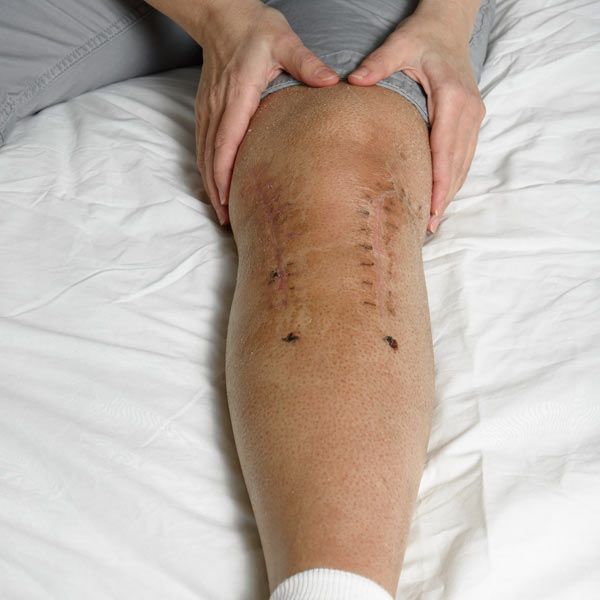
Therapeutic Massage for Post‑Surgery Support
Post‑surgery recovery often brings swelling, stiffness, and protective tension as the body works to heal. Many clients notice discomfort around the surgical site, along with limited mobility or difficulty returning to normal routines. These patterns are common after procedures such as cosmetic surgery, orthopedic surgery, abdominal surgery, joint replacement, or soft‑tissue repair.
Massage therapy for post‑surgery support focuses on easing tension, reducing swelling, and helping the body move more comfortably during the healing process. Gentle, targeted techniques encourage smoother fluid movement and reduce the strain that often develops as the body compensates for pain or limited mobility. Robert begins by observing posture, movement patterns, and areas where the body is guarding or overworking.
Controlled techniques are used to support lymphatic flow, improve comfort, and help the body transition more easily through each stage of recovery. Depending on the client’s needs, Robert may incorporate:
- Lymphatic Drainage to encourage gentle fluid movement and reduce swelling around the affected area.
- Tui‑na Massage may be used to support circulation and ease tension that develops during restricted movement.
- Integrated Manual Therapy can help restore mobility and reduce compensatory strain in surrounding tissues.
As the body responds to consistent care, many people notice improved comfort, reduced swelling, and smoother movement during daily activities. This gradual progress often supports a more confident and steady return to normal routines.
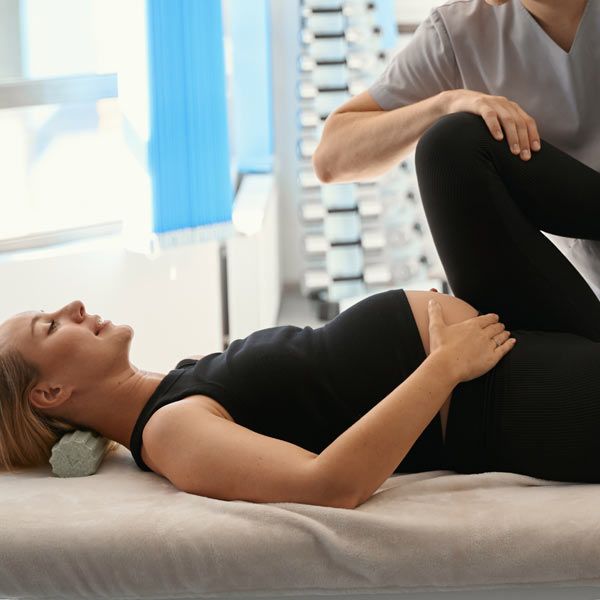
Therapeutic Massage for Prenatal Support
Pregnancy places unique demands on the body, often creating tension through the lower back, hips, and legs as posture shifts and weight distribution change. Many expecting mothers experience discomfort when sleeping, standing, or moving during daily activities. These patterns can gradually affect mobility, energy levels, and overall physical comfort throughout each trimester.
Massage therapy for prenatal support focuses on easing muscular tension, improving circulation, and helping the body adapt more comfortably to the physical changes of pregnancy. Gentle, supportive techniques encourage relaxation and reduce strain in areas that work harder as the body grows. Robert begins by observing posture, breathing patterns, and areas where the body compensates for added weight or shifts in alignment.
Controlled techniques are used to promote comfort, support mobility, and help the body settle into a calmer, more balanced state. Depending on the client’s needs, Robert may incorporate:
- Ayurvedic Massage to encourage grounding, relaxation, and gentle support for the body’s changing rhythms.
- Acupressure Massage may be used to ease tension and support overall comfort without deep pressure.
- Total Body Balancing can help restore ease through the hips, pelvis, and low back as posture shifts during pregnancy.
As the body responds to consistent care, many expecting mothers notice smoother movement and greater comfort throughout daily activities. This steady support often helps create a calmer, more balanced experience during pregnancy.
Learn more about Prenatal Massage Therapy.
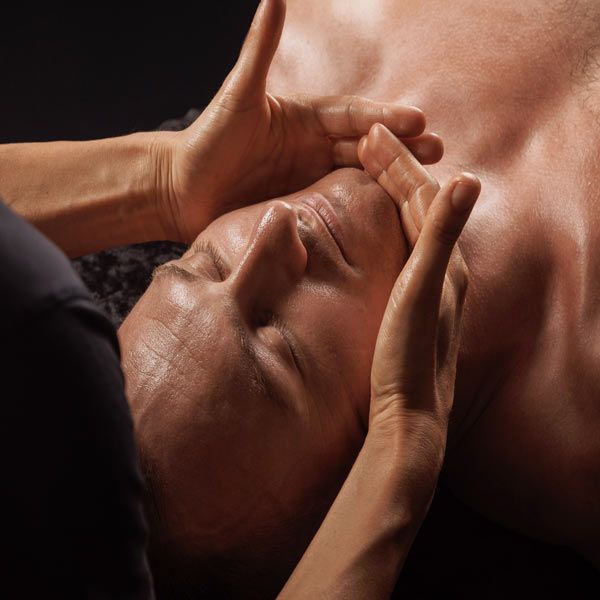
Therapeutic Massage for Relaxation
Chronic stress can create a constant sense of tension throughout the body, making it difficult to unwind or feel fully at ease. Many clients notice tightness in the neck, shoulders, or back that builds gradually over time. These patterns can affect sleep, mood, and overall comfort during daily activities.
Massage therapy for relaxation support focuses on calming the nervous system and easing the muscular tension that accumulates during periods of stress. Gentle, flowing techniques help the body shift out of a heightened state and into a more restful rhythm. Robert begins by identifying areas where stress is held most intensely and observing how breathing patterns or posture may be contributing to discomfort.
Controlled techniques are used to promote relaxation, support smoother movement, and help the body settle more naturally. Depending on the client’s needs, Robert may incorporate:
- CranioSacral Massage to quiet the nervous system and reduce subtle tension patterns associated with chronic stress.
- Neuromuscular Therapy may be used to release deeper muscular holding that contributes to stress‑related discomfort.
- Positional Release Massage can help soften guarded muscles and encourage a calmer, more settled physical state.
As the body responds to consistent care, many people notice a greater sense of ease and a more settled feeling throughout the day. This gradual shift often supports a calmer, more balanced foundation for daily life.

Therapeutic Massage for Stress Relief
Stress can create persistent tension throughout the body, often showing up as tightness in the neck, shoulders, jaw, or lower back. Many clients notice difficulty relaxing, disrupted sleep, or a sense of being constantly “on edge.” Over time, these patterns can affect mood, energy levels, and overall physical comfort during daily activities.
Massage therapy for stress relief focuses on calming the nervous system and easing the muscular tension that builds during periods of prolonged stress. Gentle, steady techniques help the body shift out of a heightened state and into a more relaxed rhythm. Robert begins by identifying areas where stress is held most intensely and observing how breathing patterns or posture may be contributing to discomfort.
Controlled techniques are used to promote relaxation, support smoother movement, and help the body settle more naturally. Depending on the client’s needs, Robert may incorporate:
- Aromatherapy Massage to create a soothing sensory environment that encourages deeper relaxation.
- Asian Massage may be used to support balanced energy flow and reduce stress‑related tension.
- Amatsu Massage can help ease subtle restrictions and promote a calmer, more grounded physical state.
As the body responds to consistent care, many people notice a greater sense of ease and a more settled feeling throughout the day. This gradual shift often supports a calmer, more balanced foundation for daily life.
What Can Happen When Wellness Concerns Are Not Addressed
When everyday tension, stress, or poor movement habits go unaddressed, the body gradually adapts in ways that can create bigger issues over time. Many patients begin to notice stiffness, disrupted sleep, or a sense of constant fatigue that becomes harder to shake. As these patterns build, the body may feel less resilient, making daily routines more draining and increasing the risk of developing more persistent discomfort.
Chronic tightness and stress can also affect posture, breathing, and circulation, placing additional strain on areas already working too hard. When the body stays in a heightened state for too long, it often develops compensatory habits that limit mobility and reduce overall energy. These changes can affect mood, focus, and the ability to recover from daily demands. Some patients find that what starts as mild tension can gradually affect their long‑term well‑being if it isn’t addressed early.
Massage therapy helps interrupt these patterns before they progress, supporting healthier movement, calmer nervous system function, and a more balanced internal state. Early care allows the body to reset more easily and reduces the likelihood of developing chronic issues. Many patients find that consistent support leads to better sleep, improved energy, and a stronger foundation for long‑term health.
Why Patients Choose Robert Pineau, LMT, for Massage Therapy
Patients choose Robert Pineau for wellness‑focused massage therapy because he understands how modern stress, long work hours, and daily physical demands affect the body. His advanced clinical training places him among the top one percent of massage therapists, giving him a level of anatomical insight that allows him to recognize patterns many people don’t realize they’ve developed. Patients appreciate that he evaluates posture, breathing, and movement before beginning any session, ensuring the work is tailored to their bodies’ actual needs rather than relying on a generic routine.
Many people come to him after feeling stuck in cycles of tension, fatigue, or disrupted sleep and discover that his methodical, hands‑on approach helps their body function more comfortably. He listens closely to each patient’s concerns and daily habits to understand how stress and lifestyle are influencing their well‑being. His treatments are steady, intentional, and designed to support the nervous system while easing the physical strain that builds over time. Patients value the calm, grounded environment he creates, which allows the body to settle, release tension, and reset.
His advanced training in modalities such as Visceral Manipulation and Structural Alignment allows him to address deeper patterns that influence long‑term wellness. He focuses on restoring balance throughout the body so movement feels smoother and more natural. Many patients report better sleep, improved energy, and a renewed sense of clarity in their daily routines. Overall, they chose Robert because he combines exceptional clinical skill with a patient‑centered approach that supports both immediate comfort and long‑term well‑being.
FAQs for Massage Therapy
- How can massage therapy support long‑term wellness? - Massage helps regulate the nervous system, improve circulation, and reduce the physical strain caused by stress, posture, and daily routines. Over time, this supports better sleep, energy, mobility, and overall resilience.
- How often should I receive a massage for general wellness? - Most patients benefit from sessions every 2–4 weeks to maintain balance and prevent tension from building. Robert adjusts frequency based on lifestyle, stress levels, and the body's response.
- Can massage help prevent more serious issues from developing? - Yes — addressing tension early helps reduce the risk of chronic tightness, postural strain, sleep disruption, and stress‑related discomfort. Regular care supports healthier movement patterns before problems escalate.
- What makes Robert’s approach different from a typical relaxation massage? - Robert evaluates posture, breathing, and movement to understand what the body is struggling with, then tailors each session to support long‑term function. His clinical training allows him to address deeper patterns that influence overall well‑being.
- Is massage safe during pregnancy? - Yes — when performed by a trained professional. Robert uses specialized prenatal techniques that support comfort, circulation, and relaxation while prioritizing safety at every stage of pregnancy.

Contact Robert Pineau, LMT, to Learn How Massage Therapy Can Support Your Overall Wellness with Treatment in Your Home or in Ronkonkoma, Suffolk County
Taking care of your body before tension becomes a bigger issue is one of the most effective ways to protect your long‑term well‑being. When you give your body the support it needs, you move through your day with more ease, clarity, and confidence. Therapeutic massage is a simple, proactive step that helps you stay balanced, resilient, and better equipped for the demands of modern life.
If you’re ready to feel more grounded, sleep more deeply, and move with less strain, Robert Pineau, LMT, is here to help. Schedule a session today and experience how personalized, clinically informed massage therapy can support your overall wellness and long‑term health.
Please contact us today.
Additional References
- Massage Therapy: What You Need to Know - National Center for Complementary and Integrative Health